

Why Should Homeowners Consider a Residential Modular House?
2026-01-08
Summary: Residential modular houses have become a transformative solution in modern construction. This article explores their advantages, applications, technical specifications, and answers common questions to help homeowners and developers make informed decisions.
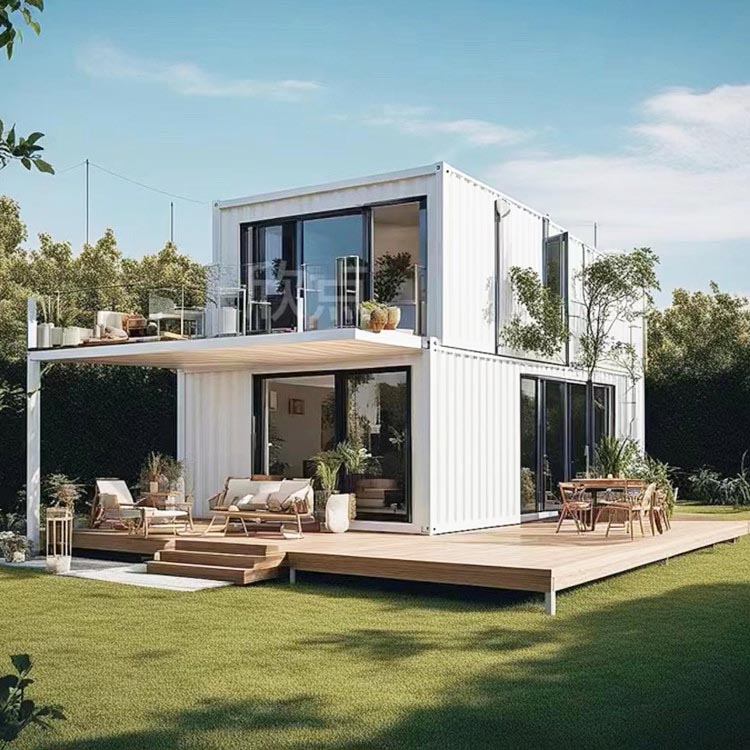
Table of Contents
- Overview of Residential Modular Houses
- Key Advantages
- Types and Applications
- Technical Specifications
- Cost Considerations
- Frequently Asked Questions
- Conclusion
Overview of Residential Modular Houses
Residential modular houses represent a paradigm shift from traditional construction methods. They are prefabricated in controlled factory environments, allowing precise quality control, reduced construction time, and minimal environmental impact. Cymdin, a leading manufacturer, has pioneered modular solutions that combine efficiency, sustainability, and aesthetic versatility.
- Prefabrication ensures consistent quality and structural integrity.
- Modular units can be transported easily and assembled on-site quickly.
- Eco-friendly materials reduce carbon footprint and waste.
Key Advantages
Residential modular houses address common pain points in construction and homeownership:
| Advantage | Description |
|---|---|
| Reduced Construction Time | Assembly in factories allows a construction period up to 60% faster than conventional methods. |
| Cost Efficiency | Factory production reduces labor costs and material waste, offering a more predictable budget. |
| Durability | Designed to withstand earthquakes, fire, and extreme weather conditions. |
| Flexibility | Modules can be expanded, reconfigured, or relocated as needs change. |
| Eco-friendly | Zero-water construction and sustainable materials align with circular economy principles. |
Types and Applications
Modular houses offer diverse options depending on use cases and homeowner requirements:
- Single-Family Modular Homes: Compact or luxurious, suitable for residential neighborhoods.
- Multi-Unit Residential Buildings: Apartments or townhouses using repeated modular units for scalable development.
- Special-Purpose Structures: Holiday homes, office cabins, or temporary housing solutions.
- Mobile Modular Units: Homes on wheels for temporary or portable living needs.
Technical Specifications
Understanding the specifications ensures the chosen modular home meets safety and comfort requirements.
| Parameter | Details |
|---|---|
| Construction Material | Light steel frame, eco-friendly panels, insulated walls and floors. |
| Dimensions | Customizable; typical modules are 3m x 6m or 3m x 12m. |
| Assembly Time | 2–4 weeks per unit depending on size and complexity. |
| Durability Features | Earthquake-resistant, fireproof, corrosion-resistant materials. |
| Energy Efficiency | Insulation, optional solar panels, and energy-efficient windows. |
Cost Considerations
While costs vary by location, size, and customization, modular homes typically offer:
- Lower upfront labor costs: Factory-controlled processes reduce on-site labor requirements.
- Predictable budgeting: Reduced material waste and standardized production streamline costs.
- Long-term savings: Energy-efficient materials and shorter construction timelines lower overall expenses.
Frequently Asked Questions
Q1: How long does it take to assemble a residential modular house?
A: Depending on the complexity, a typical modular house can be assembled on-site within 2–4 weeks, significantly faster than traditional construction.
Q2: Are modular houses durable against natural disasters?
A: Yes. Modular homes are engineered to resist earthquakes, fires, and harsh weather using reinforced frames and high-quality materials.
Q3: Can modular houses be customized?
A: Absolutely. Modular units can be adapted in size, layout, interior finishes, and functionality to meet individual homeowner needs.
Q4: Are these houses environmentally friendly?
A: Modular construction reduces waste, minimizes water usage during assembly, and uses eco-friendly materials, making them sustainable and green.
Conclusion
Residential modular houses offer an innovative solution to traditional construction challenges, providing speed, flexibility, cost-efficiency, and sustainability. Cymdin continues to lead in providing high-quality modular solutions that meet diverse homeowner needs. Whether for permanent living, vacation homes, or mobile solutions, modular housing provides a modern, reliable, and environmentally conscious choice.
To explore customized solutions for your next project, contact us today and discover how Cymdin can deliver modular homes that perfectly match your requirements.