

Why Is My Double Layer Outdoor Kitchen Cabinet Rusting After One Season
2026-09-03
Investing in a Double Layer Outdoor Kitchen Cabinet is a major decision for any serious home chef or entertainer. When that investment shows signs of rust within just one season, frustration is natural. At Olifurniture, we have analyzed hundreds of outdoor kitchen setups and found that premature rusting is rarely a manufacturing defect—it is almost always an environmental or maintenance issue. Understanding the root causes will save you money and extend the life of your cabinetry far beyond a single summer.
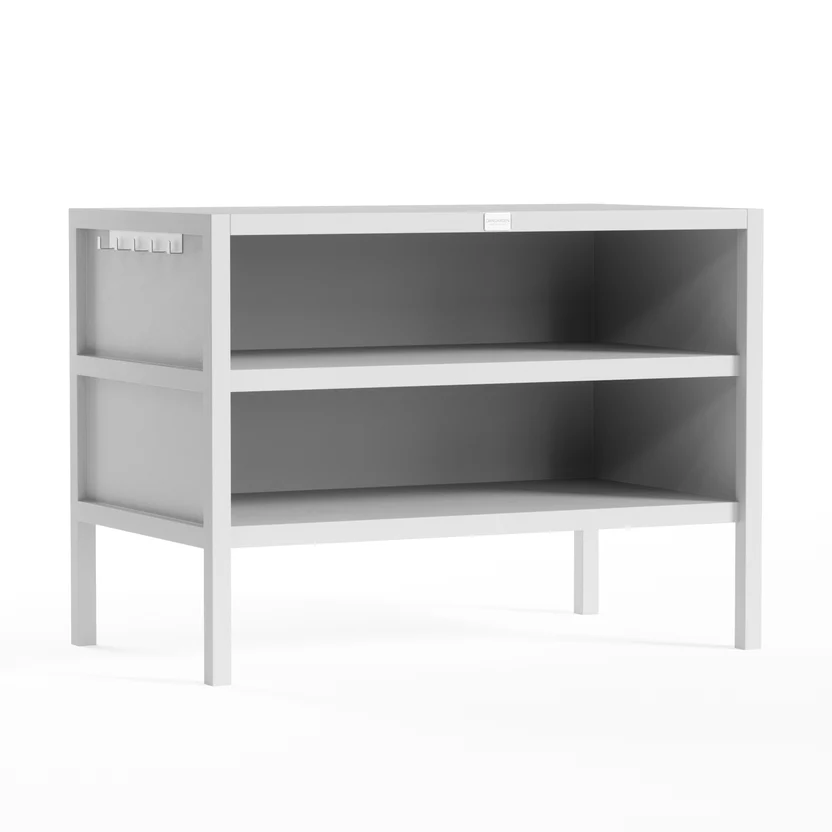
The Science of Rust on Outdoor Cabinets
Rust forms when iron-based metals react with oxygen and moisture over time. However, a Double Layer Outdoor Kitchen Cabinet is designed with two protective barriers: an outer layer for aesthetics and an inner layer for structural support. When either layer is compromised, corrosion accelerates rapidly. Below is a breakdown of the most common culprits:
| Cause of Rust | Why It Happens | Prevention Strategy |
|---|---|---|
| Scratches in the coating | Utensils, abrasive cleaners, or accidental impacts remove the protective film. | Use soft cloths and non-abrasive cleaners; apply touch-up paint immediately. |
| Salt air exposure | Coastal climates carry microscopic salt particles that eat through stainless steel faster than fresh water. | Rinse cabinets weekly with fresh water; apply a marine-grade wax sealant. |
| Trapped moisture | Double-layer designs can trap condensation between the inner and outer walls if ventilation is poor. | Drill small drainage holes if not pre-installed; leave doors open during humid days. |
| Dissimilar metal contact | Copper, brass, or galvanized screws touch the cabinet surface, creating electrolytic reactions. | Replace all hardware with matching 304-grade stainless steel fasteners. |
| Acidic food spills | Tomato sauce, citrus juices, and marinades sit on the surface for hours without rinsing. | Clean spills within 10 minutes; use a pH-neutral cleaner daily. |
Why Your Specific Cabinet May Be Failing
Many homeowners assume that all stainless steel is rust-proof. This is a myth. The grade of steel used in your Double Layer Outdoor Kitchen Cabinet matters enormously. Olifurniture exclusively uses 304 stainless steel (18/8 chromium-nickel) for exterior layers and 430-grade for interior reinforcement. If your cabinet is 201-grade or lower, it will show orange staining within months. Additionally, the welding process matters—poorly ground welds create microscopic crevices where moisture pools and rust begins. Inspect your cabinet’s corners and joints; if you see dark spots or pitting, that is where corrosion started.
Another overlooked factor is the countertop material. Granite and concrete retain water and release it slowly onto the cabinet frame beneath. Without a proper silicone barrier between the countertop and your Double Layer Outdoor Kitchen Cabinet, that constant dampness will eat through even premium coatings.
The Maintenance Routine That Works
Professionals follow a three-step weekly ritual to keep outdoor cabinets pristine:
-
Wipe – Use a microfiber cloth with warm water and mild dish soap. Never use steel wool or chlorine bleach.
-
Dry – Always hand-dry with a clean towel. Air-drying leaves mineral deposits that act as corrosion catalysts.
-
Protect – Apply a thin layer of stainless steel polish or mineral oil every two weeks to create a hydrophobic shield.
For Olifurniture owners, we also recommend a seasonal deep-clean using citric acid powder (diluted 1:10 with water) to remove free iron particles that settle from nearby construction or lawn fertilizers.
Frequently Asked Questions About Double Layer Outdoor Kitchen Cabinet Rust Issues
Q1: Can I just paint over the rust on my Double Layer Outdoor Kitchen Cabinet to stop it from spreading?
A1: Painting over rust without proper preparation will trap moisture underneath, causing the rust to spread faster. You must first remove all existing rust using a wire brush or sandpaper until you see bare, shiny metal. Then apply a rust-inhibitive primer specifically formulated for outdoor metal surfaces, followed by a high-temperature enamel paint. However, for a Double Layer Outdoor Kitchen Cabinet, painting the exterior layer is only a temporary fix—you also need to treat the inner layer’s ventilation points. Olifurniture advises that if rust has penetrated through to the inner structural wall, replacement panels are safer than repainting.
Q2: How do I know if the rust is only surface-level or structural damage inside my Double Layer Outdoor Kitchen Cabinet?
A2: Surface rust appears as small orange or brown speckles that can be wiped off with a rust-remover cream. Structural rust shows as bubbling under the coating, flaking metal, or visible holes. For a Double Layer Outdoor Kitchen Cabinet, press firmly on the inner floor panel—if it feels spongy or flexes more than 2mm, the inner support layer has oxidized. You can also use a magnet: 304 stainless steel is weakly magnetic, but if the magnet sticks very strongly, the material is lower-grade ferritic steel that rusts quickly. Olifurniture offers a free rust-inspection guide for all our customers, and we recommend an annual professional check-up for cabinets in coastal zones.
Q3: Does covering my Double Layer Outdoor Kitchen Cabinet with a vinyl cover prevent rust or make it worse?
A3: This is a common misconception. A non-breathable vinyl cover traps condensation from temperature changes between day and night, creating a mini-greenhouse effect inside the cabinet. This accelerates rust significantly faster than leaving the cabinet uncovered in light rain. For a Double Layer Outdoor Kitchen Cabinet, the best protection is a breathable canvas cover with side vents, or no cover at all if the cabinet is installed under a pergola or awning. If you must use a cover, remove it every morning and allow the cabinet to air out for at least two hours. Olifurniture designs our cabinets with built-in air circulation channels, so we only recommend covers during extreme snow or hail events—never during humid summer months.
When to Call a Professional
If you have followed all prevention steps and still see rust spreading after 30 days, the issue may be in the manufacturing tolerances. Weld seams, corner joints, and handle mounts are the weakest points. A professional fabricator can re-weld and passivate the steel (a chemical process that restores the chromium oxide layer). Olifurniture provides a 5-year rust-resistance warranty on all our Double Layer Outdoor Kitchen Cabinet units, which includes free passivation treatment within the first two years of purchase.
Final Verdict
Rust after one season is not inevitable—it is a signal. It tells you that moisture, cleaning habits, or material grade needs immediate attention. By switching to professional-grade 304 steel, improving daily drying routines, and inspecting welds regularly, your cabinet can last 15–20 years without orange stains. Remember that a Double Layer Outdoor Kitchen Cabinet is a long-term asset, not a disposable appliance.
Contact Olifurniture today for a personalized rust-prevention consultation. Our team will evaluate your climate, installation setup, and cooking habits to recommend the ideal maintenance schedule for your specific model. Email us or call our hotline to schedule a video inspection—we will send you a free care kit with every first consultation. Protect your investment and cook with confidence for decades to come.