

Why Is a Separate Screen Becoming the Smarter Choice for Modern Spaces?
2026-02-03
When I first started working closely with architectural metal solutions, I noticed a recurring question from designers and project owners alike: how can we divide space without making it feel closed or temporary? It was during this process that Foshan Nante Metal Products Co., Ltd. gradually entered my field of vision. Through real projects and long-term observation, I found that a well-designed Separate Screen is no longer just a decorative element, but a functional solution that balances structure, aesthetics, and flexibility.
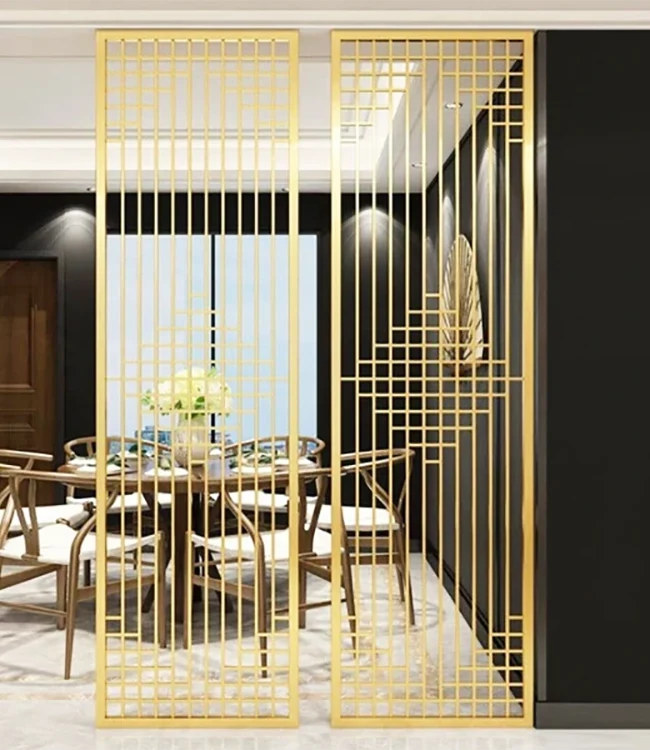
What Problems Does a Separate Screen Actually Solve in Daily Use?
From offices to hotels and residential interiors, space division is often a compromise. Fixed walls reduce flexibility, while soft partitions lack durability. In my experience, a Separate Screen directly addresses several common pain points that clients often struggle with.
- It creates visual separation without blocking light or airflow.
- It allows spaces to be redefined without permanent construction.
- It improves privacy while maintaining an open, modern feel.
- It integrates seamlessly with metal, glass, or wood-based interiors.
These advantages explain why more projects are shifting away from traditional walls toward Separate Screen solutions that are both practical and visually refined.
How Does a Separate Screen Enhance Design Without Overpowering the Space?
One concern I often hear is whether a divider will dominate the room. The answer depends entirely on design and material choice. A thoughtfully engineered Separate Screen enhances the space rather than competes with it.
What stands out to me is how metal-based screens can introduce rhythm and structure while remaining visually light. Patterns, spacing, and surface finishes all contribute to a balanced result that feels intentional instead of intrusive.
| Design Element | Practical Benefit | User Experience Impact |
|---|---|---|
| Open-pattern metal panels | Maintains light penetration | Brighter, more comfortable interiors |
| Modular structure | Easy installation and adjustment | Flexible space planning |
| Durable surface finishes | Resists wear and corrosion | Long-term visual consistency |
Why Is a Metal Separate Screen More Reliable Than Other Partition Options?
After comparing multiple materials across different projects, I have seen clear differences in long-term performance. Fabric or lightweight panels may look appealing at first, but they often fall short in durability. A metal Separate Screen, by contrast, offers structural stability without sacrificing elegance.
What I value most is consistency. Once installed, the screen retains its shape, finish, and alignment even in high-traffic environments. This reliability reduces maintenance concerns and protects the original design intent.
How Can a Separate Screen Adapt to Different Commercial and Residential Needs?
Flexibility is one of the strongest arguments in favor of a Separate Screen. I have seen the same core structure adapted for offices, hospitality spaces, retail environments, and private homes, each time serving a different purpose.
- In offices, it subtly defines work zones without isolating teams.
- In hotels, it separates functional areas while preserving openness.
- In homes, it creates privacy without reducing natural light.
This adaptability makes the Separate Screen a long-term investment rather than a single-use feature.
What Should You Look for When Choosing a Separate Screen Supplier?
Not all screens are created equal, and I have learned that supplier experience matters as much as the product itself. Attention to material sourcing, manufacturing precision, and customization options can significantly influence the final outcome.
Working with manufacturers that understand both engineering and design ensures that the Separate Screen performs well in real-world conditions, not just in catalog images.
Is a Separate Screen the Right Solution for Your Next Project?
If you are looking for a way to divide space without committing to permanent walls, a Separate Screen is worth serious consideration. Based on what I have seen, it offers a rare balance of flexibility, durability, and visual appeal that aligns well with modern design expectations.
If you want to explore how a custom Separate Screen can work for your project, now is the right time to take the next step. Feel free to contact us to discuss your requirements, request details, or leave an inquiry. The right solution often starts with a simple conversation.