

Why Is a Centrifugal Clothes Dryer More Energy Efficient Than Thermal Dryers
2026-03-12
As households seek to reduce electricity bills and minimize environmental impact, the debate between drying technologies has intensified. A Centrifugal Clothes Dryer operates on a fundamentally different principle than traditional thermal dryers, making it a superior choice for energy-conscious consumers. SANDIE has engineered its drying solutions to maximize this efficiency, offering a smart alternative to heat-based appliances.
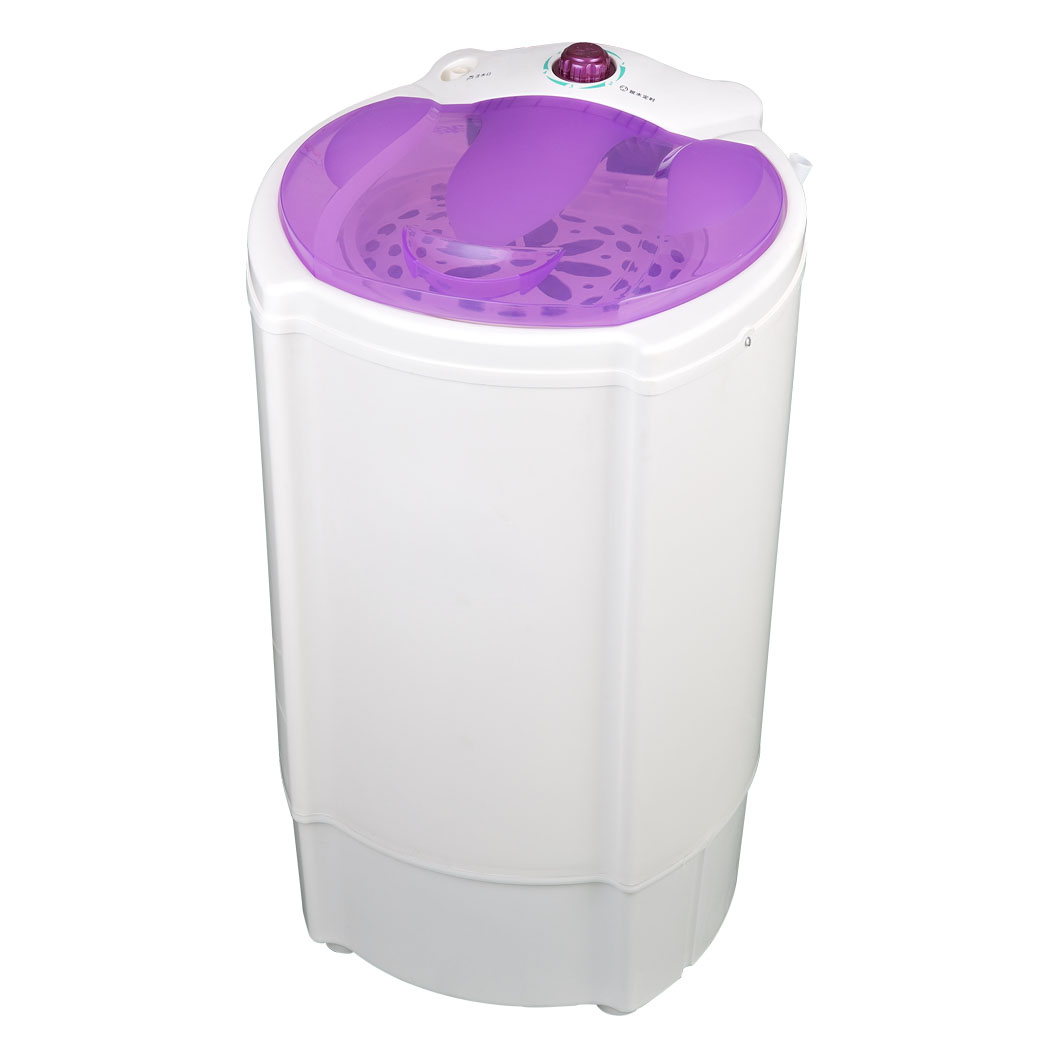
The Mechanical Advantage of Centrifugal Force
Thermal dryers use intense heat to evaporate water from fabric, a process that requires immense amounts of energy to generate and circulate hot air. In contrast, a Centrifugal Clothes Dryer utilizes high-speed rotation to physically extract water. By spinning at speeds exceeding 3000 RPM, the centrifugal force pushes water molecules out through the drum perforations, removing moisture without generating heat.
Energy Consumption Comparison
To illustrate the efficiency gap, consider the typical energy consumption of both technologies during a standard cycle:
| Feature | Centrifugal Dryer (SANDIE) | Traditional Thermal Dryer |
|---|---|---|
| Power Source | 100-200 Watts (Motor only) | 2000-5000 Watts (Heating element) |
| Cycle Time | 3-5 Minutes | 45-90 Minutes |
| Energy per Load | 0.01 - 0.02 kWh | 2.0 - 4.5 kWh |
| Heat Emission | None | High (heats the room) |
| Fabric Wear | Low (no heat damage) | High (heat weakens fibers) |
As the data shows, a Centrifugal Clothes Dryer consumes a fraction of the energy. Because it relies on kinetic energy rather than thermal energy, the operational cost per load is drastically reduced. This makes brands like SANDIE an essential investment for those serious about sustainable living.
Environmental and Practical Benefits
Beyond the immediate electricity savings, the absence of heat preserves fabric integrity, extending the lifespan of clothing and reducing textile waste. Furthermore, since the process generates no hot exhaust, it does not contribute to indoor heat buildup, reducing the load on air conditioning systems during warmer months.
Frequently Asked Questions
How does a Centrifugal Clothes Dryer remove water without heat?
A Centrifugal Clothes Dryer operates on the principle of inertia. When the drum spins at a very high velocity, the centrifugal force acts outward on the water molecules trapped in the fabric. This force is significantly stronger than gravity, pulling the water through the tiny gaps between the fibers and out through the drum's perforations. The water is then collected in a separate tank or drained away, leaving the clothes damp but not wet, and ready for line drying or immediate wear in some cases.
Is a spin dryer as effective as a thermal dryer at drying clothes?
While a Centrifugal Clothes Dryer does not make clothes "bone dry" like a thermal dryer, it is exceptionally effective at moisture extraction. It can remove up to 95% of the water content from a load. Thermal dryers then use heat to evaporate the remaining 5%, which requires vast amounts of energy. By using a spin dryer first, you can reduce thermal dryer usage by 90%, or simply hang the spin-dried clothes, which will air-dry in a fraction of the usual time without the risk of mildew.
Can a high-speed Centrifugal Clothes Dryer damage my clothes?
Actually, the opposite is often true. The primary cause of fabric wear in thermal dryers is not the tumbling action, but the combination of high heat and prolonged tumbling. Heat weakens elastic fibers and causes shrinkage. A Centrifugal Clothes Dryer like those from SANDIE operates at room temperature. While the spin is vigorous, it is short (usually under 5 minutes). This removes water gently without cooking the fibers, preserving the color, shape, and elasticity of garments much better than traditional heat-based methods.
Make the Switch to SANDIE
Understanding the mechanics behind your home appliances is the first step toward a more efficient lifestyle. If you are ready to reduce your energy footprint and treat your clothes with the care they deserve, explore the innovative range of SANDIE products today.
Contact Us to find the perfect Centrifugal Clothes Dryer for your home and start saving immediately.