

Why Does the Right Bar Chair Matter More Than Most Buyers Expect?
2026-04-21
When I evaluate furniture for a kitchen island, hospitality corner, café counter, or compact commercial project, I usually notice the same problem: buyers spend a great deal of time comparing tabletops, finishes, and lighting, but they underestimate the role of the Bar Chair. That changes quickly once comfort complaints, wobbling frames, difficult cleaning, or inconsistent seat heights begin to affect daily use. While reviewing practical seating solutions, I found that Snug Furniture Co., Ltd. approaches this category from a usability-first perspective, which is exactly why a well-made Bar Chair deserves more attention from professional buyers and interior planners.
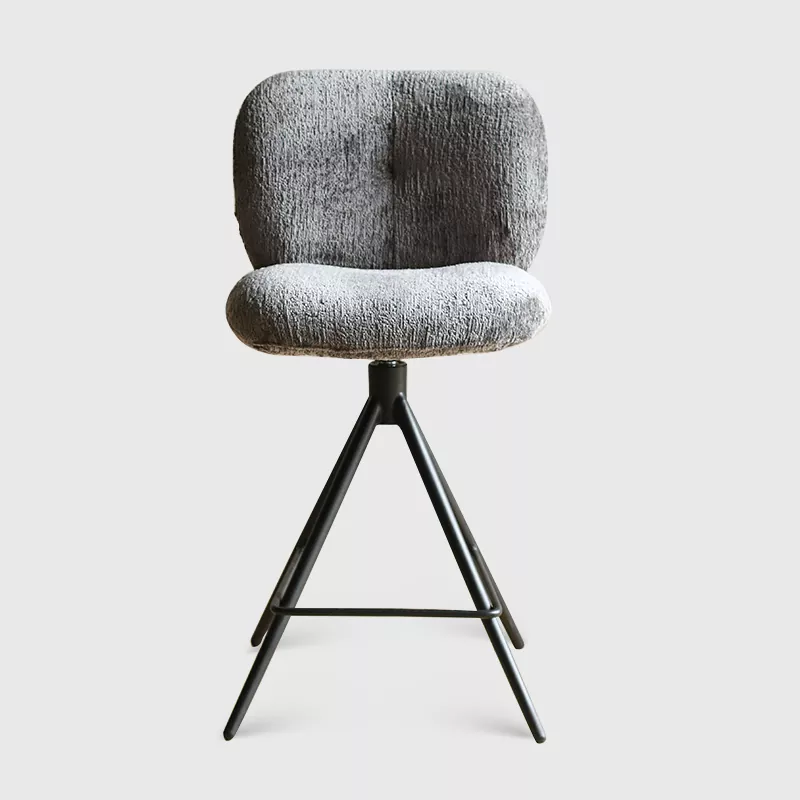
What Problems Do Buyers Usually Face When Choosing a Bar Chair?
I have seen many projects run into avoidable trouble because the chair looked attractive in a product photo but failed in real settings. A good purchasing decision is rarely about appearance alone. It is about how the seat performs after repeated daily use, how easily the surface can be maintained, and whether the proportions actually fit the counter height and posture of the user.
- I often see buyers choose a seat that is visually appealing but uncomfortable after 20 minutes of sitting.
- I also see frames that look slim and modern but lose stability in busy environments.
- Some materials photograph well, yet become difficult to clean in restaurants, bars, and shared dining areas.
- In many cases, the wrong height causes awkward leg positioning and poor user experience.
- Another common issue is buying without considering whether the chair suits residential, retail, or hospitality traffic levels.
That is why I always treat a Bar Chair as a working product, not just a decorative one. It has to support posture, resist wear, and still look appropriate in the space months later.
How Can I Tell Whether a Bar Chair Is Built for Real Use?
When I assess seating quality, I focus on structure first. Buyers can forgive minor styling differences, but they rarely forgive instability, weak welding, poor cushioning, or materials that age badly. The strongest options usually balance comfort, clean lines, and dependable support.
Here is what I believe matters most when judging whether a Bar Chair is suitable for long-term use:
- Frame stability so the chair stays firm under repeated movement.
- Comfortable back support that matches natural sitting posture.
- Reasonable seat padding so the chair feels supportive rather than overly hard.
- Surface practicality based on where the chair will be used.
- Clean workmanship in the metal, stitching, upholstery, and finishing details.
- Adaptability for kitchens, bars, cafés, dining corners, and commercial counters.
In my experience, this category works best when design and practicality are developed together. A chair should be visually neat, but it should also be easy to maintain and comfortable enough to encourage longer use. That is where product planning makes a difference.
Which Material Should I Choose for a Bar Chair?
I never recommend the same material for every buyer, because usage conditions vary too much. The right choice depends on maintenance expectations, customer traffic, design style, and tactile preference. For that reason, material flexibility is a real advantage.
| Material Type | Best For | Main Advantage | Buying Consideration |
|---|---|---|---|
| PU | Busy dining spaces, bars, easy-clean commercial use | Quick to wipe and practical for daily spills | Ideal when maintenance speed matters |
| Leather | Premium-looking interiors, modern hospitality settings | Smooth feel and refined appearance | Works well where presentation is important |
| Fabric | Home bars, cozy corners, lifestyle cafés | Softer touch and warmer visual effect | Best when comfort and texture are priorities |
I like this kind of material range because it allows me to match the Bar Chair to the environment instead of forcing the environment to fit the product. A buyer serving family kitchens may prioritize softness and warmth, while a hospitality buyer may care more about cleaning efficiency and durable structure.
Why Does Comfort Influence Commercial Value More Than People Realize?
Many buyers focus on measurements and finishes, but I think comfort has direct business value. If a chair is uncomfortable, customers sit for less time, use the area less often, and form a weaker impression of the space. In residential settings, discomfort shows up even faster because the user interacts with the chair every day.
A well-designed Bar Chair supports better posture, more relaxed use, and a stronger perception of quality. I pay special attention to:
- Backrest curve and whether it supports the waist and upper body naturally
- Seat depth and width for balanced seating
- Padding density that feels supportive instead of flat
- Foot placement and overall sitting height
- Armrest design when extra support is needed
These details may sound small on paper, but in real life they affect whether people want to return to the seat. That is why I see ergonomic thinking as part of product value, not an optional feature.
How Does the Right Bar Chair Improve Different Spaces?
I do not think buyers should choose this category with a single-scene mindset. A practical Bar Chair should fit multiple modern applications because today’s interiors are more flexible than ever. Homeowners use kitchen islands as dining zones, remote work corners, and social spaces. Commercial users need seating that transitions smoothly between style and function.
From my perspective, the best choices are the ones that can perform well in several common settings:
- Home kitchen islands where comfort and daily durability matter most
- Compact bar corners that need visual lightness and easy movement
- Cafés that require dependable seating with straightforward maintenance
- Restaurant counters where consistency and resilience are essential
- Studio or mixed-use interiors where one product must serve more than one role
That flexibility makes procurement easier, especially for buyers who want one reliable seating direction across multiple project types.
What Should I Compare Before I Place a Bulk Order?
Whenever I review a supplier, I look beyond a single product image. I want to know whether the manufacturer can support stable output, product consistency, and design understanding. This matters even more for buyers handling repeated orders or project-based furniture sourcing.
| Evaluation Point | Why I Check It | What It Means for the Buyer |
|---|---|---|
| Material selection | It affects comfort, maintenance, and lifespan | Better material planning reduces replacement risk |
| Structural workmanship | It determines daily stability and safety | Strong construction lowers after-sales issues |
| Design range | It helps match different project styles | More flexibility for diverse applications |
| Manufacturing capability | It influences consistency and lead-time reliability | Smoother procurement planning |
| Maintenance practicality | It affects long-term user satisfaction | Lower upkeep pressure for end users |
I also think it is smart to compare whether the supplier understands modern purchasing logic. Buyers today are not just buying a seat. They are buying a combination of comfort, durability, visual fit, and business confidence.
Is Style Still Important If I Care More About Function?
Yes, absolutely. I do not see style and function as competing priorities. In fact, I think buyers usually make the best decisions when both are aligned. A clean silhouette, balanced proportions, and versatile color options give a chair stronger placement potential across homes and commercial interiors.
A good Bar Chair should not dominate the room in an awkward way, but it should still add visual order to the space. Neutral finishes, modern lines, and thoughtful upholstery choices can make the product easier to integrate into contemporary interiors. That kind of design restraint is often more useful than overdesigned shapes that go out of date quickly.
Why Does Easy Maintenance Help Protect Long-Term Satisfaction?
I always remind buyers that maintenance affects how a product is judged after delivery. A chair may look excellent on day one, but if it becomes difficult to clean or starts showing wear too quickly, the entire buying experience feels weaker.
This is one reason I pay close attention to wipe-clean surfaces, practical upholstery choices, and sturdy metal components. In active households and commercial spaces, people do not want furniture that requires complicated upkeep. They want a Bar Chair that can handle spills, regular movement, and everyday friction without turning into a maintenance problem.
When a product is easier to live with, it keeps its value longer. That is true for homeowners, project buyers, and hospitality operators alike.
What Makes a Buyer Feel Confident Enough to Send an Inquiry?
In my view, confidence comes from clarity. Buyers want to know that the supplier understands real usage, offers material options, pays attention to comfort, and can provide seating suitable for modern interiors. They also want products that feel commercially sensible rather than purely promotional.
That is why I believe a strong Bar Chair offer should communicate several things clearly: it should show practical advantages, reflect actual user needs, and make the next step easy for the customer. When these points come together, the product stops feeling generic and starts feeling dependable.
If you are comparing seating options for a kitchen island, café, restaurant, or furniture sourcing project, now is the right time to look more closely at what a well-designed Bar Chair can do for your space. If you want a solution that balances comfort, durability, clean styling, and practical use, contact us today to discuss your requirements, request more product details, or send your inquiry directly. A better seating choice can start with one simple conversation.