

When I look at a mattress as both a sleep product and a long-term household investment, I do not only ask whether it feels comfortable on the first night. I ask whether it can keep its shape, support the body properly, reduce daily sleep disturbance, and remain practical for homes, apartments, hotels, and rental spaces. That is why I pay close attention to the way Xinzhiyue (Foshan) Home Furnishings Technology Co., Ltd. develops bedding solutions around real comfort needs, especially when buyers are comparing a High Density Foam Mattress with ordinary foam, spring-only, or low-cost temporary options.
A mattress is used for hours every night, yet many people still choose one based on a quick touch test or a low price tag. I have seen that this often leads to the same complaints: the middle starts to sink, the edge feels weak, the surface traps heat, or the mattress becomes uncomfortable after only a short period of use. A better mattress should solve these problems quietly, night after night, without asking the sleeper to think about it.
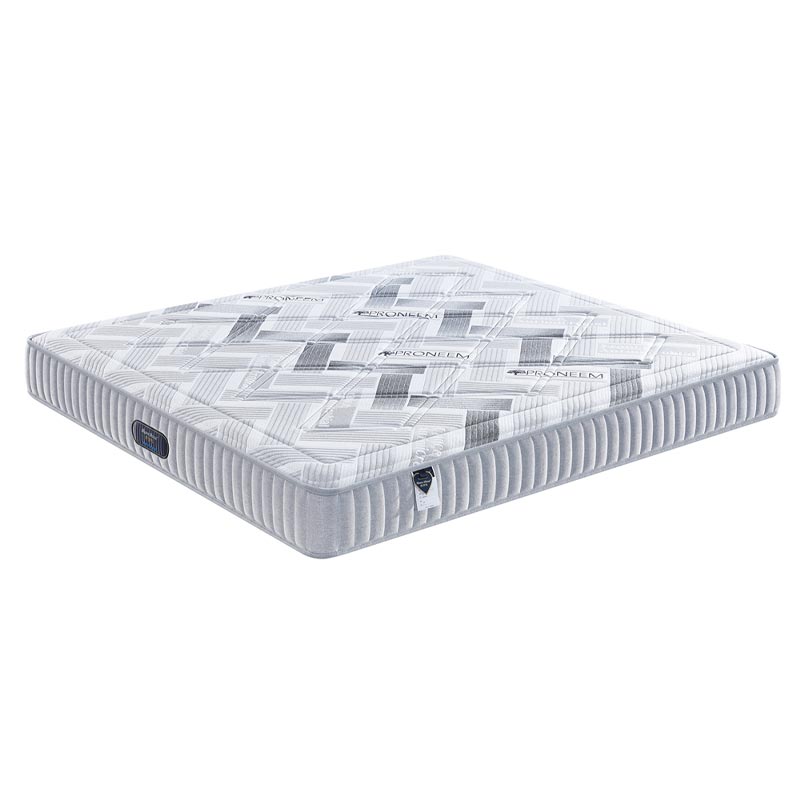
What Makes a High Density Foam Mattress Different From Regular Foam?
The main difference is in the structure of the foam itself. A High Density Foam Mattress is designed with foam that contains more material within a given volume. In practical terms, this often means better resistance to compression, stronger body support, and a lower risk of early sagging. I do not see density as a fancy technical label. I see it as one of the most important signs of whether the mattress can handle real daily use.
Regular low-density foam may feel soft at first, but softness alone does not mean comfort. If the foam collapses too quickly under body weight, the sleeper may lose proper spinal alignment. Over time, that can cause pressure around the shoulders, hips, and lower back. A well-made high-density foam structure provides a more stable foundation, helping the body rest in a more natural position.
- It helps distribute body weight more evenly across the mattress surface.
- It reduces the feeling of sinking too deeply into the bed.
- It supports the lower back, shoulders, and hips with better balance.
- It can improve durability in homes, hotels, apartments, and guest rooms.
- It helps limit motion transfer when one sleeper turns over during the night.
Why Do I Consider Support More Important Than First-Touch Softness?
A mattress can feel pleasant for ten seconds in a showroom and still fail after months of use. That is why I always separate “soft feeling” from “real support.” A good High Density Foam Mattress should not simply feel fluffy. It should hold the sleeper in a comfortable position while allowing enough cushioning for pressure-sensitive areas.
Many buyers complain that they wake up tired even after sleeping for seven or eight hours. Sometimes the issue is not the length of sleep, but the quality of support. If a mattress lets the waist sink while the shoulders remain high, the body may spend the night trying to correct its own posture. That small, repeated discomfort can lead to restless sleep.
I prefer a mattress that gives a steady response. When I lie down, the surface should adapt to the body without losing structure. When I get up, the foam should recover instead of leaving a deep impression. This balance is one of the reasons high-density foam is widely used for bedrooms, hotel rooms, serviced apartments, and rental properties where durability matters.
How Can a High Density Foam Mattress Help Buyers Avoid Common Mattress Problems?
Most mattress problems are not dramatic at first. They appear slowly. The bed becomes uneven. The edge feels weaker. One partner wakes up when the other turns. A guest says the bed feels too thin or too soft. These are the details that affect long-term satisfaction, especially for project buyers who need consistent quality across multiple rooms.
| Common Buyer Concern | What Usually Causes It | How High Density Foam Helps |
|---|---|---|
| Early sagging | Low-density foam loses structure quickly under repeated pressure | Denser foam improves compression resistance and shape retention |
| Back discomfort | The mattress allows the waist or hips to sink too deeply | Stable support helps keep the spine in a more natural position |
| Partner disturbance | Movement travels across the surface too easily | Foam structure absorbs part of the motion and reduces vibration |
| Poor long-term value | The mattress needs replacement sooner than expected | Better durability can lower replacement frequency over time |
| Unclear firmness choice | Buyers confuse density with hardness | High density can be combined with different comfort layers for varied firmness levels |
Which Sleepers May Benefit Most From This Mattress Type?
I would not say one mattress is perfect for every person, because sleep habits, body weight, and comfort preferences are different. However, I do think a High Density Foam Mattress is especially useful for sleepers and buyers who care about stable support, daily durability, and a cleaner sleeping experience.
- Side sleepers may benefit from pressure distribution around the shoulders and hips when the comfort layer is properly designed.
- Back sleepers often need balanced waist support rather than a surface that collapses under the lower back.
- Couples may appreciate lower motion transfer during turning, sitting, or getting out of bed.
- Hotel buyers usually need mattresses that feel comfortable to many guests while still resisting frequent use.
- Apartment and rental operators often prefer a mattress that is easy to place, easy to maintain, and durable enough for tenant turnover.
For me, this is where product advantage becomes practical. A mattress does not need to make exaggerated promises. It needs to perform in real rooms, under real people, for real use cycles. That is where high-density foam can show its value.
How Should I Judge Density, Firmness, and Comfort Without Confusing Them?
One common mistake I see is assuming that high density always means a very hard bed. That is not accurate. Density refers to the amount and compactness of the foam material, while firmness refers to how soft or firm the surface feels when a person lies on it. A well-designed High Density Foam Mattress can be made in different comfort levels depending on the foam layers, fabric, thickness, and overall construction.
This matters because buyers often have different goals. A hotel may want a medium-firm feel that suits most guests. A home user may want a softer top layer with a stronger support base. A rental project may need a practical mattress that balances cost, comfort, and service life. The best choice is not always the thickest or the softest one. The best choice is the one that matches the use scenario.
| Selection Factor | What I Check | Why It Matters |
|---|---|---|
| Foam density | Whether the core can resist long-term compression | It affects durability and support stability |
| Firmness level | Soft, medium, medium-firm, or firm surface feel | It affects sleeping comfort and user acceptance |
| Mattress thickness | Whether the height fits the bed frame and comfort needs | It affects appearance, support depth, and user experience |
| Cover fabric | Breathability, skin feel, and ease of care | It affects comfort, hygiene, and daily maintenance |
| Application scene | Home, hotel, apartment, dormitory, or guesthouse | It determines the best balance between comfort and service life |
Why Is Durability So Important for Hotels, Apartments, and Bulk Buyers?
For individual families, a mattress is a personal comfort decision. For hotels, apartments, and distributors, it is also an operational decision. If a mattress loses shape too quickly, the cost is not only the replacement price. There is also guest dissatisfaction, maintenance time, delivery coordination, and the risk of inconsistent room quality.
This is why I consider a High Density Foam Mattress a smart option for commercial and project use. It can offer a reliable sleeping surface while helping buyers control long-term replacement pressure. A mattress that performs consistently across many rooms is easier to manage than a low-cost option that creates complaints after a short period.
In a hotel room, the mattress has to suit different body types and sleep habits. In an apartment, it has to handle daily use from tenants who may not treat it gently. In a guesthouse, it needs to feel welcoming without becoming difficult to maintain. High-density foam gives buyers a practical foundation for these situations.
How Does This Mattress Support a Cleaner and More Comfortable Sleep Environment?
Comfort is not only about softness. It also includes breathability, surface feel, moisture control, and how fresh the bed feels after repeated use. A carefully designed foam mattress can include breathable fabric, open-cell foam structure, and practical covering options to reduce stuffiness and improve daily comfort.
I also think buyers should consider maintenance from the beginning. A mattress used in a hotel or apartment should not be difficult to handle. Features such as compressed packaging, practical fabric choices, and size customization can make storage, delivery, and room setup more efficient.
- Breathable surface materials can help reduce the feeling of heat buildup.
- Stable foam recovery helps the bed look neat after use.
- Motion absorption can improve sleep quality for couples and shared rooms.
- Custom sizes can help match different room layouts and bed frames.
- Vacuum compression packaging may support easier shipping and handling for bulk orders.
What Should I Ask Before Ordering a High Density Foam Mattress?
Before placing an order, I would never look at price alone. A lower price can be tempting, but the wrong mattress can cost more after complaints, returns, or early replacement. I prefer to ask questions that reveal whether the product is suitable for the actual use environment.
- What firmness level is best for the target users?
- What mattress thickness works with the bed frame or room design?
- Can the size, fabric, color, or structure be customized?
- Is the mattress intended for home use, hotel use, apartment use, or wholesale supply?
- How is the mattress packed for shipping and storage?
- What quality control process is used before delivery?
- Can the supplier support repeat orders with stable specifications?
These questions help prevent one of the biggest purchasing mistakes: choosing a mattress that looks acceptable on paper but does not match the actual project. The right High Density Foam Mattress should fit both the sleeper and the buyer’s business needs.
Is a High Density Foam Mattress a Better Choice for Long-Term Value?
In many cases, yes. I see its value in three areas: comfort, durability, and purchasing flexibility. Comfort comes from balanced pressure relief and stable support. Durability comes from the foam’s resistance to compression and deformation. Flexibility comes from the ability to adapt the mattress to different rooms, markets, and customer expectations.
For home buyers, that means a mattress that can support daily sleep without losing comfort too quickly. For hotel and apartment buyers, it means a product that can improve user satisfaction while helping control operating costs. For wholesalers and distributors, it means a mattress category with broad market demand and practical customization potential.
I also appreciate that this type of mattress can be positioned clearly for different markets. It is not limited to one narrow use. It can serve family bedrooms, hotel rooms, dormitories, serviced apartments, guesthouses, and rental properties. That makes it a flexible option for buyers who want reliable sleep products with a clean and understandable value proposition.
How Can I Choose a Supplier That Understands Both Comfort and Business Needs?
A mattress supplier should not only provide a product list. I want to see whether the supplier understands real purchasing concerns: stable quality, customization, packaging, delivery, and after-sales communication. This is especially important for buyers placing repeat orders or managing multiple rooms.
When I evaluate a supplier, I look for clear product categories, practical application knowledge, and the ability to discuss details such as size, thickness, firmness, cover fabric, and project use. A good supplier should help buyers avoid confusion instead of pushing a single option for every need.
This is one reason I would consider working with a manufacturer that focuses on bedding products and understands the difference between home comfort and commercial durability. For a product like a High Density Foam Mattress, the details behind the surface matter. Foam quality, structure, fabric, packaging, and production consistency all affect the final sleep experience.
Why Should Buyers Talk to Xinzhiyue Before Making a Mattress Purchase?
If I were sourcing mattresses for a home furnishing project, hotel upgrade, rental apartment setup, or wholesale channel, I would want more than a standard product description. I would want to discuss the actual use case, expected firmness, order quantity, size requirements, fabric preference, and packaging method. That conversation can make the final choice much more accurate.
A well-selected High Density Foam Mattress can help solve the common problems buyers care about most: sagging, unstable support, partner disturbance, short service life, and unclear customization options. It gives buyers a practical way to combine comfort with long-term value.
If you are comparing mattress options for your next home, hotel, apartment, or wholesale project, I recommend sending your requirements directly to the team. Share your preferred size, firmness, thickness, quantity, and target application, and ask for a suitable solution. To learn more about product details or request a quotation, please contact us today and leave an inquiry for a customized High Density Foam Mattress solution.