

Which Tiered Wooden Dessert Rack Creates a More Attractive and Functional Dessert Display?
2026-11-19
Article Summary
A well-organized dessert display can transform an ordinary serving table into an attractive focal point. Whether used in bakeries, cafes, hotels, weddings, catering events, or home celebrations, a tiered wooden dessert rack provides multiple display levels while making better use of limited table space.
However, choosing the right rack involves more than appearance. Material quality, structural stability, tier spacing, tray dimensions, load capacity, surface finishing, and cleaning requirements all influence its practicality. This guide explores the main features of tiered wooden dessert racks, explains how to select suitable designs for different occasions, and shares useful advice for product maintenance and wholesale purchasing. It also introduces considerations that buyers should discuss with furniture and wooden display product suppliers, including Olifurniture Co., Ltd.
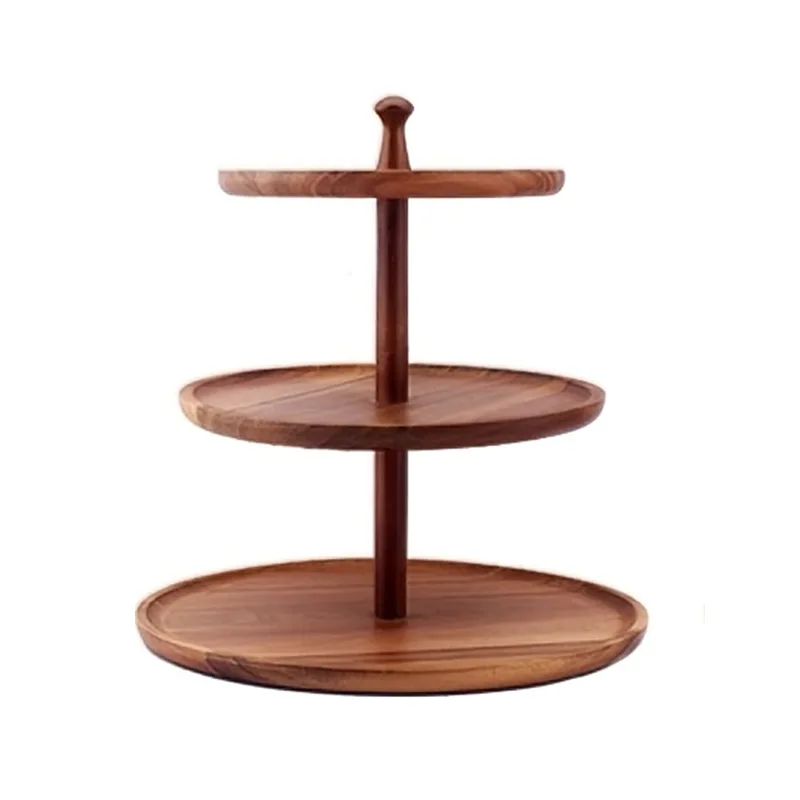
1. What Is a Tiered Wooden Dessert Rack?
A tiered wooden dessert rack is a multi-level display structure designed to organize and present desserts, pastries, snacks, and other small food items. It typically consists of two or more horizontal platforms arranged at different heights and supported by a wooden frame, vertical posts, or other structural components.
Unlike a conventional flat serving tray, a tiered rack uses vertical space to create a layered presentation. This allows customers and guests to view different products more easily while reducing the amount of tabletop area required.
Depending on the design, a wooden dessert rack may feature rectangular shelves, circular trays, removable platforms, folding supports, or decorative edges. Some models are designed for compact home use, while others are intended for professional buffet counters, bakeries, and event displays.
What Makes Wooden Dessert Racks Popular?
Wood has a natural visual character that works well with many interior styles. Its grain patterns, warm colors, and tactile surface can create a welcoming presentation, especially when paired with pastries, bread, cakes, fruit, and other foods.
Another advantage is design flexibility. Wooden display racks can be produced in different shapes, sizes, finishes, and configurations to match the needs of different customers.
2. Why Tiered Displays Improve Dessert Presentation
Presentation influences how customers perceive food products. In bakeries, cafes, hotels, and catering venues, an organized display can make products easier to notice and help create a more professional serving environment.
2.1 Better Use of Limited Table Space
Traditional flat trays spread desserts across a single horizontal surface. When the available area is limited, products may become crowded or difficult to distinguish.
A tiered wooden rack separates items into different levels, making use of vertical space. This is particularly useful for small dessert counters, coffee stations, buffet tables, and compact event setups.
2.2 Improved Product Visibility
When desserts are displayed at different heights, products placed toward the back or middle of the arrangement can remain visible. The stepped structure also creates a more organized visual composition.
2.3 A More Attractive Serving Environment
Natural wood finishes can complement rustic, farmhouse, minimalist, vintage, and contemporary interior styles. A carefully selected rack can therefore function as both a serving accessory and a decorative element.
2.4 Easier Product Organization
Different levels can be assigned to different product categories. For example, the upper tier may hold cupcakes, the middle tier may display cookies, and the lower tier may accommodate larger pastries.
Uses vertical space to organize more items within a compact footprint.
Creates height differences that make individual desserts easier to see.
Wood grain adds warmth and visual texture to food presentation.
Supports different dessert categories, serving arrangements, and event themes.
3. Popular Designs and Structural Styles
Tiered wooden dessert racks are available in different configurations. The most suitable style depends on the available space, food sizes, display purpose, and desired appearance.
3.1 Two-Tier Wooden Dessert Rack
A two-tier design provides a simple arrangement with two display surfaces. It is suitable for smaller gatherings, coffee stations, home kitchens, and compact bakery counters.
Its relatively simple structure can also make assembly, cleaning, and storage easier, depending on the product design.
3.2 Three-Tier Wooden Dessert Rack
A three-tier rack offers more display levels and is a popular option for dessert tables, afternoon tea settings, and party arrangements. It provides additional space without requiring a large horizontal footprint.
3.3 Multi-Level Display Rack
Four-tier and larger display structures are useful for larger buffet arrangements and retail presentations. Their height and platform spacing should be carefully considered to maintain stability and allow convenient access to displayed products.
3.4 Rectangular and Square Designs
Rectangular platforms are practical for displaying brownies, sandwiches, pastries, bread slices, and individually packaged snacks. Square designs offer a balanced appearance and can fit neatly into buffet layouts.
3.5 Round and Oval Designs
Round wooden platforms create a softer visual effect and are often suitable for cupcakes, small cakes, cookies, fruit, and decorative dessert arrangements.
3.6 Folding and Removable Designs
Some racks use folding frames or removable trays to simplify transportation and storage. These designs can be particularly useful for event organizers, catering companies, and businesses that frequently change their display layouts.
| Design | Main Characteristics | Typical Application |
|---|---|---|
| Two-Tier | Compact structure with two levels. | Home use, coffee stations, small counters. |
| Three-Tier | Balanced capacity and display height. | Parties, bakeries, afternoon tea. |
| Four-Tier or More | Greater vertical display capacity. | Buffets, large events, retail displays. |
| Round | Soft appearance and flexible arrangement. | Cupcakes, cookies, fruit, small desserts. |
| Rectangular | Efficient use of linear counter space. | Pastries, bread, sandwiches, snacks. |
| Folding | Designed for convenient storage and transport. | Catering, events, temporary displays. |
4. Choosing the Right Wood Material
Wood selection affects the appearance, weight, durability, maintenance requirements, and overall cost of a dessert rack. Buyers should consider both the intended application and the characteristics of the material.
4.1 Solid Wood
Solid wood is made from natural timber and offers distinctive grain patterns and textures. Depending on the species and construction, it can provide a substantial appearance and a durable structure.
However, natural wood can respond to changes in humidity and temperature. Proper drying, construction, and finishing are important to reduce problems such as warping, cracking, or dimensional changes.
4.2 Acacia Wood
Acacia is commonly used in serving accessories and wooden display products. It is appreciated for its distinctive grain, warm color variations, and relatively hard surface.
For dessert racks, buyers should check the quality of the wood, finishing, joints, and surface treatment rather than assuming that every acacia product has identical performance.
4.3 Rubberwood
Rubberwood is used in furniture and household wooden products. It can provide a relatively consistent appearance and is suitable for various painted, stained, or natural finishes when properly processed.
4.4 Pine Wood
Pine is a lighter-colored softwood with a natural grain appearance. It can be suitable for decorative dessert racks and lightweight display structures, although its surface hardness and resistance to dents differ from those of many hardwoods.
4.5 Plywood and Engineered Wood
Some display products use plywood or other engineered wood materials. These materials can offer dimensional consistency and design flexibility, depending on their construction and intended use.
| Material | Appearance | Key Consideration |
|---|---|---|
| Solid Wood | Natural grain and varied textures. | Moisture control and construction quality. |
| Acacia | Distinctive grain and warm tones. | Finish quality and wood selection. |
| Rubberwood | Relatively uniform appearance. | Moisture protection and finishing. |
| Pine | Light color and visible grain. | Surface protection and load requirements. |
| Plywood | Consistent manufactured surface. | Edge finishing and bonding quality. |
5. Key Features of a Practical Dessert Rack
A visually attractive dessert rack must also perform reliably during everyday use. Several construction details deserve attention when evaluating a product.
5.1 Stable Supporting Structure
The rack should have a balanced base and secure connections between the support frame and display platforms. A stable structure helps reduce wobbling when desserts are placed or removed.
5.2 Appropriate Tier Spacing
The distance between levels should accommodate the height of the intended food items. Insufficient spacing can make cupcakes or pastries difficult to access, while excessive spacing may increase the overall height without improving display capacity.
5.3 Suitable Platform Dimensions
Each level should provide enough usable surface area for the intended dessert sizes. Raised edges or retaining features may help prevent smaller items from sliding off, depending on the rack design.
5.4 Smooth Surface Finishing
Well-finished wooden surfaces are easier to wipe clean and provide a more refined appearance. Rough edges, splinters, uneven coatings, and exposed fasteners should be checked during quality inspection.
5.5 Reliable Connections
Joints, screws, dowels, and other connecting components contribute to structural stability. Their quality is especially important for multi-level racks that carry several items simultaneously.
5.6 Convenient Assembly and Storage
For event businesses and catering operators, a rack that can be assembled, disassembled, or folded efficiently may reduce transportation and storage difficulties.
6. Applications Across Different Industries
Although tiered wooden dessert racks are commonly associated with cakes and pastries, their practical uses extend across several commercial and residential settings.
6.1 Bakeries and Pastry Shops
Bakeries can use multi-level wooden displays to organize cupcakes, cookies, muffins, small cakes, and other baked products. Different tiers can separate product categories and create a more structured counter arrangement.
6.2 Cafes and Coffee Shops
Cafes often have limited counter space. A compact wooden rack can display pastries alongside coffee and tea service without requiring a large flat serving area.
6.3 Hotels and Restaurants
Hotels and restaurants may use tiered racks for breakfast buffets, afternoon tea, dessert stations, and special dining events. The natural appearance of wood can complement a variety of table settings.
6.4 Weddings and Catering Events
Event planners often need display products that are visually attractive and easy to arrange. Tiered wooden racks can help create height variation and organize different desserts on a dessert table.
6.5 Supermarkets and Specialty Food Retailers
Retail businesses may use wooden display racks for packaged sweets, baked goods, snacks, or seasonal promotional products. In these settings, visibility, easy restocking, and cleaning convenience are important.
6.6 Home Kitchens and Celebrations
For household use, wooden dessert racks can serve as decorative accessories for birthdays, holidays, family gatherings, and afternoon tea. Some models can also be used to organize fruit or small household items when the product design permits.
7. How to Choose the Right Size and Tier Configuration
Selecting the correct dimensions is essential for creating a functional display. A rack that is too small may not hold enough products, while an oversized design can occupy unnecessary space and make the arrangement difficult to manage.
7.1 Measure the Available Display Area
Start by measuring the countertop, buffet table, or display area. Consider both the width and depth, and leave sufficient clearance around the rack for customers or staff to access the products.
7.2 Estimate the Number of Desserts
Determine how many cupcakes, cookies, pastries, or other items need to be displayed at one time. This helps establish the required number of tiers and the approximate surface area of each platform.
7.3 Consider Dessert Height and Diameter
Tall cupcakes, decorated cakes, and pastries with toppings require more vertical clearance. Small cookies and bite-sized snacks may fit comfortably on closer-spaced levels.
7.4 Evaluate Overall Stability
As the number of tiers increases, the rack becomes taller and may require a wider base or stronger support structure. Stability should be assessed with the rack fully assembled and loaded according to the manufacturer's instructions.
7.5 Think About Storage and Transportation
Businesses that operate at different venues should consider the packed dimensions and assembly requirements. Removable platforms or folding supports may make transportation more convenient.
| Buying Requirement | Recommended Consideration | Purpose |
|---|---|---|
| Small Tabletop Display | Compact two-tier design. | Save counter space. |
| Medium Dessert Arrangement | Three-tier design with balanced spacing. | Display multiple dessert categories. |
| Large Buffet Display | Multi-level design with stable support. | Increase display capacity. |
| Frequent Event Transportation | Folding or removable components. | Simplify storage and transportation. |
| Premium Food Presentation | Carefully finished natural wood. | Create a refined visual appearance. |
8. How to Arrange Desserts on a Wooden Rack
Even a well-designed rack requires thoughtful arrangement to achieve an attractive presentation. The following methods can help restaurants, event planners, and home users organize desserts more effectively.
8.1 Place Larger Items on Lower Levels
Heavier or larger desserts are generally better positioned on lower platforms. This helps keep the center of gravity lower and makes the overall display easier to access.
8.2 Use Upper Levels for Smaller Items
Cupcakes, cookies, mini pastries, and individually portioned desserts can be arranged on upper tiers when the platform dimensions and load limits are suitable.
8.3 Create Visual Variation
Combining different dessert shapes, colors, and sizes can create a more interesting arrangement. For example, round cupcakes can be placed beside rectangular brownies or small pastries.
8.4 Avoid Overcrowding
Leave enough space between items so customers can identify and remove products easily. Overcrowding can make the display look untidy and may increase the risk of accidental contact.
8.5 Match the Display with the Event Theme
Natural wood works well with rustic, farmhouse, minimalist, and outdoor celebration themes. Tablecloths, flowers, decorative signs, and suitable serving plates can help create a consistent presentation.
8.6 Consider Hygiene and Serving Convenience
Use suitable food-safe plates, liners, or containers where appropriate. Keep serving utensils accessible and arrange products so that staff can replenish them without disturbing the entire display.
9. Cleaning and Maintenance Guidelines
Wooden dessert racks require appropriate care to maintain their appearance and structural condition. Unlike many plastic or metal display products, wood can be affected by prolonged moisture exposure, aggressive cleaning agents, and unsuitable storage conditions.
Daily Cleaning
- Remove leftover food particles after each use.
- Wipe the surface with a soft cloth according to the manufacturer's care instructions.
- Use only suitable cleaning products for the specific wood finish.
- Dry the rack promptly after any damp cleaning.
- Check corners and joints for trapped food residue.
Periodic Inspection
- Check the stability of the support structure.
- Inspect screws, joints, and removable connections.
- Look for cracks, splinters, or surface damage.
- Check whether the finish is peeling or deteriorating.
- Replace damaged components when necessary.
Proper Storage
Store wooden dessert racks in a dry, well-ventilated environment. Avoid leaving them in damp storage rooms or exposing them to prolonged direct sunlight and excessive heat.
For models with removable or folding components, follow the manufacturer's storage instructions to avoid unnecessary stress on joints and connection points.
10. Common Buying Mistakes and Solutions
Choosing a dessert rack based only on photographs or appearance can lead to problems after delivery. Buyers should review practical specifications before confirming an order.
| Common Mistake | Potential Problem | Better Approach |
|---|---|---|
| Choosing by Appearance Only | The rack may not meet actual capacity or stability needs. | Review dimensions, construction, and load guidance. |
| Ignoring Tier Spacing | Tall desserts may not fit comfortably. | Measure the height of intended products. |
| Overlooking Wood Quality | Surface defects or inconsistent finishing may affect appearance. | Request material details and samples. |
| Ignoring Stability | The rack may wobble when loaded. | Inspect the base, joints, and support structure. |
| Neglecting Cleaning Requirements | Improper maintenance may damage the finish. | Confirm suitable cleaning and care procedures. |
| Not Checking Packaging | Products may be scratched or damaged during transport. | Discuss protective packaging and carton specifications. |
11. What Wholesale Buyers Should Consider
For importers, distributors, restaurant supply companies, furniture retailers, and hospitality purchasing teams, buying tiered wooden dessert racks in bulk requires careful supplier evaluation.
11.1 Confirm Product Specifications
Request detailed information about the wood material, overall dimensions, number of tiers, platform thickness, surface finish, assembly method, and recommended load capacity.
11.2 Evaluate Manufacturing Quality
Check the consistency of wood selection, cutting accuracy, edge finishing, joint construction, sanding, and surface treatment. These factors can influence the appearance and practical performance of the finished product.
11.3 Request Samples Before Bulk Orders
A physical sample allows buyers to evaluate the actual color, grain, dimensions, stability, and finish. It can also help confirm whether the product matches the intended retail positioning or customer expectations.
11.4 Discuss Customization Options
Different markets may require different product dimensions, wood finishes, colors, packaging styles, or branding details. Buyers should clarify available customization options, minimum order quantities, and production lead times before placing orders.
11.5 Check Packaging and Shipping Requirements
Wooden display products should be packaged to reduce movement, surface friction, and impact during transportation. Bulk buyers should confirm carton dimensions, protective materials, labeling, and export packaging arrangements.
11.6 Choose a Supplier with Relevant Product Experience
Working with a furniture and wooden product supplier can help buyers discuss material selection, product construction, design requirements, and production arrangements more efficiently.
Olifurniture Co., Ltd. can be introduced as a potential business contact for buyers exploring wooden furniture and display product sourcing. Before confirming a specific dessert rack order, buyers should communicate their requirements and verify the company's available product range, manufacturing specifications, and customization capabilities.
- Confirm the exact rack design and number of tiers.
- Verify the wood species and material construction.
- Check dimensions and recommended load capacity.
- Review surface finishing and edge treatment.
- Request a sample or product photographs.
- Discuss OEM branding and customization requirements.
- Confirm MOQ, pricing, lead time, and packaging.
- Clarify quality inspection and shipping arrangements.
12. Frequently Asked Questions
Q1. What is a tiered wooden dessert rack used for?
A tiered wooden dessert rack is used to display and organize desserts, cupcakes, cookies, pastries, fruit, and snacks on multiple levels. It is commonly used in bakeries, cafes, hotels, restaurants, parties, and home celebrations.
Q2. How many tiers should a wooden dessert rack have?
The ideal number depends on available table space, the number of desserts, and the desired presentation. Two-tier designs are suitable for compact displays, while three-tier and larger models can accommodate more products.
Q3. Which wood is suitable for a dessert display rack?
Acacia, rubberwood, pine, and other suitable solid or engineered wood materials can be used. The best option depends on the required appearance, construction, durability, budget, and maintenance conditions.
Q4. Can a tiered wooden dessert rack hold heavy cakes?
It depends on the rack's construction, platform dimensions, joints, and manufacturer-specified load capacity. Buyers should confirm the recommended load before placing heavy cakes or other substantial items on the rack.
Q5. Are wooden dessert racks suitable for commercial use?
Yes. Suitable designs can be used in bakeries, cafes, hotels, catering services, and restaurant buffet areas. Commercial buyers should prioritize structural stability, cleaning procedures, material suitability, and repeated-use requirements.
Q6. How should a wooden dessert rack be cleaned?
Follow the manufacturer's care instructions. Many wooden racks can be cleaned with a soft cloth and suitable cleaning products. Avoid soaking the product, prolonged moisture exposure, and dishwasher use unless specifically approved.
Q7. Can wooden dessert racks be customized?
Customization may include dimensions, tier count, platform shape, wood material, surface finish, color, and packaging. Availability depends on the supplier's manufacturing capabilities and minimum order requirements.
Q8. Are tiered wooden dessert racks suitable for weddings?
Yes. Their natural appearance and layered structure make them suitable for wedding dessert tables, afternoon tea arrangements, and other celebrations. The rack can display cupcakes, cookies, small pastries, and decorative food items.
Q9. What should importers check before ordering wooden dessert racks?
Importers should check material specifications, dimensions, tier spacing, load capacity, surface finish, product samples, packaging, MOQ, lead time, and customization options before confirming a bulk order.
Q10. Can wooden dessert racks be used for purposes other than serving desserts?
Depending on their construction and cleaning requirements, they can also be used to display fruit, packaged snacks, decorative items, candles, and small retail products. Always consider the product's intended use and load limitations.
Conclusion: Create a More Memorable Display with the Right Wooden Dessert Rack
A tiered wooden dessert rack is more than a serving accessory. It is a practical display solution that combines vertical organization, natural materials, and decorative appeal. By arranging desserts at different heights, it helps businesses make better use of table space and create a more attractive presentation.
However, choosing the right product requires careful attention to material quality, structural stability, tier spacing, dimensions, surface finishing, and cleaning requirements. These factors are especially important for bakeries, hotels, catering companies, and wholesale buyers who need products suitable for repeated use.
Whether you are sourcing a compact two-tier stand for a cafe or a larger multi-level display rack for commercial events, clearly defining your requirements before purchasing can help you find a more suitable solution.
Looking for a Reliable Wooden Display Product Supplier?
Olifurniture Co., Ltd. is a business contact for buyers exploring wooden furniture and display product solutions.
Whether you are sourcing tiered wooden dessert racks, customized wooden display products, or other furniture-related items, defining the right materials, dimensions, and design is essential for successful purchasing.
Have a product idea or bulk sourcing requirement? Contact us to discuss your project specifications, customization needs, and purchasing plans. We look forward to exploring suitable wooden product solutions for your business.
Contact Us