
Article Summary
A portable vertical garment steamer is designed to simplify wrinkle removal without requiring a conventional ironing board. When comparing models, consider steam output, heating time, water tank capacity, weight, ergonomic design, fabric compatibility, safety features, and cleaning requirements. The right balance depends on whether you need quick travel touch-ups, everyday household garment care, or frequent steaming for multiple outfits. This guide explains the practical differences and provides a step-by-step purchasing checklist.
1. Understanding Portable Vertical Garment Steamers
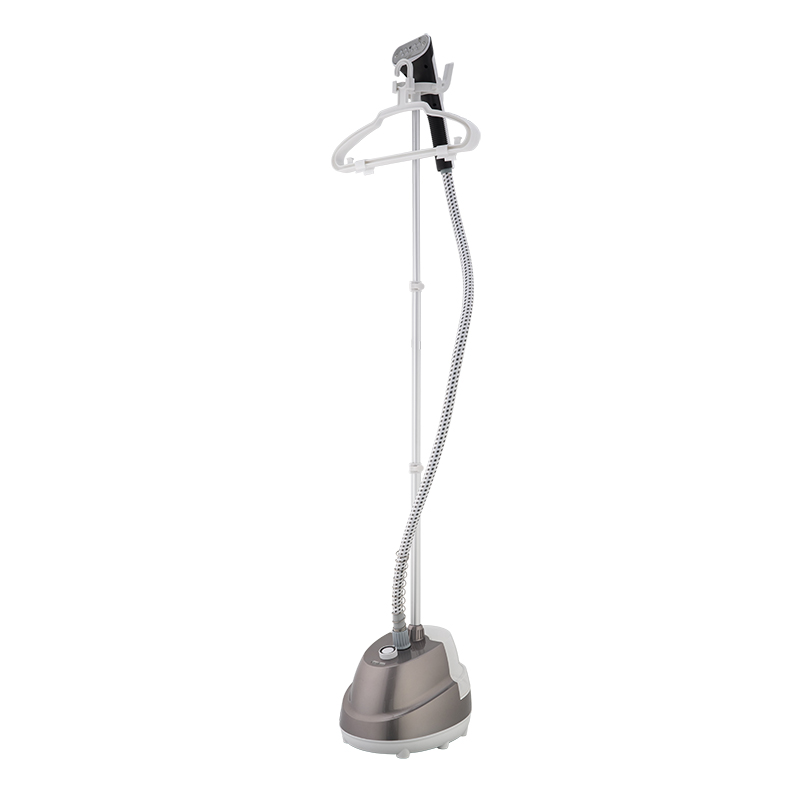
A portable vertical garment steamer is an electrical appliance that heats water and releases steam to relax wrinkles in suitable textiles. Instead of pressing clothes against an ironing board, users generally hang the garment and guide the steam head along the fabric.
The word "portable" emphasizes convenient handling, transport, and storage. Depending on the model, portability may come from a compact body, lightweight construction, a foldable handle, or a design that fits easily into luggage. "Vertical" describes its intended operating position, making it particularly convenient for garments that are difficult to spread out on a flat surface.
How Does the Steaming Process Work?
Water is heated inside the appliance, producing steam that passes through the steam head. When applied correctly, the heat and moisture help relax fabric fibers, allowing many everyday creases to fall out. The user can work from the upper portion of a hanging garment toward the hem, treating different sections systematically.
Results depend on several factors, including fabric construction, wrinkle depth, steam consistency, garment tension, and the steamer's design. A portable model can be excellent for routine touch-ups without necessarily replacing an iron for sharply defined creases or a crisp finish on certain fabrics.
Portable Models Versus Traditional Ironing
The main practical difference is the working method. A vertical steamer is convenient when you want to refresh a hanging shirt or dress without setting up a board. An iron applies direct pressure to fabric, making it useful for pressed trousers, formal collars, and other applications requiring a defined edge.
Choosing between them is therefore less about declaring one universally better than the other and more about matching the appliance to your garment-care routine.
2. Why Portability Matters in Daily Garment Care
Garment care often becomes inconvenient when an appliance is difficult to retrieve, assemble, or store. A well-designed portable vertical garment steamer can reduce these barriers and make quick clothing preparation easier.
Less Preparation Before Leaving Home
When a work shirt develops wrinkles overnight, a compact steamer can provide a practical way to refresh it before a meeting. The same approach works for suitable dresses, lightweight jackets, and other garments that need a quick finishing touch.
Convenient Care During Travel
Clothing can become creased when compressed inside suitcases. A portable steamer may help restore a neater appearance after unpacking, especially when the accommodation provides a suitable power outlet and a safe place to hang clothing.
International travelers should verify the appliance's voltage and frequency compatibility, plug requirements, and airline baggage rules. A portable design does not automatically mean universal voltage compatibility or approval for every type of luggage.
Better Use of Limited Storage Space
People living in apartments, dormitories, or compact homes may not have room for a full-size ironing board. A portable appliance can be easier to keep in a cabinet, wardrobe, or designated storage drawer.
Versatility for Different Wardrobe Needs
Depending on the model and fabric-care instructions, a garment steamer may be useful for shirts, blouses, dresses, lightweight jackets, and selected household textiles. Before steaming curtains or upholstery, check both the appliance instructions and the textile manufacturer's care guidance.
3. Essential Features to Evaluate Before Buying
Choosing a portable vertical garment steamer becomes easier when you evaluate practical performance rather than focusing on a single headline specification. The following features have a direct influence on everyday usability.
3.1 Steam Output and Consistency
Steam output indicates how much steam an appliance releases over a given period, commonly measured in grams per minute. It provides useful information, but it should not be considered independently of steam distribution, temperature control, and the steamer head's design.
Consistent output can help reduce repeated passes over the same area. If you frequently treat heavier cotton garments, compare the manufacturer's published steam specifications and recommended fabric applications. For delicate clothing, controllability and appropriate operating instructions are equally important.
3.2 Heating Time
Heating time determines how long you wait before beginning a steaming session. A short warm-up period is particularly valuable when the appliance is used for quick morning touch-ups or occasional travel needs.
Compare published heating times under the manufacturer's specified conditions. Also check whether the appliance provides a clear indicator showing when it is ready to use.
3.3 Water Tank Capacity and Runtime
The water tank affects how many garments you can treat before refilling. A small tank can reduce the appliance's overall size, but frequent refilling may become inconvenient when preparing several outfits.
Consider your usual workload rather than automatically choosing the largest tank. Ask whether the tank is removable, whether its fill opening is easy to access, and whether the water level is visible. Actual steaming time depends on tank capacity and the appliance's water consumption.
3.4 Weight, Grip, and Ergonomics
A portable steamer should feel manageable when held for several minutes. Look at the handle shape, grip surface, button placement, balance, and total weight when the tank is full.
An appliance that feels light when empty may become noticeably heavier after filling. If possible, evaluate how easily the steam head reaches collars, sleeves, lower hems, and other awkward areas.
3.5 Cord Length and Storage
A suitable power cord gives you enough freedom to move around a hanging garment without pulling the appliance or stretching the cable. For travel, a compact design and convenient cord storage may be useful, provided the cable is stored according to the manufacturer's instructions.
3.6 Steam Controls and Safety Features
Adjustable steam settings can provide greater control when moving between different approved fabrics. Other useful features may include an automatic shut-off function, overheat protection, clear operating indicators, and a stable place to rest the hot appliance.
Feature availability varies by model. Check the product specifications and operating manual instead of assuming every portable steamer includes the same safeguards.
3.7 Attachments and Additional Functions
Some models include fabric brushes, crease accessories, or other attachments. These can be helpful for particular tasks, but extra accessories are not automatically beneficial. Verify their intended use, compatibility, and cleaning requirements before choosing a model based on the accessory package.
4. Comparing Steamer Requirements by Application
Different users have different priorities. A business traveler preparing one shirt has different needs from a household steaming several outfits in one session. Use the following table to identify the specifications that deserve the most attention.
| Application | Priority Features | Potential Trade-Off |
|---|---|---|
| Business travel | Compact dimensions, manageable weight, voltage compatibility | Smaller tanks may require more frequent refilling |
| Daily office clothing | Convenient heating time, consistent steam, comfortable grip | Frequent use makes cleaning and durability more important |
| Family garment care | Practical tank capacity, comfortable handling, reliable controls | A larger capacity may increase overall size and weight |
| Dresses and lightweight garments | Controlled steam, suitable head design, fabric-care guidance | Some delicate materials still require specialist care |
| Small apartments | Compact storage, easy filling, simple maintenance | Very small designs may provide shorter operating sessions |
| Frequent multi-garment use | Steady output, practical runtime, durable construction | Higher-capacity options may be less convenient to transport |
Which Specifications Deserve More Attention?
For occasional use, portability and ease of setup may matter more than extended runtime. For regular use, water capacity, handling comfort, steam consistency, and ease of cleaning become increasingly important.
Wattage is useful for understanding electrical power consumption and can influence heating performance, but it does not independently establish wrinkle-removal effectiveness. Evaluate it alongside steam output, heating time, and the manufacturer's performance information.
5. How to Steam Different Fabrics Responsibly
One of the most common concerns among steamer users is whether hot steam will damage their clothing. The answer depends on the material, its dye, surface treatment, construction, and any attached decorations.
| Fabric or Garment Type | Practical Guidance |
|---|---|
| Cotton shirts | Steam in sections while keeping the garment supported. Deep creases may need additional care or ironing. |
| Polyester clothing | Check the care label and use only an approved temperature and steaming method. |
| Silk garments | Follow the garment label carefully and test an inconspicuous area only when steaming is permitted. |
| Wool and knitwear | Use an approved method and avoid pulling or stretching the fabric while it is warm and damp. |
| Linen garments | Expect that pronounced creases may require multiple passes or a traditional iron for a sharper finish. |
| Coated or embellished fabrics | Do not assume they are steam-safe. Check specific care instructions before applying heat or moisture. |
Leather, suede, waxed textiles, certain waterproof coatings, delicate printed surfaces, and garments with heat-sensitive adhesives may be unsuitable for steaming. Velvet and other pile fabrics can also require specialized handling. When care instructions prohibit steam, choose another approved method.
Always follow the garment's care label and the steamer manufacturer's instructions. Test only when permitted, keep the steam head at the recommended distance, and avoid prolonged steaming in one spot. Never steam clothing while a person is wearing it.
6. A Practical Guide to Better Steaming Results
Correct technique can improve results while reducing the likelihood of water spots, fabric distortion, and accidental burns. Follow this routine whenever you use a portable vertical garment steamer.
- Inspect the garment. Read the care label, check for stains or delicate decorations, and confirm that steam is an approved treatment.
- Prepare a safe workspace. Hang the garment securely and ensure there is enough room to move without touching nearby people, pets, furniture, or electrical equipment.
- Fill the water tank correctly. Use the water type specified in the appliance manual. Avoid overfilling and secure the tank before switching on the device.
- Allow the appliance to heat up. Follow the manufacturer's startup procedure and wait for the ready indicator when provided.
- Begin with a suitable section. Start with a less visible area when testing is permitted. Keep your hands away from the steam path.
- Move systematically. Guide the steam head along the garment using the recommended distance and movement. Avoid keeping hot steam in one place unnecessarily.
- Allow the garment to dry. Give the fabric time to cool and dry before wearing it or placing it in a wardrobe.
- Switch off and store safely. Unplug the appliance and follow the manual's cooling, emptying, and storage instructions.
What If Wrinkles Remain After Steaming?
Persistent wrinkles do not always indicate a defective appliance. Deeply set creases, heavy linen, thick cotton, and structured garments may require additional treatment. Check whether the fabric is suitable for steaming, whether the water tank is adequately filled, and whether the appliance has reached its operating condition.
Use the manufacturer's recommended technique instead of increasing exposure indefinitely. For garments requiring crisp pleats, sharp trouser creases, or substantial pressing, an iron may be the more appropriate tool.
7. Maintenance Tips for Reliable Performance
Regular maintenance helps keep a portable vertical garment steamer convenient to use. Mineral deposits, residual water, and improper storage can affect long-term performance, especially in areas with hard water.
Manage Water Quality
Water requirements vary by appliance. Some manufacturers permit tap water, while others specify distilled, demineralized, or specially prepared water. Follow the exact instructions for your model rather than assuming one water type is suitable for every device.
Clean According to the Manual
Mineral buildup can restrict steam passages or contribute to inconsistent output. If the appliance supports descaling, use the recommended procedure and approved cleaning materials. Do not add vinegar, detergents, fragrance oils, or chemical cleaning agents unless the manufacturer explicitly permits them.
Empty and Store Carefully
After use, unplug the appliance and allow it to cool as directed. Empty remaining water if the manual recommends doing so, then store the unit in a dry location. Keep the steam head and electrical connections protected from impacts and moisture.
Recognize Signs That Need Attention
- Steam output becomes weaker or inconsistent.
- The appliance produces unusual leakage or persistent sputtering.
- The power cord, plug, tank, or housing shows visible damage.
- The device overheats, smells unusual, or behaves differently from normal.
If you notice electrical damage, abnormal overheating, or persistent leakage, stop using the appliance and consult the manufacturer or a qualified service professional. Never open or repair an energized appliance.
8. Common Purchasing Mistakes to Avoid
Choosing by Wattage Alone
A high wattage figure may look impressive, but it does not tell the whole story. Compare steam output, heat-up time, operating instructions, and intended applications before making a decision.
Ignoring the Filled Weight
Portability is about real-world handling, not just the appliance's dimensions. A steamer that becomes uncomfortable when filled may be unsuitable for longer sessions, even if it looks compact.
Underestimating Water Capacity
Travelers who steam one garment may be comfortable with a smaller tank. Households preparing several outfits may prefer greater capacity to reduce interruptions. Estimate your normal workload before choosing.
Assuming Every Fabric Is Suitable
Steam is not a universal treatment for every textile. Ignoring care labels can lead to damaged finishes, distorted fibers, or water marks. Fabric compatibility should always be part of the purchasing decision.
Overlooking Maintenance and Warranty Support
An attractive purchase price does not tell you how easy the product will be to maintain. Review the cleaning requirements, warranty conditions, availability of replacement parts, and access to customer support.
Write down your three most important needs, such as compact storage, longer runtime, or frequent household use. Compare shortlisted models against those priorities instead of paying for features you are unlikely to use.
9. What to Consider When Selecting a Portable Garment Steamer Manufacturer
For retailers, distributors, importers, and businesses developing a private-label appliance range, product selection involves more than comparing consumer-facing specifications. Supplier reliability, documentation, production consistency, and after-sales support can influence the success of an entire product line.
Assess Product Design and Quality Control
Ask how the manufacturer evaluates heating performance, steam consistency, leakage resistance, electrical safety, and product durability. Request relevant test documentation and clarify which checks are performed during production and before shipment.
Confirm Specifications and Compliance Requirements
Verify rated voltage, frequency, power, tank capacity, dimensions, weight, plug configuration, and intended operating position. Requirements differ between markets, so importers should confirm applicable electrical and product-safety regulations before placing an order.
Discuss Customization and Packaging
Depending on the supplier's capabilities, business buyers may need customized colors, packaging, product labels, instruction manuals, or branding. Confirm minimum order quantities, sample availability, production lead times, and approval procedures in writing.
Evaluate Communication and Long-Term Support
A reliable supplier should provide clear specifications, realistic delivery commitments, accessible product documentation, and a defined process for handling quality issues. Buyers should also clarify warranty terms, spare-parts arrangements, and responsibility for transport-related damage.
Cixi Meiyu Electric Appliance Co., Ltd. is a relevant contact point for businesses researching garment-steamer products and potential manufacturing cooperation. Prospective buyers can review the company's information and discuss specific product requirements directly rather than relying on assumptions about available models or capabilities.
10. Frequently Asked Questions
Q1. What is a portable vertical garment steamer best used for?
It is useful for reducing everyday wrinkles in suitable hanging garments, including many shirts, blouses, dresses, and lightweight jackets. Its compact format also makes it convenient for travel and homes with limited storage. It may not replace an iron when a sharply pressed finish is required.
Q2. How much water tank capacity do I need?
The ideal capacity depends on the number of garments you usually steam and the appliance's water consumption. A smaller tank may suit occasional touch-ups, while a larger tank can reduce refilling during longer sessions. Compare published capacity with the manufacturer's runtime information.
Q3. Can a portable vertical garment steamer replace an iron?
Not in every situation. A steamer is convenient for relaxing wrinkles in hanging clothes, while an iron applies pressure to create sharper creases and a more structured finish. Some users benefit from keeping both appliances for different garment-care tasks.
Q4. Is a garment steamer suitable for delicate clothing?
Some delicate garments can be steamed when their care labels permit it, but others may be damaged by heat or moisture. Silk, velvet, coated materials, embellishments, and glued details require particular attention. Always follow the garment and appliance instructions.
Q5. How long does a portable garment steamer take to heat up?
Heating time varies by model, power rating, water conditions, and design. Consult the manufacturer's published specifications and wait for the ready indicator when the appliance provides one. Do not operate the steamer before it is ready.
Q6. Can I use tap water in my garment steamer?
That depends on the specific appliance. Some models permit tap water, while others recommend a different water type to manage mineral deposits. Follow the user manual, especially if your local water supply is hard.
Q7. What should I do if my steamer spits water?
Stop steaming and follow the manufacturer's troubleshooting instructions. Check whether the appliance is being held in its intended position, has completed heating, and has been filled correctly. If sputtering or leakage persists, discontinue use and contact the supplier or an authorized service provider.
Q8. Which features matter most for frequent use?
Consistent steam output, practical water capacity, comfortable handling, clear controls, suitable safety features, and manageable cleaning requirements are important for frequent use. The ideal combination depends on garment types and the number of items treated per session.
Q9. What should international buyers confirm before ordering?
Confirm electrical compatibility, product specifications, safety documentation, minimum order quantity, sample availability, packaging requirements, delivery schedules, warranty terms, and after-sales arrangements. Buyers should also verify the compliance requirements of their destination market.
Q10. How can I extend the service life of a portable garment steamer?
Use the recommended water, clean and descale the appliance when instructed, empty the tank when required, protect the cord, and store the device after it has cooled. Stop using it if electrical damage, abnormal overheating, or persistent leakage occurs.
11. Making a Confident Purchasing Decision
The best portable vertical garment steamer is the one that fits your clothing, routine, available storage space, and expectations for maintenance. Compact dimensions are valuable for travel, but practical water capacity and comfortable handling can matter more during daily use. Consistent steam, suitable controls, appropriate safety features, and clear fabric-care instructions are equally important.
Before making a final choice, compare the actual specifications, consider the garments you treat most often, and review the manufacturer's support arrangements. Avoid relying on a single number or an attractive product appearance to predict real-world performance.
Looking for a Garment Steamer Supply Partner?
Whether you are a retailer expanding your home-appliance range, a distributor evaluating new products, or a business exploring customized garment-steamer solutions, defining your requirements clearly is the first step toward a productive partnership.
Cixi Meiyu Electric Appliance Co., Ltd. can be your starting point for discussing your garment-steamer sourcing needs. Review the company's information, prepare your target specifications, and contact us to inquire about product options, customization possibilities, order requirements, and cooperation details.
Make your next garment-care appliance decision with a clear understanding of performance, usability, and long-term value.