
Article Summary: A good garment steamer should do more than produce hot steam. It should heat efficiently, handle wrinkles without excessive effort, remain comfortable during use, and be compact enough to fit naturally into everyday routines. A 1200W Mini Garment Steamer is designed around these practical needs. With a compact form, a 170ml water tank, built-in water pump and approximately 17g/min steam output, this type of appliance can provide convenient wrinkle removal for daily clothing care. This guide explains how its core features work, what users should consider before operation, how to steam different garments effectively, and how to maintain the appliance for dependable performance.
Core Features of a 1200W Mini Garment Steamer
Clothing care becomes frustrating when an appliance is difficult to store, slow to prepare, or uncomfortable to use. A compact steamer addresses these everyday problems by combining heating, water delivery and steam generation in one portable appliance.
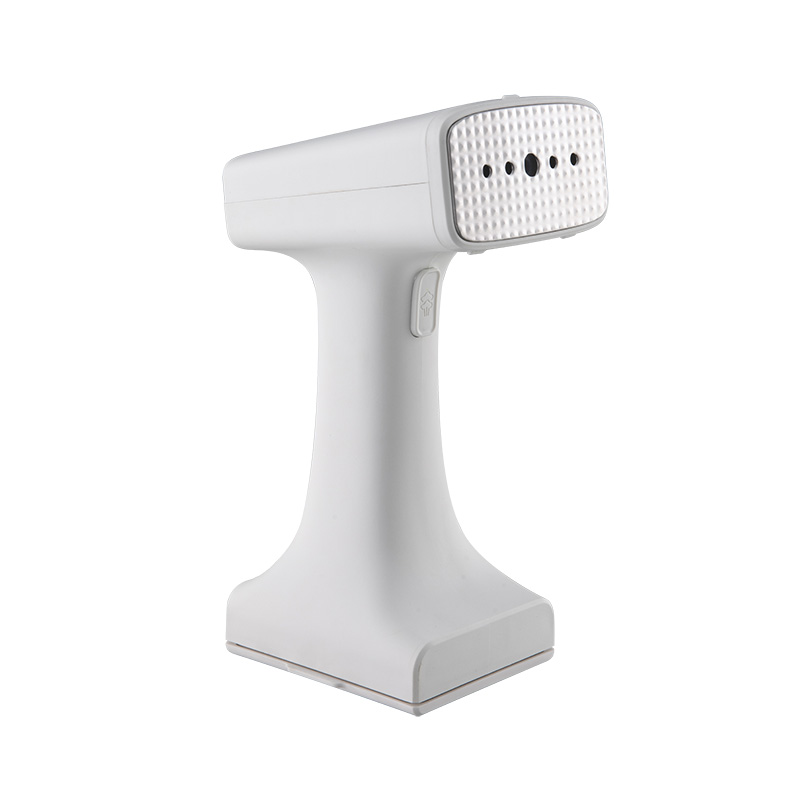
The 1200W Mini Garment Steamer from Meiyu is built around a compact design intended for convenient household garment care. Public product information lists a 1200W power rating, a 170ml water tank, a built-in pump and approximately 17g/min steam output. The appliance can be used for both vertical and horizontal steaming, making it more flexible than a device designed for only one position.
Why 1200W Power Matters in a Compact Steamer
Wattage is one of the first specifications shoppers notice, but the number only becomes meaningful when it is connected to actual use. In a garment steamer, electrical power is primarily related to the heating system. The appliance must convert electrical energy into heat quickly enough to turn water into usable steam.
A 1200W rating gives a compact appliance substantial heating capacity without moving into the size and energy demands associated with larger commercial machines. For consumers, this balance is useful because a garment steamer often needs to be ready for a shirt, jacket, skirt or dress shortly before leaving home.
However, higher wattage alone does not guarantee better wrinkle removal. Steam delivery, heating construction, water flow and the design of the steam head all contribute to real-world performance. This is why it is better to evaluate the complete system rather than choosing a product based only on its power rating.
What Users Can Expect from a 1200W Design
- Efficient heating for routine garment steaming.
- Enough power for regular household clothing touch-ups.
- A practical balance between portability and heating performance.
- Convenient operation without the footprint of a full-size ironing station.
Understanding the 170ml Water Tank
Water capacity is one of the most important usability factors in a mini garment steamer. A larger tank can extend operating time, but it can also increase the size and weight of the appliance. A smaller tank makes the unit easier to carry and store, although it is naturally better suited to shorter steaming sessions.
The 1200W Mini Garment Steamer is listed with a 170ml water tank. This capacity is particularly suitable for quick clothing care rather than long, continuous steaming of a large wardrobe.
| Usage Situation | Why a Compact Tank Can Help | Practical Consideration |
|---|---|---|
| Morning outfit preparation | Easy to fill and ready for a short session | Ideal for one or several garments |
| Travel | Reduces overall appliance size | Fill only the amount needed |
| Small apartments | Simple storage and less countertop clutter | Useful for routine touch-ups |
| Heavy steaming sessions | Compact design remains easy to handle | May require a refill for multiple garments |
The key is to match tank size with your routine. If your main goal is to remove wrinkles from clothing before work, school, travel or an event, a compact tank can be more convenient than carrying unnecessary water capacity.
How Steam Output Supports Wrinkle Removal
Wrinkles form when fabric fibers remain compressed or folded. Steam introduces heat and moisture that can help relax those fibers, allowing the fabric to return to a smoother shape.
The listed steam output of the 1200W Mini Garment Steamer is approximately 17g/min. Consistent steam delivery is important because intermittent steam can make users repeatedly stop and start the appliance, increasing the time required to finish a garment.
Why Consistency Matters
Imagine preparing a dress before an important meeting. A weak or irregular steam flow may require repeated passes over the same area. A stable steam supply makes it easier to work systematically from the collar and shoulders down toward the hem.
Steam should also be used with controlled movement. Holding the steam head in one location for too long is rarely necessary. Instead, move gradually across wrinkled areas while allowing the steam to penetrate the fabric.
Using the Steamer on Different Fabrics
Different fabrics respond differently to heat and moisture. A garment steamer is especially useful for materials that can be difficult to manage with a traditional flat iron, particularly garments with structured shapes, delicate surfaces or vertical construction.
| Fabric Type | Suggested Approach | Important Reminder |
|---|---|---|
| Cotton | Use steady passes over visible wrinkles. | Heavier cotton may need additional passes. |
| Polyester | Steam gradually while keeping the head moving. | Avoid unnecessary prolonged heat exposure. |
| Silk | Use gentle steaming from an appropriate distance. | Always follow the garment care label. |
| Wool | Use steam carefully to refresh and relax fibers. | Avoid excessive moisture. |
| Denim | Work slowly across creased sections. | Thicker areas may require multiple passes. |
A Simple Operating Routine for Better Results
Many steaming problems are caused not by the appliance itself but by the way it is used. A consistent routine can make wrinkle removal faster and reduce unnecessary effort.
Step 1: Prepare the Garment
Hang the garment securely or place it on a suitable flat surface when horizontal steaming is appropriate. Empty pockets, close zippers where practical and straighten major folds with your hands.
Step 2: Fill the Water Tank
Add water according to the product instructions and avoid overfilling the tank. Keeping the water system clean is also important for reliable steam generation.
Step 3: Allow the Appliance to Heat
Give the appliance the necessary time to reach operating temperature. Starting before adequate steam is available can make the first pass less effective.
Step 4: Steam from Top to Bottom
Start around the collar, shoulders or upper section of the garment and move downward. Use slow, controlled passes rather than repeatedly moving randomly over the same area.
Step 5: Give Difficult Wrinkles More Attention
Strong creases may need several passes. For thicker fabrics, gently stretch the garment while steaming so the fibers have room to relax.
Step 6: Let the Garment Set
After steaming, allow the garment to hang for a short period before wearing or packing it. This gives the fabric time to settle into its smoother shape.
Common Problems and Practical Solutions
Problem 1: Steam Appears Weak
Check whether there is enough water in the tank and whether the appliance has fully heated. Mineral deposits or an obstructed water path may also reduce steam performance over time.
Problem 2: The Garment Still Has Wrinkles
Avoid rushing across the fabric. Hold the garment reasonably straight and make controlled passes. Deep creases may require several passes rather than one quick movement.
Problem 3: Water Needs Frequent Refilling
A compact 170ml tank is designed around portability and short sessions. If you are steaming many garments consecutively, refilling is a normal consequence of the smaller tank design.
Problem 4: Water Drips from the Steam Head
Make sure the appliance is being operated according to its intended position and heating procedure. Excess water, insufficient heating or incorrect handling can contribute to unwanted droplets.
Problem 5: The Appliance Is Difficult to Handle
Do not press the appliance aggressively against the garment. Steam works through heat and moisture, so excessive force is usually unnecessary. A lighter, controlled movement is generally easier on both the user and the appliance.
Maintenance Tips for Longer Service
Even a compact appliance benefits from routine care. Steam appliances operate with water and heat, so keeping the water system clean is one of the most important maintenance habits.
- Empty unused water: Do not leave water sitting in the tank unnecessarily after use.
- Clean according to instructions: Follow the manufacturer's cleaning and descaling guidance.
- Keep the steam outlet clear: Avoid allowing debris or residue to block the outlet.
- Store the appliance dry: Allow components to cool and dry before long-term storage.
- Inspect the power cord: Check for visible damage before operation.
- Use suitable water: Follow the manufacturer's recommendations regarding water quality.
Mini Garment Steamer vs. Traditional Iron
A mini garment steamer and a traditional flat iron solve similar clothing-care problems, but they approach wrinkles differently. Choosing between them depends largely on the user's routine.
| Feature | 1200W Mini Garment Steamer | Traditional Flat Iron |
|---|---|---|
| Wrinkle removal method | Heat and steam | Heat and direct pressure |
| Vertical steaming | Suitable | Not normally practical |
| Storage | Compact and convenient | Requires ironing surface or board |
| Quick touch-ups | Highly convenient | Usually requires more setup |
| Structured creases | Less suitable for sharp pressed lines | Better suited to creating crisp creases |
| Travel convenience | Strong advantage | Depends on size and design |
This does not mean one appliance universally replaces the other. A flat iron remains useful when precise, pressed edges are required, while a mini steamer excels when convenience, vertical steaming and quick wrinkle removal are the priorities.
What to Check Before Purchasing a 1200W Mini Garment Steamer
Buying a compact steamer should be based on more than appearance. Consider how the appliance fits into your actual clothing-care habits.
- Power: Confirm that the wattage suits your expected frequency of use.
- Steam output: Look for a clearly stated steam rate rather than relying only on marketing descriptions.
- Water capacity: Consider whether you need short touch-ups or longer sessions.
- Water delivery: A built-in pump can support continuous water movement to the heating system.
- Handling: Check whether the shape is comfortable for repeated passes.
- Fabric compatibility: Make sure the appliance suits the clothing materials you commonly wear.
- Safety features: Look for appropriate protection and follow the manufacturer's operating instructions.
- Maintenance: Understand how the water system should be cleaned and stored.
- Supplier reliability: Consider the manufacturer's product experience, documentation and after-sales support.
Meiyu has focused on garment-steaming and ironing equipment for many years. Its publicly available product information identifies the company as a manufacturer and supplier of garment steamers and related ironing appliances, with products covering mini, handheld and vertical formats.
Frequently Asked Questions About a 1200W Mini Garment Steamer
It is mainly designed for removing wrinkles and refreshing everyday clothing using steam. Its compact format makes it especially practical for quick household touch-ups and portable use.
Public product information lists a 170ml water tank. This compact capacity is intended to balance portability with practical short-session steaming.
The listed steam output is approximately 17g/min. Actual performance can vary depending on operating conditions, water quality, fabric type and product maintenance.
Yes. The product information for this model states that it can steam and flatten garments both vertically and horizontally, giving users flexibility when caring for hanging clothes or suitable flat garments.
For typical household wrinkle removal, 1200W provides a practical level of heating capacity. Performance should still be evaluated together with steam output, water delivery and overall design.
A smaller tank can be advantageous for travel because it helps keep the appliance compact and easy to carry. It is best suited to short steaming sessions rather than large batches of garments.
Not in every situation. A steamer is excellent for quick wrinkle removal and hanging garments, while a traditional iron is often better for sharp creases and precise pressed finishes.
Empty and dry the water tank after use, clean the appliance according to the manufacturer's instructions, keep the steam outlet clear and store the unit safely after it has cooled.
Final Thoughts: Compact Design, Practical Steam Performance
The best clothing-care appliance is not necessarily the largest or most powerful one. It is the appliance that fits naturally into the user's routine and solves the most common problems without creating extra work.
A 1200W Mini Garment Steamer brings together several practical features: 1200W heating power, a compact 170ml water tank, built-in water pumping and approximately 17g/min steam output. Together, these characteristics make it well suited to everyday wrinkle removal, quick wardrobe preparation and situations where portability matters.
For households, travelers, clothing retailers and other users who need a convenient steaming solution, understanding the relationship between heating power, steam output, water capacity and handling can make the purchasing decision much easier. With proper operation and routine maintenance, a compact steamer can become a simple but valuable part of daily garment care.
Need a Reliable Mini Garment Steaming Solution?
Looking for a practical 1200W Mini Garment Steamer for household use, retail programs or business needs? Meiyu focuses on garment steaming and ironing equipment and can provide product information and support for your requirements.
Contact Meiyu today to discuss your garment-steaming needs and contact us for more product details.
Contact UsProduct specifications and operating details may vary by model, production version and market. Always refer to the applicable product documentation and garment care labels before use.