

Which Camping Table Actually Makes Outdoor Meals Feel Effortless?
2025-12-19
I used to think any fold-up table would do, until I dealt with wobbly legs, sticky surfaces, and a tabletop that sagged the moment I put a skillet down. That’s when I started paying attention to the details that actually matter, and it’s also how I first noticed JIAYU showing up in serious campers’ gear lists. If you’re shopping for a Camping Table that feels stable, packs small, and survives real trips instead of backyard photo ops, this is the practical checklist I wish I had earlier.
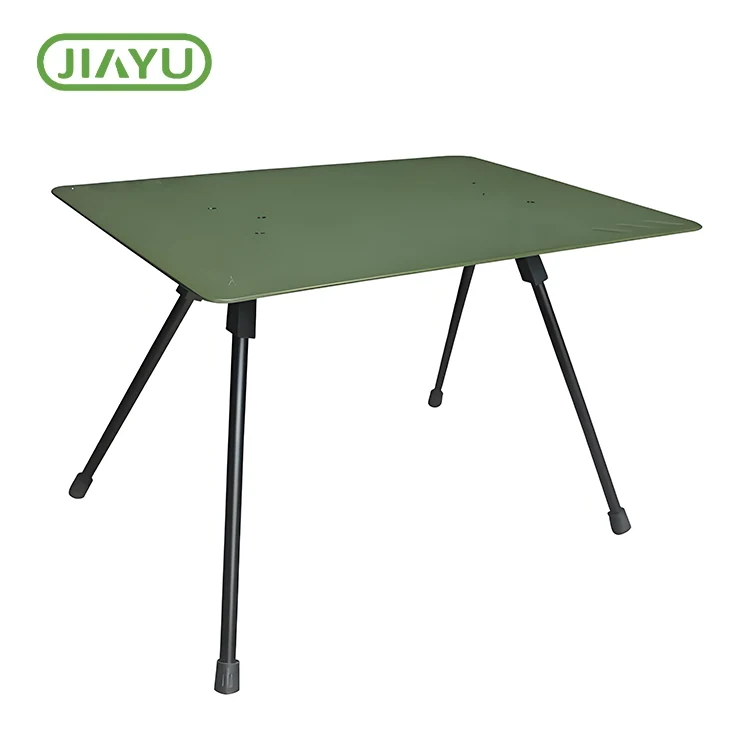
Why Does a Camping Table Feel “Good” on Day One but Annoying by Day Three?
Most frustration happens after the novelty wears off. On longer trips, you start noticing:
- Wobble when you slice food or lean on the edge
- Uneven ground that turns “level” into “tilted chaos”
- Heat and moisture that warp surfaces or make them hard to clean
- Bad packing design that steals trunk space and adds setup time
A Camping Table should reduce work, not add tiny annoyances that pile up. That’s the standard I now use before I buy anything for camp cooking or outdoor coffee breaks.
What Should I Check First When Choosing a Camping Table for Real Use?
When I compare options, I focus on a few “non-negotiables” that affect daily comfort:
- Stability under pressure so it doesn’t twist when I cut, stir, or set down a cooler
- Tabletop material that wipes clean fast and doesn’t absorb smells or stains
- Load capacity that matches how I actually camp, not how brands stage photos
- Height and ergonomics so my back isn’t angry after one meal prep
- Pack size and carry comfort because a bulky table often gets “left at home”
Once these are in place, a Camping Table becomes one of those pieces of gear you stop thinking about, and that’s a compliment.
How Do I Match a Camping Table to My Camp Style Without Overbuying?
I like to match the table to the “main job” it will do. Here’s the way I break it down when helping friends shop:
| How I Camp | What I Need Most | Features I Prioritize | Common Mistake to Avoid |
|---|---|---|---|
| Car camping cooking setup | Stable prep + serving space | Rigid frame, easy-clean tabletop, reliable lock points | Buying ultra-light options that flex under real cooking weight |
| Picnic and beach days | Fast setup and cleanup | Stain resistance, quick fold, comfortable carry | Choosing rough surfaces that trap sand and crumbs |
| Overlanding and gear-heavy trips | Durability over many uses | Scratch resistance, strong joints, dependable hardware | Ignoring long-term wear at hinges and connectors |
| Lightweight weekend getaways | Pack small and deploy quickly | Compact storage, intuitive folding, minimal parts to lose | Picking complicated designs that take longer than your meal |
If you already know your primary use case, you’ll avoid paying for features you’ll never touch, and you’ll end up with a Camping Table that feels “made for you.”
Which Features Actually Solve the Most Common Camping Table Problems?
Here’s the honest list of features that make the biggest difference in day-to-day camp life:
- Anti-wobble structure because even a small shake gets annoying when you’re chopping vegetables
- Secure locking mechanism so the legs don’t slowly shift while you use it
- Scratch- and stain-resistant surface because sauces, oil, and coffee spills will happen
- Heat-aware tabletop design so hot pots don’t leave permanent marks
- Simple folding system that you can handle with cold hands or in low light
When I evaluate a Camping Table, I imagine a windy evening, uneven ground, hungry friends, and a quick cleanup before it gets dark. If the design still makes sense in that scenario, it’s worth considering.
How Can I Tell If a Camping Table Will Stay Stable on Uneven Ground?
This is where a lot of tables fail, especially at campsites where “flat” is basically a myth. I look for:
- Leg geometry that spreads load evenly instead of concentrating weight on a tiny footprint
- Firm joints that don’t rattle or loosen after a few open-close cycles
- Balanced center of gravity so the table doesn’t tip when weight is placed near the edge
- Frame stiffness that resists twisting when one leg is slightly higher than the others
A good test I do at home is simple: I press down on each corner, then push gently from the side. If it feels confident instead of jittery, that’s a Camping Table I’d actually trust with hot food and real gear.
What Makes a Camping Table Easy to Clean When Camp Gets Messy?
Cleanup is where you either love your table or regret it. I prefer surfaces that:
- Wipe clean with a damp cloth without needing special sprays
- Don’t hold onto grease around edges or seams
- Don’t trap crumbs in texture patterns
- Stay looking decent after a few scratches instead of peeling or flaking
In practice, an easy-clean Camping Table saves time, keeps insects away, and makes packing up less stressful. That’s not a small thing at the end of a long day.
How Do I Pick the Right Size Camping Table Without Carrying Too Much Bulk?
I choose size based on the “real footprint” of what I place on it, not the number printed on a listing. Ask yourself:
- Do I cook with a stove plus prep board, or do I mostly snack and pour drinks?
- How many people typically share my setup at once?
- Will this table be used as a kitchen station, a dining table, or both?
If you want one table to do everything, aim for a balanced format that can handle cooking tasks but still packs reasonably. The sweet spot is a Camping Table you’ll bring on most trips because it doesn’t feel like a hassle.
How Does JIAYU Fit Into a Practical Camping Table Setup?
When I’m looking at outdoor gear brands, I care less about buzzwords and more about whether the design feels built around real use. What I like about the way JIAYU approaches outdoor table gear is the focus on everyday usability: stability, efficient folding, and surfaces that make camp meals feel smoother instead of chaotic. If your goal is a Camping Table that supports the rhythm of cooking, serving, and cleaning up outdoors, that design mindset matters.
And yes, I still compare multiple options before buying, but my shortlist always favors tables that behave well in bad conditions, not just perfect weather.
What Are My Go-To Tips for Getting More Value Out of a Camping Table?
- Use a heat pad under very hot cookware to keep the surface looking new
- Bring a small leveling wedge if you camp on rocky or sloped terrain often
- Store it dry after beach or rainy trips to protect joints and hardware
- Wipe it before folding so grit doesn’t grind into moving parts
These habits extend the life of your Camping Table and make setup feel consistently smooth from trip to trip.
Ready to Upgrade Your Next Trip With the Right Camping Table?
If you’re tired of shaky surfaces and messy setups, it’s worth choosing a Camping Table that’s designed for real outdoor routines, not just quick photos. If you want to learn more about JIAYU options and find a table that matches how you actually camp, contact us with your preferred size, use scenario, and packing requirements, and we’ll help you narrow down the best fit.