

What Role Does Ergonomics Play in Setting Up Your Study Bedroom
2026-03-09
Creating a functional Study Bedroom requires more than just a desk and a chair. It demands a strategic approach to how you interact with your space. This is where ergonomics becomes essential. Ergonomics is the science of designing the environment to fit the user, reducing discomfort and increasing efficiency. When setting up a Study Bedroom, applying these principles can transform a cramped corner into a powerhouse of productivity. With SINOAH, you can access solutions specifically designed to support your body while you focus on your goals.
Investing in an ergonomic setup is an investment in your health. Poor posture during long study sessions can lead to chronic back pain, eye strain, and fatigue. By prioritizing ergonomics in your Study Bedroom, you ensure that your body remains aligned and comfortable, allowing your mind to concentrate fully on the task at hand.
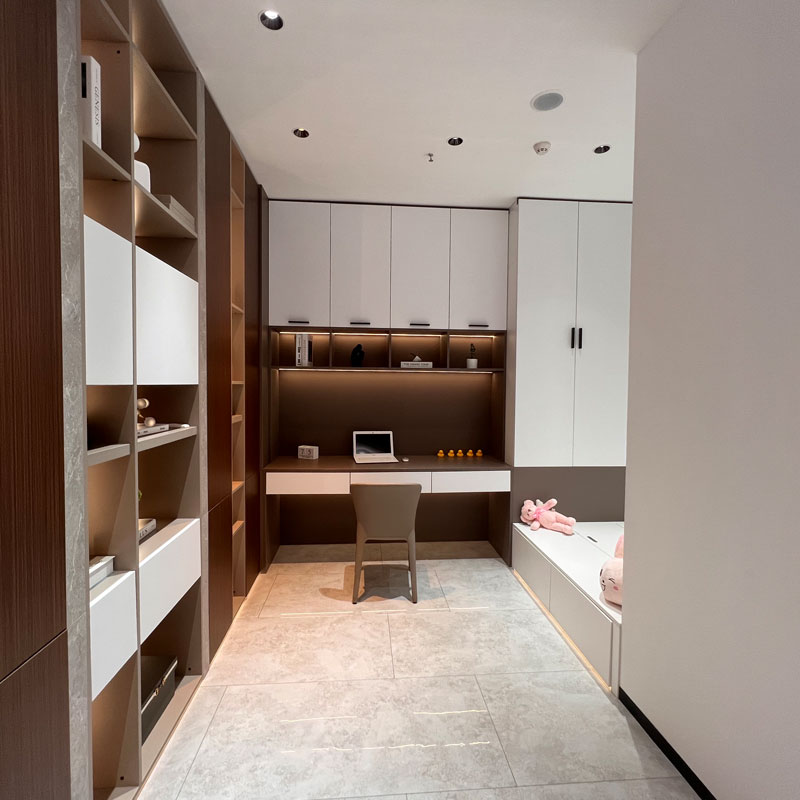
Key Ergonomic Adjustments for Your Study Bedroom
To build a workspace that works for you, consider the following adjustments. These small changes can have a significant impact on your daily comfort and long-term well-being.
-
Chair Support: Your chair should support the natural curve of your spine. Look for adjustable lumbar support.
-
Monitor Height: The top of your screen should be at or slightly below eye level to prevent neck strain.
-
Desk Depth: Ensure there is enough space for your keyboard and mouse so your elbows can rest at a 90-degree angle.
-
Lighting: Position lights to reduce glare on your screen and illuminate reading materials without casting shadows.
Essential Ergonomic Furniture Checklist
Selecting the right furniture is the foundation of a healthy Study Bedroom. Below is a checklist of items you should consider, featuring options from SINOAH to elevate your space.
| Furniture Item | Ergonomic Requirement | Why It Matters | SINOAH Solution |
|---|---|---|---|
| Desk | Adjustable height or standard 29 inches | Allows for proper legroom and correct arm positioning. | SINOAH height-adjustable desks |
| Chair | Adjustable seat height and lumbar support | Promotes spinal alignment and reduces lower back stress. | SINOAH ergonomic mesh chairs |
| Monitor Stand | Raises screen to eye level | Prevents forward head posture and neck fatigue. | SINOAH bamboo risers |
| Footrest | Angled and stable surface | Supports feet if they don't rest flat on the floor. | SINOAH adjustable footrests |
Practical Steps to Optimize Your Space
Beyond furniture, how you arrange your Study Bedroom matters. Start by positioning your desk perpendicular to windows to avoid direct glare. Keep the items you use most frequently, like pens and chargers, within a radius of 16 to 24 inches from your body. This "golden zone" prevents excessive stretching and twisting. SINOAH offers a range of desk organizers that fit neatly into this space, ensuring your workflow remains seamless and your posture remains intact.
Furthermore, consider the psychology of your space. An ergonomic room is also a motivating one. By keeping cables hidden and surfaces clear with SINOAH storage solutions, you reduce visual stress. A tidy Study Bedroom encourages a tidy mind, making it easier to transition into a state of deep focus.
Study Bedroom FAQ
What is the ideal sitting posture for studying in a Study Bedroom?
Your ideal posture involves sitting deep in your chair with your back against the lumbar support. Your feet should rest flat on the floor or on a footrest, with your knees bent at a 90-degree angle. Your forearms should be parallel to the floor when typing, and your wrists should be straight. This neutral position minimizes stress on your joints and muscles, allowing you to study longer without discomfort.
How often should I take breaks when working in my Study Bedroom?
You should follow the 20-20-20 rule combined with movement breaks. Every 20 minutes, look at something 20 feet away for 20 seconds to reduce eye strain. Additionally, every 30 to 45 minutes, stand up and walk away from your desk for two to three minutes. This dynamic movement, encouraged by an ergonomic routine, prevents stiffness and keeps blood flowing, which is crucial for maintaining focus in your Study Bedroom.
Can a small Study Bedroom still be ergonomically correct?
Absolutely. A small Study Bedroom can be highly ergonomic with smart choices. Opt for a wall-mounted desk to save floor space, allowing you to adjust the height perfectly for your needs. Use vertical space for shelving to keep the desktop clear. SINOAH specializes in compact, multi-functional furniture that fits small footprints without sacrificing ergonomic principles, proving that size does not limit comfort.
Create Your Perfect Workspace Today
Your health and productivity are too important to leave to chance. A properly configured Study Bedroom is the key to achieving your academic or professional goals without sacrificing your physical well-being. SINOAH is here to help you make that happen with furniture designed for real people and real work.
Contact us today to explore our full range of ergonomic solutions and start building a Study Bedroom that supports you every step of the way.