

Article Summary: A sofa bed mechanism has to do more than turn a sofa into a sleeping surface. For furniture manufacturers, hotel suppliers and contract furniture buyers, the mechanism must also handle repeated operation, fit the intended frame, maintain comfortable seating, protect users from incorrect operation and remain practical during production and transportation. The New Contract Tri Fold Sofabed Mechanism with Square Tube
addresses these requirements through a three-section folding structure, heavy-duty square-tube construction, breathable multi-deck support and an auto-lock design. This article explains how the mechanism works, where it fits, what manufacturers should check before production and how its design can help solve common sofa sleeper problems.
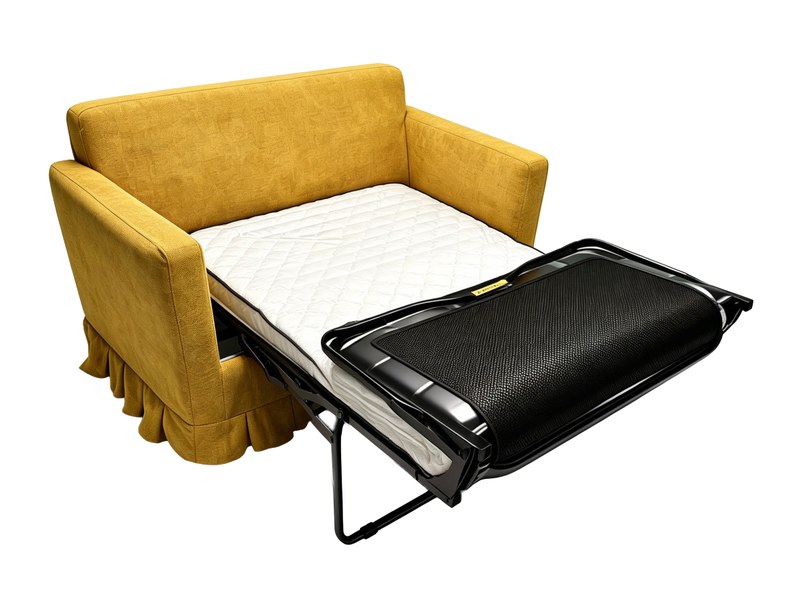
What Is a New Contract Tri Fold Sofabed Mechanism with Square Tube?
A sofa sleeper looks simple from the outside, but the mechanism hidden inside determines much of the furniture's actual performance. It controls how the sofa opens, how the sleeping platform is supported, how the folded sections move and how much space the finished product needs.
The New Contract Tri Fold Sofabed Mechanism with Square Tube is designed around a three-fold configuration rather than the conventional two-fold arrangement. The sleeping surface is divided into three connected sections, allowing the mechanism to fold into the sofa during the day and extend into a larger sleeping surface when required.
For contract furniture, this configuration is particularly useful because the same sofa can serve two purposes without requiring a separate bed. LINKREST describes this mechanism as a heavy-duty solution for hotel furniture, with a fire-proof and breathable multi-deck structure and an auto-lock function intended to prevent incorrect operating steps.
How the Three-Fold Structure Changes Sofa Bed Design
Traditional sleeper mechanisms can create several problems when the folded sections have to share a limited amount of space. A bulky mechanism can increase the required sofa depth, reduce usable seating space or make installation more complicated.
A three-fold mechanism distributes the sleeping platform across three sections. During conversion, the sections unfold progressively rather than relying on a single large movement. This gives furniture designers more flexibility when developing contemporary sofa sleepers.
More usable space inside the sofa
One important consideration is the relationship between the mechanism and the sofa frame. LINKREST's contract tri-fold design is intended to work with relatively narrow mounting space from the rear toward the front board, helping it fit a wider range of sofa styles.
This matters when a manufacturer wants a sofa with slimmer visual proportions. Instead of designing the entire furniture piece around an oversized mechanism, the frame can be developed around the actual movement path of the folding sections.
A different approach to the sleeping surface
Another advantage is mattress support. With three folding sections, the mattress can follow the movement of the mechanism without requiring the same type of central cross-bar arrangement found in some older sleeper designs.
For the end user, that difference can be noticeable. A sofa bed that feels acceptable during occasional use may become uncomfortable when guests use it every night. Removing unnecessary hard contact points from the sleeping area helps manufacturers focus on a smoother, more continuous sleeping surface.
Why Square Tube Construction Matters
The tube profile is not merely a visual detail. It influences how the frame behaves when loads are applied during sitting, opening, closing and sleeping.
The square-tube construction used in this type of contract mechanism provides broad flat surfaces for structural connections and supports a rigid frame layout. For commercial furniture, where the product may be operated by many different users rather than a single household, structural consistency becomes especially important.
LINKREST positions its square-tube tri-fold mechanism as a heavy-duty design for hotel applications. The product is also available in multiple widths, allowing manufacturers to develop different sofa and sleeping configurations around the mechanism.
Where square tube construction can be useful
- Contract sofa sleepers exposed to frequent opening and closing.
- Hotel furniture where different guests operate the mechanism.
- Furniture designs requiring a rigid folding platform.
- Projects where mounting brackets need stable structural interfaces.
- OEM furniture programs where repeatable assembly is important.
How the Mechanism Supports Better Sitting and Sleeping Comfort
Comfort is often treated as a mattress issue, but the mechanism underneath can influence the final result just as much. If the support structure creates hard contact points, uneven transitions or unwanted movement, even a good foam mattress may not feel right.
The tri-fold structure supports a mattress through three folding sections. LINKREST's product information notes that the design avoids the hard cross-bar feeling associated with some bi-fold sleeper constructions. It also allows a relatively thick foam mattress, with the contract model specified for approximately 80–100 mm foam thickness.
This gives furniture designers another way to balance daytime seating with nighttime use. A sofa sleeper does not necessarily need an excessively thick seat cushion if the folded mattress itself contributes to the seating structure.
Comfort considerations for manufacturers
| Design Area | Potential Problem | What to Check |
|---|---|---|
| Mattress | Insufficient thickness or unsuitable foam density | Confirm mattress thickness, flexibility and recovery characteristics |
| Folding sections | Uneven transitions during opening | Check alignment throughout the complete movement cycle |
| Seat cushion | Excessive seat height or poor support | Coordinate cushion thickness with the folded mechanism and mattress |
| Frame | Movement interference | Allow sufficient clearance around moving components |
Why It Fits Contract and Hospitality Furniture
Hotel furniture has a different operating environment from a residential sofa. A residential sofa may be converted once every few weeks. A hotel sofa sleeper can be opened by guests repeatedly, sometimes without any knowledge of how the mechanism should be handled.
That difference changes the engineering priorities. The mechanism needs to be straightforward, durable and forgiving of normal user behavior.
The auto-lock feature is therefore particularly relevant. LINKREST developed a wrong-operation lock so that an incorrect sequence can prevent the mechanism from moving until the correct first step is performed. This type of design is intended to reduce the risk of users forcing the mechanism through an improper movement.
Typical project environments
- Hotel rooms and guest suites
- Serviced apartments
- Student accommodation
- Compact hospitality rooms
- Contract furniture projects
- Residential furniture programs requiring frequent sofa-to-bed conversion
The main value for a furniture buyer is not simply adding a sleeping function. It is creating one piece of furniture that can work effectively in a limited room footprint while remaining practical for manufacturing and daily use.
What Manufacturers Should Check Before Production
A mechanism should not be selected solely from a product photograph. Before approving mass production, the furniture engineering team should verify the relationship between the mechanism and the complete sofa construction.
1. Confirm the mounting width
The distance between the sofa's internal mounting points needs to match the selected mechanism. LINKREST supplies several tri-fold mechanism sizes, including configurations associated with different sofa widths.
2. Check the movement envelope
Measure the space required when the three sections unfold. The front edge, legs, brackets and surrounding frame components should not interfere with one another at any stage of operation.
3. Match the mattress to the mechanism
Mattress thickness affects both sleeping comfort and the folded dimensions of the finished sofa. Do not finalize the mattress after the mechanism has already been fixed into the frame design.
4. Test the complete sofa
A mechanism that works correctly outside the sofa can behave differently after upholstery, cushions, mattress and frame components are installed. A full prototype test should therefore include the actual sofa structure rather than testing the metal assembly alone.
5. Review transportation protection
Moving parts and brackets need adequate protection during shipment. LINKREST specifically advises securing the ear brackets with four wooden screws during transportation to protect the mechanism.
How the Design Helps Manufacturing and Transportation
For furniture manufacturers importing mechanisms in volume, logistics can become almost as important as the mechanism itself. A bulky finished mechanism occupies valuable container space and can increase handling requirements.
LINKREST provides partly assembled tri-fold mechanisms for import customers. According to its product documentation, the KD construction includes side mechanisms, cross tubes, legs, springs, polydeck and associated hardware. Customers can complete assembly using screws and bolts rather than carrying out the riveting process themselves.
This approach can be useful for manufacturers that have their own furniture assembly facilities. Components can be shipped in a more space-conscious configuration and assembled closer to the production stage.
Why this matters for OEM buyers
| Procurement Concern | Potential Benefit of KD Construction |
|---|---|
| Container utilization | More compact mechanism packaging can improve loading efficiency. |
| Warehouse space | Partly assembled components can be easier to store before production. |
| Replacement parts | Individual components can be replaced without necessarily changing the complete mechanism. |
| Local assembly | Manufacturers can integrate mechanism assembly into their existing production process. |
LINKREST also notes that its tri-fold mechanism design allows damaged individual parts to be replaced rather than requiring an entire mechanism to be returned, which can be useful for after-sales service and long-term furniture programs.
Key Features at a Glance
| Feature | What It Means for Furniture Projects |
|---|---|
| Three-fold construction | Creates a practical sofa-to-bed conversion with three connected sections. |
| Square-tube structure | Provides a rigid structural foundation for contract furniture applications. |
| Auto-lock design | Helps prevent incorrect operating sequences in guest-use environments. |
| Foam mattress support | Designed around a relatively thick foam mattress for improved sleeping comfort. |
| Breathable multi-deck | Supports airflow and creates a suitable platform beneath the mattress. |
| Multiple sizes | Allows manufacturers to develop different sofa and sleeping dimensions. |
| KD / partly assembled options | Can simplify shipping, warehousing and final assembly for import customers. |
| Replaceable components | Can make maintenance and after-sales service more manageable. |
The exact mechanism configuration should still be confirmed against the furniture manufacturer's drawings and application requirements. Product dimensions, mattress specifications and mounting details should be checked before production tooling or frame cutting begins.
How to Build a Better Sofa Sleeper Around the Mechanism
The best result comes from treating the mechanism as part of the furniture architecture rather than as a component added at the end of the design process.
- Define the final sofa dimensions first. Establish the target width, depth, seat height and sleeping area.
- Choose the mechanism size. Match the available mounting space with the appropriate mechanism configuration.
- Coordinate the mattress early. Mattress thickness affects folding clearance and final seat proportions.
- Design around moving components. Check brackets, legs and folding sections throughout the entire operating path.
- Build a functional prototype. Test opening, closing, sitting and sleeping conditions before mass production.
- Evaluate transportation. Confirm how the mechanism and completed sofa will be packed, protected and assembled.
- Prepare replacement-part planning. For contract projects, identify commonly replaceable components before products reach the market.
This workflow reduces the chance of discovering a dimensional conflict after upholstery production has already started. It also gives the furniture supplier a clearer basis for discussing customization with the mechanism manufacturer.
Frequently Asked Questions
What is the main purpose of a tri-fold sofa bed mechanism?
A tri-fold mechanism allows a sofa to convert into a sleeping surface through three connected folding sections. It is useful when furniture needs to provide both seating and sleeping functions within a limited footprint.
Why is square tube used in a contract sofa bed mechanism?
Square tube provides a rigid structural framework and stable connection surfaces. It is particularly suitable for furniture designed for frequent operation, including hospitality and contract applications.
Can the mechanism be used for hotel sofa sleepers?
Yes. LINKREST specifically positions this heavy-duty tri-fold mechanism for hotel applications and incorporates features such as an auto-lock design and fire-proof, breathable multi-deck construction.
What mattress thickness is suitable for this mechanism?
The contract model is designed to accommodate approximately 80–100 mm foam mattresses according to LINKREST's published product information. The final mattress specification should always be confirmed with the selected mechanism model and sofa design.
Does a tri-fold mechanism improve sleeping comfort?
The mechanism itself does not determine overall comfort, but its three-section structure can provide a more continuous support arrangement without the same hard cross-bar feeling associated with some traditional bi-fold constructions. Mattress material, thickness, foam density and sofa frame design remain important.
Can the mechanism be shipped partly assembled?
LINKREST offers partly assembled versions for import customers. Its KD construction is designed so that customers can assemble the mechanism using supplied hardware rather than carrying out the complete riveting process themselves.
What information should buyers provide when requesting a quotation?
Buyers should provide the intended sofa width, required sleeping size, mounting dimensions, mattress thickness, application, expected order quantity and any special frame or packaging requirements. Drawings or photographs of the planned sofa frame are also useful for checking compatibility.
Is this type of mechanism suitable for OEM furniture projects?
It can be suitable for OEM projects where the mechanism dimensions, sofa frame and mattress specification are coordinated from the beginning. LINKREST also provides different tri-fold configurations and supports mechanism assembly options for furniture manufacturers.
Planning a New Sofa Sleeper Project?
Choosing the right mechanism at the beginning can save considerable time during frame development, prototype testing and production. If you are developing hotel sofa sleepers, contract furniture or OEM sofa beds, LINKREST can help you review the mechanism size, mounting requirements and application details before production.
Share your sofa dimensions, sleeping size, mattress specification or existing frame drawing with the LINKREST team to discuss the appropriate tri-fold mechanism for your project.
Contact us to discuss your sofa bed mechanism requirements and develop a practical solution for your next furniture project.
Contact Us