

A well-designed cushion can change the way a chair, sofa, office seat, wheelchair, or travel seat feels. The Memory Foam Cushion has become increasingly popular because it combines pressure distribution, supportive cushioning, and adaptable comfort in a compact form.
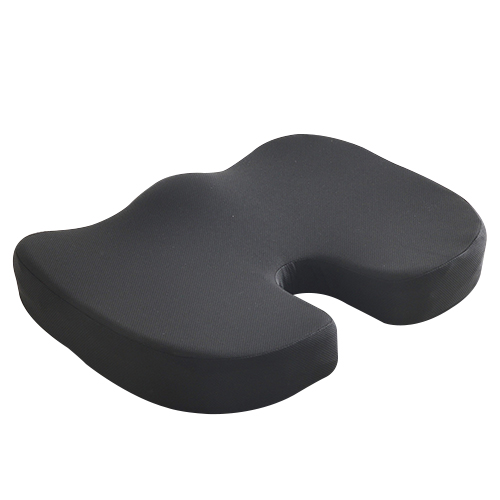
Understanding Memory Foam Cushion Design
Sitting for long periods can expose the body to uneven pressure. A hard chair may feel uncomfortable almost immediately, while an overly soft cushion can compress excessively and provide insufficient support. A Memory Foam Cushion is designed to occupy the space between these two extremes by using viscoelastic foam that responds to pressure and body weight.
Unlike ordinary padding that may simply flatten under load, memory foam is engineered to respond gradually. When weight is applied, the material compresses according to the pressure placed on it. Once the pressure is removed, the foam slowly returns toward its original shape. This behavior allows the cushion to conform more closely to the user's sitting position.
This makes memory foam particularly useful for situations where people remain seated for long periods. Office workers, drivers, travelers, students, home users, and many other consumers may appreciate a surface that feels more supportive than basic flat padding.
How Memory Foam Supports Everyday Comfort
Comfort is highly personal, but the physical principles behind a supportive cushion are relatively consistent. A seat that places too much pressure on a small area can quickly become uncomfortable. Memory foam helps spread the applied load across a broader contact area by allowing the material to conform to the contours of the body.
Pressure Distribution
The primary advantage of memory foam is its ability to distribute pressure. Instead of relying entirely on a rigid seat surface, the foam compresses beneath areas carrying more weight. This can create a more balanced seating surface and reduce the feeling of concentrated pressure.
Body-Conforming Support
A quality cushion should not feel like a solid block. Its ability to adapt to the user's shape can make the seating experience feel more personalized. The foam responds to pressure rather than forcing every user into exactly the same seating position.
Consistent Daily Performance
For everyday users, consistency matters. A cushion that feels comfortable for the first few minutes but quickly bottoms out can become frustrating. Properly selected memory foam provides a balance between cushioning and structural support, helping the seat remain useful during longer sessions.
Key Benefits for Different Users
One reason memory foam cushions have broad appeal is their versatility. The same basic material concept can serve different environments when the cushion dimensions, firmness, cover, and construction are selected appropriately.
- Office users: A supportive cushion can make long periods at a desk more comfortable.
- Drivers: A suitable cushion can improve the feel of firm vehicle seats during extended journeys.
- Travelers: Compact cushions are convenient for airplanes, trains, waiting areas, and temporary seating.
- Home users: Cushions can refresh dining chairs, sofas, reading chairs, and other frequently used seats.
- Hospitality businesses: Comfortable seating accessories can improve the overall guest experience.
- Work environments: Cushions may provide additional comfort where fixed seating cannot easily be replaced.
The most important consideration is not simply finding the thickest or softest cushion. Different applications require different characteristics. A vehicle cushion may prioritize compact dimensions, while a home lounge cushion may prioritize a larger seating surface and a softer feel.
Practical Applications for a Memory Foam Cushion
Office and Workplace Seating
Modern office work often involves many consecutive hours of sitting. Even an ergonomically designed chair may not feel equally comfortable for every person. A Memory Foam Cushion can provide an additional cushioning layer while allowing users to personalize the feel of their existing seat.
Cars, Trucks, and Long-Distance Travel
Vehicle seats can become uncomfortable during long drives, especially when the original seat surface is firm or lacks sufficient cushioning. A portable cushion can be placed on the seat when additional support is needed and removed when it is not.
Home Seating
At home, cushions can be used on dining chairs, wooden chairs, benches, reading chairs, and other seating areas. They can also provide a simple way to refresh an existing seat without replacing the entire piece of furniture.
Travel and Portable Use
Portability is another important advantage. A compact cushion can accompany users between different locations, making it useful for commuting, travel, events, study spaces, and temporary workstations.
Choosing a cushion based only on appearance can lead to disappointment. A better approach is to evaluate the product according to its construction and intended use.
1. Foam Density
Foam density influences the overall feel, durability, and support characteristics of a cushion. Higher density does not automatically mean better comfort for every user, but it can contribute to structural consistency and long-term performance when properly engineered.
2. Cushion Thickness
Thickness affects how much cushioning material separates the user from the underlying seat. A thicker cushion may provide more cushioning, but excessive thickness can change seating height and positioning. The appropriate thickness depends on the chair and the user's requirements.
3. Firmness
Firmness is another major consideration. Very soft foam may feel luxurious initially but may not provide enough support for certain applications. Very firm foam may provide stability but fail to deliver the pressure relief users expect. Balanced firmness is usually the more practical approach.
4. Cover Material
The outer cover affects the cushion's appearance, breathability, durability, and maintenance requirements. Removable covers with practical fastening systems can make regular cleaning much easier.
5. Shape and Dimensions
A cushion should fit the intended seating surface securely. Dimensions that are too small can limit support, while oversized cushions may move or interfere with the chair's design.
Material and Performance Comparison
Different cushion materials behave differently. Understanding these basic differences can make product selection more straightforward.
| Cushion Type | Typical Feel | Pressure Distribution | Shape Adaptability | Common Applications |
|---|---|---|---|---|
| Memory Foam | Supportive and conforming | High | High | Office, home, travel, vehicle seating |
| Standard Foam | Resilient and responsive | Moderate | Moderate | General furniture and basic seating |
| Gel-Infused Cushion | Supportive with a different surface response | High | Moderate to high | Specialized seating and comfort applications |
| Fiber-Filled Cushion | Soft and plush | Moderate | Moderate | Home décor and casual seating |
This comparison does not mean one material is universally superior. The best option depends on the user's comfort expectations, seating environment, duration of use, maintenance requirements, and product dimensions. Memory foam is particularly attractive when conformity and pressure distribution are important priorities.
Common Cushion Problems and Practical Solutions
Problem 1: The Cushion Feels Too Soft
If the cushion compresses too deeply, it may feel as though the user is sitting directly on the underlying chair. Selecting a foam construction with appropriate density and firmness can help provide a better balance between softness and support.
Problem 2: The Cushion Feels Too Firm
A cushion that barely compresses may not deliver the desired pressure distribution. In this situation, a design with a more responsive foam structure or different firmness level may be more suitable.
Problem 3: The Cushion Slides Around
Movement can reduce comfort and become especially inconvenient on smooth chairs. Anti-slip materials, suitable dimensions, straps, or a properly fitted base can help improve stability.
Problem 4: The Cover Is Difficult to Maintain
Everyday cushions are exposed to dust, skin contact, food particles, and general wear. A removable and washable cover can significantly simplify routine maintenance.
Problem 5: The Cushion Does Not Fit the Seat
Even a high-quality cushion may perform poorly if its dimensions do not match the chair. Measuring the seating area before purchase is a simple but important step.
Care and Maintenance Tips
Proper maintenance can help preserve the appearance and performance of a Memory Foam Cushion. While exact care instructions depend on the product's materials and construction, several general practices are useful.
- Follow the manufacturer's cleaning and care instructions.
- Keep removable covers clean according to their recommended washing method.
- Avoid exposing the foam core to unnecessary moisture.
- Allow the cushion to air properly if it becomes damp.
- Keep the cushion away from excessive heat sources.
- Check the cushion periodically for changes in shape, cover condition, or support performance.
- Use the cushion according to its intended load and application.
A Practical Buying Checklist
Before purchasing a Memory Foam Cushion, consider the following points. This simple checklist can help reduce the risk of selecting a product that does not match the intended application.
- Measure the available seating area carefully.
- Identify how many hours the cushion will normally be used each day.
- Consider whether portability is important.
- Evaluate the preferred firmness and support level.
- Check the foam construction and overall product quality.
- Look for a practical and durable outer cover.
- Consider whether the cover can be removed for cleaning.
- Check whether the cushion needs anti-slip features or fastening options.
- Match the cushion design to the chair, vehicle, sofa, or other seating environment.
- Choose a supplier with clear product information and reliable manufacturing capabilities.
Buyers should also think beyond the first impression. A cushion that looks attractive may not necessarily offer the right support. Material construction, dimensions, cover quality, and application-specific design are all important parts of the overall product experience.
Why Zhehe Technology Matters in Cushion Manufacturing
Product quality begins with thoughtful material selection and consistent manufacturing. Zhehe Technology focuses on product development and manufacturing solutions designed around practical user requirements. For customers looking for memory foam cushioning products, attention to construction details can make a meaningful difference in comfort, usability, and long-term satisfaction.
A professional manufacturer should understand that cushioning products are not simply pieces of foam. The foam structure, dimensions, surface materials, stitching, cover design, shape, and intended application all work together to determine the final user experience.
This application-oriented approach is particularly important for customers who require cushions for different environments. Residential seating, office furniture, vehicle interiors, hospitality products, and customized applications can all have different requirements.
For businesses, working with a capable manufacturing partner can also simplify product development and sourcing. Clear specifications, consistent production standards, practical packaging, and responsive communication all contribute to a smoother purchasing experience.
What is a Memory Foam Cushion?
A Memory Foam Cushion is a seating cushion made with viscoelastic foam designed to respond to pressure and conform to the user's body. It is commonly used to improve comfort on chairs, sofas, vehicle seats, and other seating surfaces.
Is memory foam suitable for long periods of sitting?
Memory foam can be suitable for extended sitting because it is designed to distribute pressure and adapt to the body's shape. The actual comfort level depends on foam characteristics, cushion dimensions, firmness, seating position, and individual preference.
Can a Memory Foam Cushion be used in a car?
Yes. Many memory foam cushions are suitable for vehicle seating when their size, thickness, and design are compatible with the vehicle seat. Buyers should ensure that the cushion does not interfere with safe driving or the normal operation of vehicle controls.
Does a thicker cushion always provide more comfort?
Not necessarily. Thickness is only one part of cushion performance. Foam density, firmness, shape, dimensions, and the underlying seat all affect the final experience. Excessive thickness can also change seating height and positioning.
How should a memory foam cushion be cleaned?
Cleaning methods depend on the product construction. In general, removable covers should be cleaned according to their care instructions, while the foam core should be protected from excessive moisture and harsh cleaning methods unless specifically approved by the manufacturer.
Can memory foam cushions be customized?
Depending on the manufacturer and product design, customization may include dimensions, thickness, foam characteristics, cover materials, colors, shapes, packaging, and other specifications. Customers with specialized requirements should provide detailed application information when discussing customization.
What should buyers check before ordering a cushion?
Buyers should check dimensions, intended application, foam characteristics, firmness, cover material, maintenance requirements, stability, and overall product construction. Clear communication with the manufacturer is particularly important for customized or bulk orders.
A comfortable seat does not have to mean replacing an entire chair or furniture system. A thoughtfully designed Memory Foam Cushion can provide a practical way to improve an existing seating surface while offering better pressure distribution and a more adaptable feel.
The most successful choice starts with understanding the application. Consider the amount of daily use, desired firmness, cushion dimensions, cover construction, portability, cleaning requirements, and the characteristics of the underlying seat. These details are more meaningful than choosing a cushion based solely on appearance or thickness.
For consumers and businesses alike, reliable manufacturing is equally important. A well-constructed cushion should bring together appropriate materials, careful dimensions, practical design, and consistent production. With the right specifications and a capable manufacturing partner, a simple cushion can become a valuable upgrade for everyday comfort.
Looking for a Reliable Memory Foam Cushion Solution?
Whether you need cushions for home seating, office applications, vehicle interiors, travel products, or a customized project, Zhehe Technology can help you explore a suitable solution based on your product requirements.
Share your application, dimensions, material preferences, and quantity requirements with our team to discuss the right product direction. Contact us today and let Zhehe Technology help you build a more comfortable and practical cushioning solution.