

Large Memory Foam Dog Bed products are designed to provide larger dogs with a spacious and supportive place to rest. However, choosing the right bed involves more than simply selecting the largest size available. Foam construction, thickness, sleeping area, cover material, cleaning convenience, entry height, and base stability can all affect how well a dog bed performs in daily use.
For large and giant breeds, these details become particularly important because greater body weight places more pressure on the sleeping surface. A bed that looks thick and comfortable may still compress too much, provide insufficient usable space, or become difficult to clean after extended use.
This guide explains the main factors buyers should consider when evaluating a large memory foam dog bed, from foam construction and sizing to cover design, maintenance, customization, and wholesale sourcing.
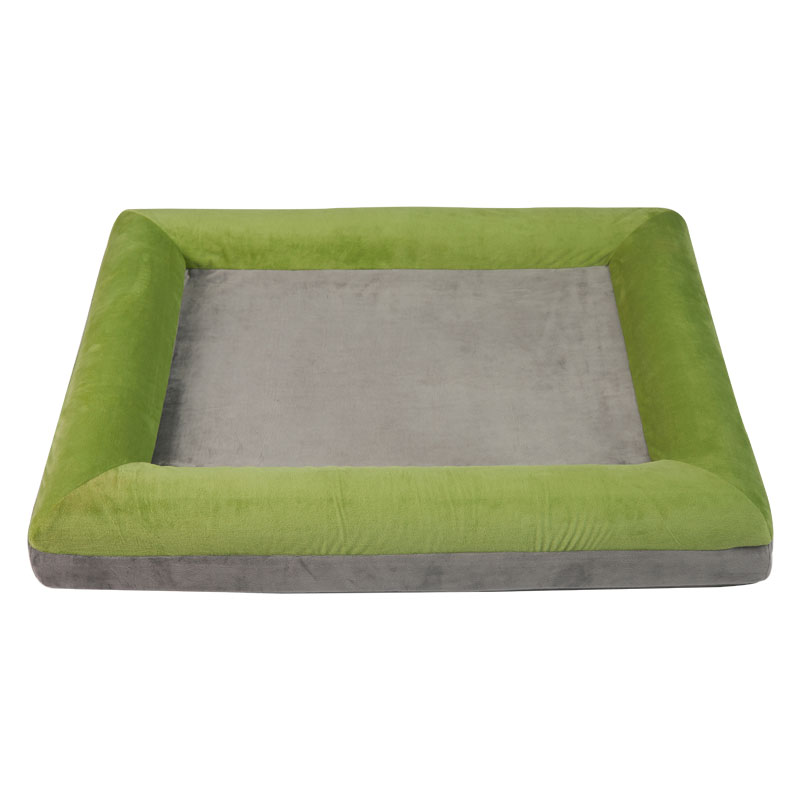
What Is a Large Memory Foam Dog Bed?
A large memory foam dog bed is a sleeping surface designed around memory foam or a multi-layer foam construction and sized for larger dogs. Memory foam responds to body pressure by gradually conforming to the shape placed on it, creating a more contoured sleeping surface than many conventional fiber-filled cushions.
That does not mean every bed containing memory foam will perform in the same way. Foam thickness, density, layering, overall dimensions, cover construction, and base support all influence the final product. For a large dog, the internal construction becomes especially important because greater body weight can cause an underspecified cushion to compress much faster.
The important point is simple: a large dog bed should be evaluated according to its complete construction rather than the words "memory foam" alone. The foam needs to provide enough support while the outer structure needs to remain practical for everyday use.
What Large Dogs Need From a Dog Bed
A large dog places substantially more weight on its sleeping surface than a small dog. As a result, the same foam construction can feel very different depending on the size and weight of the animal using it.
Enough Sleeping Space
A dog should have enough usable space to lie down naturally and change positions. This is particularly important for dogs that prefer to sleep stretched out. Buyers should look at the internal sleeping dimensions rather than relying only on the advertised external dimensions.
Consistent Support
Large dogs need a bed that can handle repeated compression without allowing the body to sink directly onto the floor. A layered foam construction may provide a useful balance between a comfortable upper surface and a firmer supporting base.
Easy Access
Some large dogs, particularly older dogs, may find a very tall bed difficult to enter. A lower front edge can make access easier while still allowing raised sides around the rest of the sleeping area.
Stable Positioning
A large dog can easily move a lightweight bed across smooth flooring when getting on or off. A non-slip bottom can help keep the product in position and reduce unnecessary movement.
Simple Maintenance
Large dogs can bring in dirt, hair, moisture, and outdoor debris. A removable and washable cover makes regular cleaning significantly easier and can extend the practical service life of the product.
How Memory Foam Construction Affects Support
Memory foam should be considered as part of a complete construction rather than as a standalone specification. Two large memory foam dog beds can have noticeably different support characteristics even when they use the same general material category.
| Construction Type | Typical Characteristics | Important Specification |
|---|---|---|
| Single memory foam layer | Simple structure with a contoured feel | Foam thickness and density |
| Memory foam + support foam | Soft upper layer combined with firmer structural support | Layer thickness and firmness |
| Convoluted foam | Shaped surface with cushioning and potential airflow benefits | Foam profile and compression resistance |
| Shredded foam | Flexible filling with a softer, nest-like feel | Filling distribution and recovery |
Foam density can be useful when comparing products, but it should not be treated as the only measure of quality. Thickness, foam composition, construction method, cover design, and the intended dog weight all need to be considered together.
For large dogs, one of the most important practical questions is whether the foam maintains enough resistance under sustained pressure. A bed that feels extremely soft when pressed by hand may behave differently when supporting a much heavier body for several hours.
How to Measure the Right Bed Size
Choosing the correct size starts with the individual dog rather than the breed name. Dogs within the same breed can vary considerably in body length, weight, sleeping position, and preferred amount of personal space.
Measure the dog while it is lying in its natural sleeping position. If the dog regularly stretches out, use that extended body length as the starting point. Additional space should be allowed for changing positions and moving around the sleeping surface.
| Sleeping Style | Bed Design Consideration |
|---|---|
| Stretches out completely | Prioritize a long and wide mattress surface |
| Sleeps curled up | A compact sleeping area with supportive edges may work |
| Changes positions frequently | Allow additional space around the normal resting position |
| Large, thick-coated dog | Provide sufficient room so the body does not extend beyond the edges |
| Dog with limited mobility | Combine sufficient sleeping space with an accessible entry |
Remember the difference between outer and inner dimensions. A bed with thick bolsters may have a large external footprint while offering a much smaller usable mattress. Internal sleeping dimensions are the more meaningful measurement for the dog.
Which Materials Matter Beyond the Foam?
The foam determines much of the cushioning experience, but the surrounding materials influence durability, hygiene, appearance, and ease of maintenance.
Removable and Washable Cover
A removable cover is especially useful for large dogs because frequent cleaning is often necessary. Buyers should check how easily the cover can be removed and whether the washing instructions are suitable for their intended use.
Protective Inner Liner
Memory foam can be difficult to clean if liquid reaches the interior. A water-resistant or waterproof liner can provide an additional barrier and reduce the risk of moisture reaching the foam.
Durable Upholstery Fabric
The appropriate fabric depends on the application. A home-use product may prioritize softness and appearance, while commercial pet facilities may require greater abrasion resistance and easier maintenance.
Non-Slip Bottom
A non-slip base helps reduce sliding on smooth floors. This is particularly useful for larger dogs because their body weight and movement can easily push a lightweight bed across tile, wood, or other hard surfaces.
Reliable Seams and Zippers
Large dogs place additional stress on seams when climbing onto the bed, turning around, or getting up. Reinforced stitching and reliable zipper construction can therefore contribute to long-term usability.
How to Keep a Large Memory Foam Dog Bed Clean
Cleaning requirements should be considered before purchasing a large dog bed. Because the product is physically large, washing and drying can be more difficult than with a small cushion.
- Remove loose hair first. Vacuum or brush the cover before washing.
- Follow the care instructions. Fabric, stitching, and zipper construction can have different washing requirements.
- Protect the foam. Avoid unnecessary exposure to water and use a protective liner where available.
- Dry the cover completely. A damp cover can contribute to unpleasant odors.
- Inspect the foam. Look for permanent compression, uneven areas, cracks, or changes in shape.
- Clean underneath the bed. Hair and dust can accumulate beneath large beds that remain in one position.
A washable cover is particularly valuable for large dog beds because replacing or deep-cleaning the entire product is considerably less convenient than removing a fabric cover and washing it separately.
Common Buying Mistakes to Avoid
Choosing Softness Instead of Support
A soft surface can feel comfortable to the hand but may compress excessively under a large dog's body. Comfort and support should therefore be evaluated together.
Relying Only on Breed Size
Breed recommendations are useful as a starting point, but actual body dimensions and sleeping habits provide a more accurate basis for selecting the bed size.
Ignoring the Usable Sleeping Area
Large bolsters can significantly reduce the available mattress area. Buyers should compare the dog's body dimensions with the actual internal sleeping surface.
Assuming More Thickness Always Means Better Performance
A thicker bed is not automatically a better bed. Foam density, layering, composition, and compression resistance all influence how the product behaves under load.
Overlooking Heat Retention
Some dense foam constructions can retain heat. Cover fabric, ventilation, room temperature, and the dog's coat all influence how warm the sleeping surface feels.
Choosing a Tall Bolster Without Considering Accessibility
Raised sides can provide a comfortable headrest, but they also consume sleeping space and may make entry harder for dogs with limited mobility.
Large Memory Foam Dog Bed Checklist
For buyers comparing several products, the following checklist can make specifications easier to evaluate.
| Feature | What to Check | Practical Purpose |
|---|---|---|
| Foam construction | Layer structure and foam specifications | Helps evaluate support and compression behavior |
| Foam thickness | Suitable depth for the intended dog size | Helps reduce bottoming out |
| Internal sleeping area | Enough space for stretching and repositioning | Improves everyday comfort |
| Cover | Removable and washable construction | Simplifies routine cleaning |
| Inner liner | Water-resistant or waterproof protection | Helps protect the foam |
| Bottom | Non-slip construction | Reduces movement on smooth floors |
| Entry height | Low-access design when required | Makes entry and exit easier |
| Fabric durability | Appropriate material and reinforced seams | Supports repeated daily use |
Where Zhehe Fits Into Large Dog Bed Supply
For distributors, retailers, pet-product brands, and other commercial buyers, a large memory foam dog bed is more than a comfort accessory. Foam construction, dimensions, fabric selection, packaging, customization, and product presentation all influence the final product and its suitability for a particular market.
Zhehe provides pet-product solutions for buyers looking at practical dog-bed configurations and customized supply requirements. When developing a large dog bed for a private-label or OEM project, it is useful to define the target dog size, internal sleeping dimensions, foam structure, cover fabric, color, logo placement, packaging format, and expected order quantity before production.
A detailed product specification also makes supplier communication more efficient. Instead of simply requesting a "large memory foam dog bed," buyers can specify the desired dimensions, foam layers, fabric, zipper type, non-slip base, liner, packaging, branding, and market requirements.
For OEM sourcing, details matter. Products with the same general name can have very different foam structures, materials, dimensions, and construction standards. A clear specification allows buyers to compare quotations based on the actual product rather than the product name alone.
Frequently Asked Questions About Large Memory Foam Dog Beds
Memory foam can be suitable for large dogs when the bed has sufficient thickness, appropriate foam construction, and enough usable sleeping space. The foam material itself should not be considered the only indicator of suitability.
There is no universal thickness suitable for every large dog. Heavier dogs generally require a more substantial support structure. Thickness should be evaluated together with foam density, layering, composition, and the dog's body weight.
A bolster can provide a useful place for a dog to lean or rest its head. However, it also reduces the available sleeping area and may make access more difficult for dogs with mobility limitations.
The best starting point is the dog's actual body dimensions and sleeping position. Measure the dog while it is fully stretched and compare that measurement with the internal sleeping area of the bed.
Some dense foam structures can retain heat. Cover fabric, room temperature, airflow, coat thickness, and the dog's individual preferences all influence the final sleeping experience.
Yes. Large dogs can shed hair, bring in dirt, drool, and occasionally have accidents. A removable washable cover makes routine cleaning considerably easier and helps keep the sleeping environment more hygienic.
Memory foam describes a type of foam material, while orthopedic generally describes the support purpose or construction of the bed. A product may use memory foam as part of an orthopedic-style construction, but the two terms are not interchangeable.
Many suppliers provide customization options such as dimensions, fabrics, colors, logos, packaging, and internal construction. For OEM projects, buyers should confirm specifications, sample procedures, minimum order quantities, production lead times, and packaging requirements before placing an order.
If a dog suddenly has difficulty lying down, repeatedly changes position, struggles to get up, limps, or shows signs of pain, changing the bed should not replace professional veterinary evaluation. A suitable bed can improve the resting environment, but it is not a medical treatment.
Looking for a Large Memory Foam Dog Bed Supplier?
If you are sourcing large memory foam dog beds for wholesale distribution, retail, private-label, or OEM projects, the right product starts with a clear understanding of the intended dog size, usage environment, construction, and market requirements.
Share your preferred dimensions, foam structure, cover material, color, logo requirements, packaging details, target quantity, and destination market with Zhehe. The product specification can then be developed around your actual sourcing requirements.
Contact us to discuss your large memory foam dog bed project and request product information, customization details, or a quotation.