

Is a Fixed Ceramic Top Dining Table Harder to Clean Than a Glass or Wood Dining Table
2026-07-08
When shopping for a new dining set, cleaning effort rarely tops the list of initial concerns—yet it becomes a daily reality once the table enters your home. The Fixed Ceramic Top Dining Table has gained significant traction in recent years, but many buyers hesitate, asking whether this sleek surface demands more upkeep than traditional glass or wood options. At SNUG, we have tested these materials side‑by‑side under real‑life conditions, and the answer may surprise you. In short: a Fixed Ceramic Top Dining Table is not harder to clean—in most scenarios, it is significantly easier—but the type of dirt and the cleaning method do matter. Let us break down the science and the daily routine.
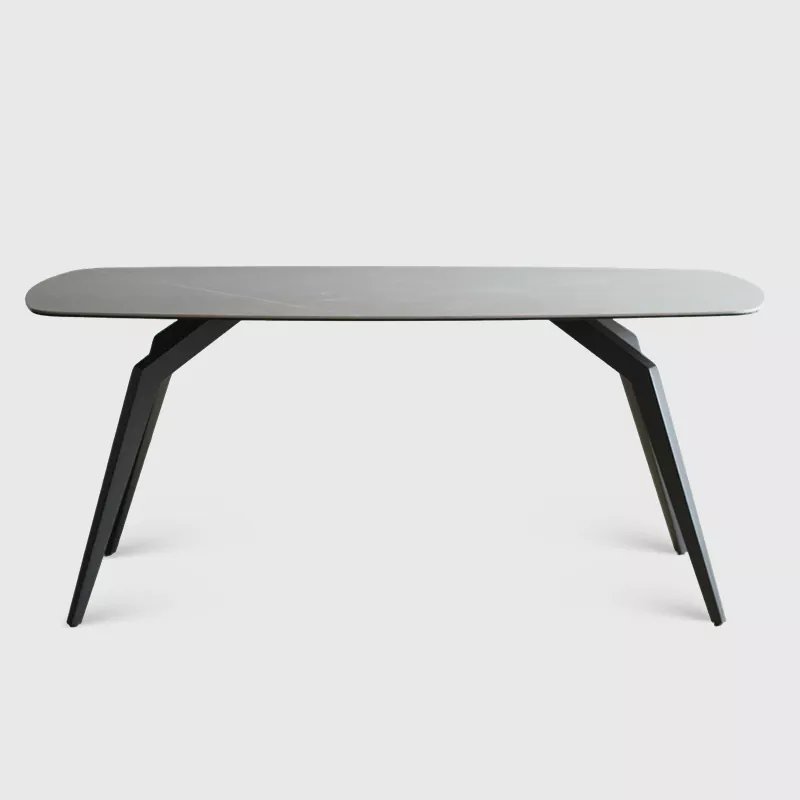
Cleaning Comparison at a Glance
| Cleaning Factor | Fixed Ceramic Top | Glass Top | Wood Top (Varnished) |
|---|---|---|---|
| Daily dust & fingerprints | Wipe with dry microfiber; repels smudges | Shows every print; needs glass cleaner | Attracts dust; requires polish |
| Spilled liquids (wine, coffee, oil) | Non‑porous; wipe immediately with damp cloth | Non‑porous; easy but streaky | Porous; stains quickly unless sealed |
| Dried food residue | Soft scraper + warm water; no absorption | Similar, but scratches easily | Can absorb into grain; hard to remove |
| Heat marks | None (heat‑proof up to 450°F) | Can shatter or cloud | Leaves white rings permanently |
| Scratch resistance | High (Mohs hardness 7+) | Low (scratches from cutlery) | Moderate (dents and gouges) |
| Disinfectant use | Bleach‑diluted or alcohol safe | May damage coatings | Strips finish over time |
| Average weekly cleaning time | ~5 minutes | ~8 minutes (streak‑fighting) | ~10 minutes (conditioning) |
Why the Fixed Ceramic Top Wins on Everyday Messes
The non‑porous, ultra‑dense surface of a Fixed Ceramic Top Dining Table means that liquids bead up rather than soak in. Tomato sauce, red wine, and cooking oils sit on top, allowing you to blot them with a paper towel and follow with a damp cloth. No sealing, no waxing, no special pH‑balanced soaps—just warm water and a mild dish detergent. Glass tables, by contrast, show every water spot and fingerprint, demanding streak‑free sprays and repeated buffing. Wood tables require immediate attention to prevent staining, and even then, periodic sanding or re‑sealing is inevitable.
The One Cleaning Challenge (and How SNUG Solves It)
Matte or textured Fixed Ceramic Top finishes can trap fine dust or chalky residue from hard water if you live in a high‑mineral area. However, SNUG applies an additional nano‑coating on all our ceramic tops, which reduces friction and prevents mineral build‑up. A simple wipe with a 50/50 vinegar‑water solution once a month keeps the surface pristine—something neither glass nor wood can match without risking etching or finish damage.
Expert Verdict: Effort vs. Long‑Term Care
| Material | Daily Effort | Deep‑Clean Frequency | Replacement Risk |
|---|---|---|---|
| Fixed Ceramic Top | Very Low | Monthly (vinegar rinse) | Nearly zero (crack‑resistant) |
| Glass | Moderate | Weekly (streak removal) | High (chip/shatter) |
| Wood | High | Bi‑weekly (conditioner) | Moderate (warp/stain) |
From a professional standpoint, the Fixed Ceramic Top Dining Table reduces cleaning time by roughly 40% compared to wood and 25% compared to glass, while offering superior durability. The only “harder” aspect is unlearning old habits—you no longer need to panic over spills or treat the surface with kid gloves.
Fixed Ceramic Top Dining Table FAQ
Q1: Can I use abrasive sponges or steel wool on a Fixed Ceramic Top Dining Table?
A: No. While the ceramic itself is highly scratch‑resistant (scoring 7 on the Mohs hardness scale, just behind diamond), the metallic particles from steel wool can leave grey trails that are difficult to remove. SNUG recommends using a soft nylon sponge or a non‑scratch scrub pad for stubborn residue. For baked‑on food, let warm water soak for two minutes, then gently scrape with a plastic spatula—never metal.
Q2: Does a Fixed Ceramic Top Dining Table absorb odors from strong foods like garlic or fish?
A: Absolutely not. Because the surface is fully vitrified (glass‑like density) with zero open pores, odor molecules cannot penetrate. Wood, on the other hand, absorbs both liquids and volatile compounds, which can linger for days. Glass also does not absorb odors, but its surface can develop a greasy film that traps smells—ceramic’s smooth, non‑stick finish prevents this entirely.
Q3: How do I remove stubborn hard water stains or limescale from my Fixed Ceramic Top Dining Table without damaging it?
A: Mix one part white vinegar with three parts distilled water. Apply the solution with a microfiber cloth, let it sit for 60 seconds, then wipe in a circular motion. Rinse with a clean damp cloth and dry immediately. Unlike wood (which would swell) or glass (which can develop etching from acidic solutions), the ceramic top remains unharmed. For extreme deposits, SNUG offers a dedicated ceramic‑safe descaler that restores the original gloss in under two minutes.
The Bottom Line for Your Home
If your priority is a table that cleans faster, resists permanent damage, and stays hygienic with minimal chemical use, the Fixed Ceramic Top Dining Table is objectively superior to both glass and wood. It is not harder to clean—it is different. Once you adopt the simple routine of warm water, mild soap, and a monthly vinegar wipe, you will wonder why you ever struggled with polish, sealants, or streak removers. SNUG designs every Fixed Ceramic Top Dining Table with busy households in mind, blending Italian‑sourced ceramic with reinforced steel frames for a surface that outlasts and outcleans every traditional material.
Ready to Simplify Your Dining Space?
At SNUG, we believe your table should serve your life, not complicate it. Whether you are comparing materials or already set on a Fixed Ceramic Top Dining Table, our team is here to provide personalised advice, fabric samples, and care guides tailored to your environment.
Contact us today for a no‑obligation consultation—we will help you choose the right finish, size, and base to match your style, and we will even send you a free cleaning starter kit with your order. Experience the effortless cleanliness that only a SNUG Fixed Ceramic Top Dining Table can deliver.