

How to Choose a Rubber Yoga Mat?
2026-02-11
Abstract
A rubber yoga mat is a foundational piece of equipment for practitioners seeking stability, comfort, and durability during yoga, Pilates, and functional training. However, many users struggle with issues such as slipping, unpleasant odors, rapid wear, or inadequate cushioning. This article provides a comprehensive guide on how to choose a rubber yoga mat by examining material performance, grip characteristics, thickness options, maintenance considerations, and long-term value. The goal is to help users make an informed decision that aligns with their practice intensity, environment, and personal comfort requirements.
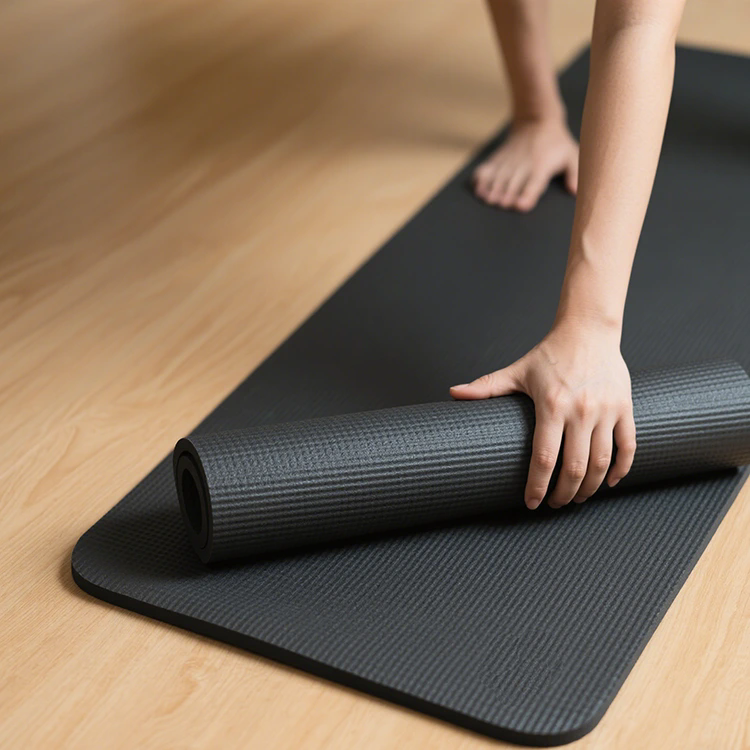
Table of Contents
- Article Outline
- What Is a Rubber Yoga Mat?
- Common User Pain Points
- Key Factors When Choosing a Rubber Yoga Mat
- Rubber Yoga Mat Specifications Overview
- Usage Scenarios and Recommendations
- Care and Maintenance Guidelines
- Frequently Asked Questions
- Conclusion and Contact
Article Outline
- Definition and characteristics of rubber yoga mats
- Typical problems faced by yoga practitioners
- Performance indicators such as grip, thickness, and resilience
- Comparison of technical parameters
- Practical usage guidance for different user groups
- Cleaning and longevity considerations
What Is a Rubber Yoga Mat?
A rubber yoga mat is manufactured primarily from natural rubber or blended rubber compounds. Unlike PVC or foam-based alternatives, rubber mats are known for their high-density structure, superior traction, and stable surface contact with the floor. These properties make them particularly suitable for dynamic yoga styles where balance and grip are critical.
Natural rubber mats are often favored for their elastic response and ground connection, helping practitioners maintain posture alignment and reduce micro-slippage during transitions. This material category is commonly used in professional studios and by experienced practitioners who prioritize performance consistency.
Common User Pain Points
- Slipping during practice: Insufficient surface friction can disrupt poses and increase injury risk.
- Joint discomfort: Mats with inadequate thickness may lead to pressure on knees, wrists, and elbows.
- Short lifespan: Low-density materials tend to crack, peel, or deform over time.
- Odor issues: Poor-quality rubber may emit strong smells that persist after unpacking.
- Maintenance difficulty: Some mats absorb sweat and are hard to clean effectively.
Key Factors When Choosing a Rubber Yoga Mat
Material Composition
High-quality rubber yoga mats typically use natural rubber as the base material. This ensures elasticity, strong rebound, and consistent grip. Blended rubber options may improve cost efficiency but should be evaluated for surface stability and resilience.
Grip Performance
Grip is one of the most critical selection criteria. A well-designed rubber yoga mat maintains traction even during intense sessions involving perspiration. Textured surfaces and open-cell rubber structures enhance contact friction without becoming abrasive.
Thickness and Density
Thickness affects both comfort and balance. Mats that are too thin may cause joint strain, while overly thick mats can compromise stability. Density is equally important, as higher density provides support without excessive compression.
Environmental Adaptability
Rubber mats perform reliably on various floor types, including wood, tile, and concrete. Their weight and underside texture reduce unwanted movement, making them suitable for home studios and commercial environments.
Rubber Yoga Mat Specifications Overview
| Parameter | Typical Range | User Benefit |
|---|---|---|
| Material | Natural Rubber / Rubber Blend | Enhanced grip and durability |
| Thickness | 3 mm – 5 mm | Balance between comfort and stability |
| Density | High-density structure | Long-term shape retention |
| Surface Texture | Micro-textured or patterned | Improved traction in dynamic poses |
| Weight | 2.0 – 3.5 kg | Reduced floor slippage |
Usage Scenarios and Recommendations
For beginners, a medium-thickness rubber yoga mat provides a stable foundation while minimizing joint stress. Intermediate and advanced practitioners may prefer thinner options that enhance ground feedback and balance control.
In hot yoga or power yoga settings, rubber mats are especially effective due to their moisture-responsive grip. For studio owners, investing in durable rubber mats reduces replacement frequency and ensures consistent user experience.
Care and Maintenance Guidelines
- Wipe the mat after each session using a damp cloth.
- Allow the mat to air dry completely before rolling.
- Avoid prolonged exposure to direct sunlight.
- Use mild, non-corrosive cleaning solutions only.
Proper maintenance preserves surface texture and prevents odor buildup, extending the usable life of the mat.
Frequently Asked Questions
Is a rubber yoga mat suitable for daily practice?
Yes. High-density rubber yoga mats are designed to withstand frequent use while maintaining grip and structural integrity, making them suitable for daily sessions.
Does rubber material cause allergic reactions?
Natural rubber contains latex proteins that may affect sensitive users. Those with known allergies should confirm material composition before use or consider coated rubber surfaces.
How long does a rubber yoga mat typically last?
With proper care, a quality rubber yoga mat can maintain performance for several years, even under intensive practice conditions.
Conclusion and Contact
Choosing the right rubber yoga mat requires careful evaluation of material quality, grip performance, thickness, and maintenance needs. A well-selected mat enhances stability, protects joints, and supports consistent practice across various environments.
For users and businesses seeking reliable rubber yoga mat solutions, SH33TS offers thoughtfully engineered options designed to meet practical training demands. To explore suitable products or request detailed specifications, contact us today and connect with a team dedicated to long-term performance and user satisfaction.