

How Is a Large Memory Foam Dog Bed Designed for Modern Canine Living?
2025-12-23
Article Abstract
A Large Memory Foam Dog Bed is engineered to support the physical and behavioral needs of medium to extra-large dogs in domestic environments. This article provides a structured and in-depth explanation of how this type of dog bed is constructed, how memory foam functions in canine rest applications, and how product parameters align with orthopedic support, durability, hygiene, and indoor usability. The discussion is organized into four core content nodes, supported by technical specifications, practical use cases, and frequently asked questions. The objective is to offer a clear, search-optimized reference for buyers, distributors, and pet care professionals seeking reliable information on large-format memory foam dog beds.
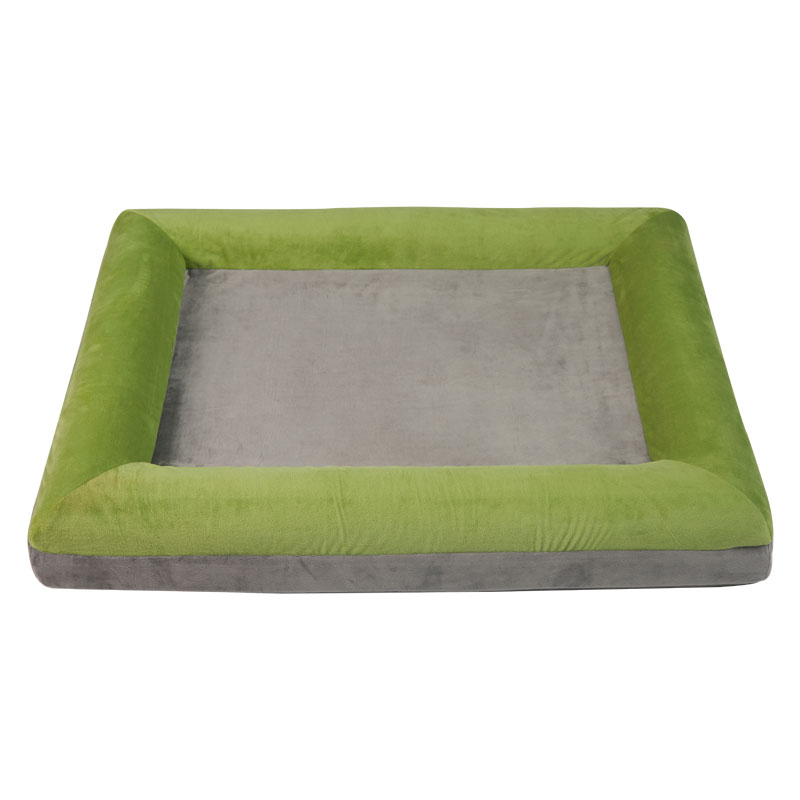
Table of Contents
- How Does a Large Memory Foam Dog Bed Work Structurally?
- How Should a Large Memory Foam Dog Bed Be Evaluated by Size and Parameters?
- How Is a Large Memory Foam Dog Bed Used Across Daily Scenarios?
- How Are Large Memory Foam Dog Beds Evolving in the Pet Care Market?
- Large Memory Foam Dog Bed FAQs
- References
Outline
- Structural composition and material logic
- Product sizing, density, and technical parameters
- Usage scenarios and maintenance considerations
- Market evolution and design direction
How Does a Large Memory Foam Dog Bed Work Structurally?
A Large Memory Foam Dog Bed is built around viscoelastic polyurethane foam, a material originally developed for pressure redistribution applications. When adapted for canine rest, memory foam responds to body heat and weight, allowing the surface to contour precisely to a dog’s skeletal structure. This reduces peak pressure points around joints such as hips, elbows, and shoulders.
The internal structure typically consists of a single solid slab or a layered foam system. In large-format beds, structural integrity is critical, as heavier dogs require consistent load-bearing performance without bottoming out. High-density memory foam is therefore selected to maintain shape recovery while providing gradual sink-in support.
Encasement design also plays a role. A well-designed Large Memory Foam Dog Bed incorporates a removable outer cover, often using tightly woven polyester or blended fabrics. These covers act as a barrier against moisture, hair accumulation, and surface abrasion while allowing airflow to manage heat retention.
How Should a Large Memory Foam Dog Bed Be Evaluated by Size and Parameters?
Evaluating a Large Memory Foam Dog Bed requires attention to both dimensional suitability and material specifications. Dogs classified as large or extra-large exhibit varying sleep postures, including full lateral extension and curled resting. Bed dimensions must accommodate these behaviors without restricting movement.
From a technical perspective, foam density and thickness determine performance longevity. Beds designed for larger dogs generally exceed standard foam density thresholds to prevent premature compression.
| Parameter | Specification Range |
|---|---|
| Overall Size | XL to XXL formats suitable for dogs over 25 kg |
| Foam Thickness | 7–12 cm orthopedic-grade memory foam |
| Foam Density | 40–60 kg/m³ high-resilience viscoelastic foam |
| Cover Material | Durable polyester or blended fabric with zipper closure |
| Base Layer | Anti-slip or reinforced backing for indoor stability |
These parameters collectively determine whether a Large Memory Foam Dog Bed can deliver consistent support over extended use cycles, particularly in multi-dog households or professional environments.
How Is a Large Memory Foam Dog Bed Used Across Daily Scenarios?
In residential settings, a Large Memory Foam Dog Bed is commonly placed in living rooms, bedrooms, or dedicated pet zones. Its low-profile design allows easy access for older dogs while maintaining sufficient cushioning for prolonged rest periods.
In colder climates, memory foam retains warmth, making it suitable for draft-prone flooring such as tile or concrete. In warmer regions, breathable covers and foam formulations with open-cell structures help mitigate heat buildup.
Maintenance routines typically involve regular cover removal and machine washing. Foam cores are not submerged but may be spot-cleaned and aired out to preserve material integrity. Proper care extends the service life of the bed and maintains hygiene standards.
How Are Large Memory Foam Dog Beds Evolving in the Pet Care Market?
The pet sleep product category continues to align with broader trends in human home furnishings. Large Memory Foam Dog Beds are increasingly designed to integrate visually with modern interiors, favoring neutral colors and minimalist profiles.
Material innovation is also shaping future development. Manufacturers are exploring plant-based foams, enhanced recyclability, and improved pressure-mapping technologies. These changes reflect growing consumer awareness of sustainability and long-term value.
Customization is another emerging direction. Modular sizing, interchangeable covers, and adjustable foam layers allow a single Large Memory Foam Dog Bed platform to adapt to different dog sizes and life stages.
Large Memory Foam Dog Bed FAQs
Q: How does memory foam differ from standard dog bed filling?
A: Memory foam responds to weight and temperature, contouring to a dog’s body shape, whereas standard fillings compress unevenly and offer less targeted support.
Q: How large should a Large Memory Foam Dog Bed be for an adult dog?
A: The bed should exceed the dog’s body length by at least 15–20 cm to allow full extension during sleep without edge restriction.
Q: How long does a Large Memory Foam Dog Bed typically last?
A: With appropriate density and maintenance, a high-quality memory foam dog bed can retain functional support for several years under normal indoor use.
Q: How should a memory foam dog bed be cleaned?
A: Removable covers are machine washable, while the foam core should be kept dry and cleaned only with surface methods to avoid degradation.
References
- Journal of Veterinary Orthopedics – Canine Joint Support Studies
- American Kennel Club – Dog Sleeping Behavior Research
- Polyurethane Foam Association – Material Performance Guidelines