

How Does a Motorized Retractable Awning Improve Outdoor Comfort and Space Efficiency?
2026-02-04
Abstract
A motorized retractable awning is no longer a luxury accessory but a functional outdoor solution for residential and commercial spaces. By combining automation, durable materials, and adaptable shading, this system addresses common pain points such as excessive heat, UV exposure, unpredictable weather, and inefficient use of outdoor areas. This article provides a comprehensive explanation of how a motorized retractable awning works, what problems it solves, how to choose the right system, and why it has become a preferred option for modern patios, balconies, storefronts, and terraces.
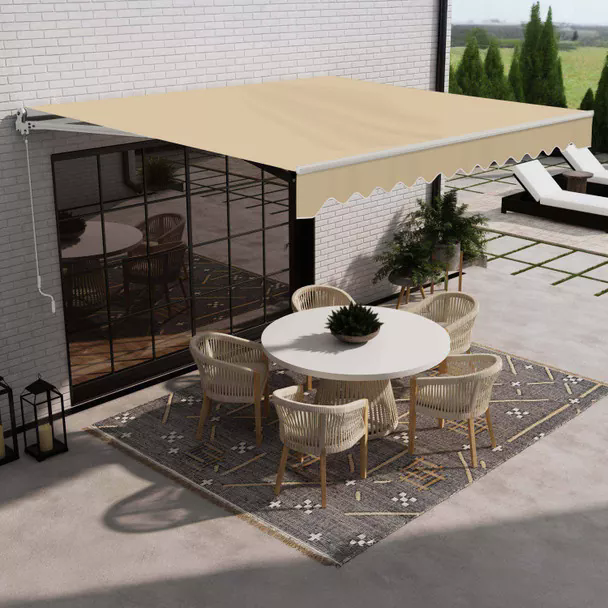
Table of Contents
- Overview: What Is a Motorized Retractable Awning?
- Key Customer Pain Points in Outdoor Shading
- How a Motorized Retractable Awning Works
- Core Components and Structural Design
- Performance Benefits for Residential and Commercial Use
- Comparison: Motorized vs. Manual Awnings
- Application Scenarios and Use Cases
- Selection Guide: How to Choose the Right System
- Installation and Maintenance Considerations
- Frequently Asked Questions
- Conclusion and Next Steps
Overview: What Is a Motorized Retractable Awning?
A motorized retractable awning is an automated shading system designed to extend and retract using an electric motor. It is typically mounted on exterior walls or structural beams and paired with a durable fabric canopy supported by articulated arms. With a simple wall switch, remote control, or smart integration, users can adjust coverage based on sunlight, temperature, or weather conditions.
Unlike fixed awnings, this system provides flexibility. When shade is needed, it extends smoothly. When sunlight or open sky is preferred, it retracts neatly, preserving the building’s appearance and reducing wear.
Key Customer Pain Points in Outdoor Shading
Outdoor spaces are valuable, yet many property owners struggle to use them efficiently due to environmental challenges. Common issues include:
- Excessive solar heat causing discomfort and increased indoor cooling costs
- UV radiation damaging furniture, flooring, and interior décor
- Sudden weather changes such as light rain or strong sunlight
- Manual systems that are inconvenient or physically demanding
- Fixed shading structures that block light when not needed
A motorized retractable awning directly responds to these concerns through automation, adaptability, and engineered durability.
How a Motorized Retractable Awning Works
The system operates through an integrated electric motor housed within the roller tube or drive mechanism. When activated, the motor rotates the tube, extending or retracting the awning fabric along the support arms.
Advanced systems may include wind sensors, sun sensors, or smart controls that automatically adjust the awning position. This ensures optimal shading without constant manual intervention, reducing the risk of damage during sudden weather changes.
Core Components and Structural Design
Understanding the main components helps evaluate system quality and performance:
| Component | Function |
|---|---|
| Motor Drive | Provides automated extension and retraction with stable torque output |
| Roller Tube | Holds and rolls the awning fabric evenly |
| Articulated Arms | Maintains fabric tension and structural stability |
| Awning Fabric | Offers UV protection, heat reduction, and visual appeal |
| Mounting Brackets | Securely anchor the system to walls or beams |
Manufacturers such as Vionta focus on precision metal structures and corrosion-resistant finishes to ensure long-term reliability in outdoor environments.
Performance Benefits for Residential and Commercial Use
A motorized retractable awning delivers tangible benefits across different settings:
- Improved thermal comfort by reducing direct sunlight
- Extended usability of patios, decks, and terraces
- Lower energy consumption by shading windows and glass doors
- Enhanced property aesthetics with clean, retractable design
- Professional appearance for cafés, restaurants, and storefronts
By balancing function and design, the system transforms underutilized outdoor areas into practical living or business spaces.
Comparison: Motorized vs. Manual Awnings
| Aspect | Motorized Retractable Awning | Manual Awning |
|---|---|---|
| Operation | Remote or automated control | Hand crank operation |
| Convenience | High, suitable for daily use | Lower, requires physical effort |
| Weather Responsiveness | Can integrate sensors | Manual adjustment only |
| Long-Term Efficiency | Optimized for frequent adjustment | Limited by user operation |
Application Scenarios and Use Cases
Motorized retractable awnings are widely used in:
- Residential patios and balconies
- Outdoor dining areas for restaurants and cafés
- Retail storefront shading
- Hotels, resorts, and leisure facilities
- Office terraces and shared outdoor spaces
The ability to adapt shading instantly makes the system suitable for environments where comfort and presentation are equally important.
Selection Guide: How to Choose the Right System
When selecting a motorized retractable awning, consider the following factors:
- Installation width and projection requirements
- Fabric performance, including UV resistance and color stability
- Motor reliability and noise level
- Structural material and surface treatment
- Compatibility with automation or smart controls
Reviewing technical specifications and manufacturer expertise is essential for long-term satisfaction.
Installation and Maintenance Considerations
Professional installation ensures proper alignment, load distribution, and safe electrical connections. Regular maintenance typically involves basic cleaning of the fabric and periodic inspection of mechanical components.
Compared to fixed structures, retractable systems experience less continuous exposure, which can reduce overall wear when properly used.
Frequently Asked Questions
Is a motorized retractable awning suitable for windy areas?
Yes, when properly specified and installed. Many systems support wind sensors that automatically retract the awning during strong gusts.
How long does a motorized awning system typically last?
With quality materials and proper maintenance, the structure and motor can perform reliably for many years.
Can the awning be customized in size and color?
Most manufacturers offer multiple size configurations and fabric options to match architectural styles and functional needs.
Conclusion and Next Steps
A motorized retractable awning provides a practical, flexible, and visually refined solution for managing outdoor environments. By addressing comfort, protection, and usability, it supports better space utilization across residential and commercial applications.
Vionta specializes in engineered metal awning systems designed to meet demanding outdoor requirements. For tailored solutions and technical support, contact us to explore how a motorized retractable awning can enhance your project’s performance and value.