

How Does a High-Performance Wine Cabinet Improve Storage, Aging, and Long-Term Value?
2025-12-09
A wine cabinet is a precision-engineered storage appliance designed to recreate the stable environment of a traditional wine cellar. Unlike ordinary household refrigerators, a quality wine cabinet maintains constant temperature, controlled humidity, vibration-free storage, and UV-shielded conditions to protect the chemical integrity of each bottle. As wine continues to gain global popularity, consumers increasingly demand appliances that can preserve aromas, protect tannin structure, and support both short-term enjoyment and long-term aging.
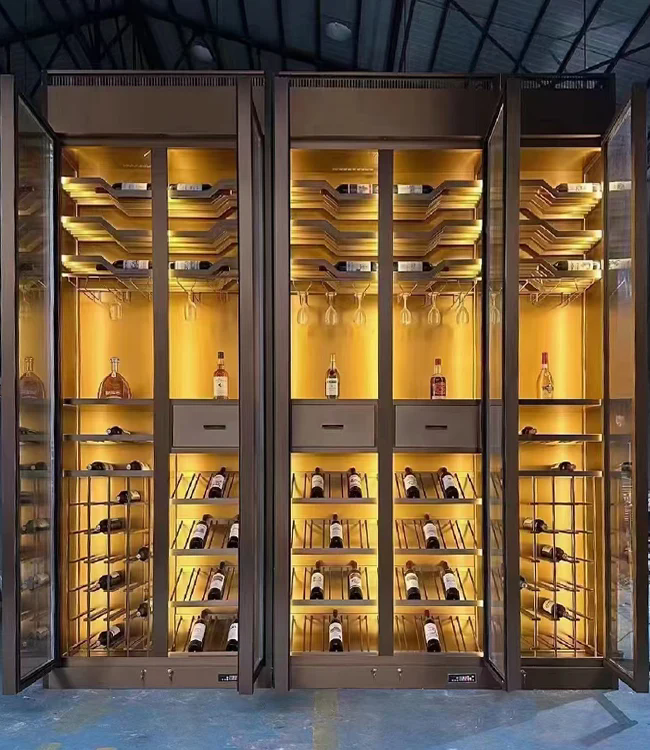
This article explores how a professional wine cabinet functions, what parameters define premium performance, and how these features support collectors, restaurants, and hospitality operators. It also analyzes market trends, the functional advantages of advanced designs, and includes common questions related to wine cabinets. A key objective is to help readers understand what makes one system superior to another and how to evaluate product quality based on technical specifications—not subjective opinion.
Typical Technical Parameters of a High-Quality Wine Cabinet
| Parameter Category | Specification Details |
|---|---|
| Temperature Control | Adjustable 5–20°C (41–68°F), multi-zone or single-zone precision ±1°C |
| Humidity Range | 50%–80% RH with automatic regulation |
| Cooling System | Compressor-based or thermoelectric with low noise and low vibration |
| Capacity | 30–300+ bottles depending on configuration |
| Shelving | Telescopic wooden shelves, food-grade metal frames, anti-vibration design |
| Door Construction | Double or triple UV-shielded glass, seamless insulation |
| Lighting | Low-heat LED with adjustable intensity |
| Air Quality System | Activated carbon filter and internal circulation fan |
| Safety Functions | Door lock, child protection, temperature alarm |
| Energy Efficiency | Optimized compressor cycle, eco-mode, high-efficiency insulation |
These specifications vary depending on user needs—whether for professional aging, restaurant serving, or home collection. The central theme of this article is how these features translate into real-world performance and value.
How Does a Wine Cabinet Protect and Enhance Every Bottle?
1. How Does Precise Temperature Management Improve Wine Aging?
Consistent temperature is the core of wine preservation. Fluctuations accelerate oxidation, disturb molecular stability, and compromise aroma development. A professional wine cabinet uses advanced sensors and microprocessors to maintain a narrow thermal tolerance.
How precision helps wine:
-
Red wines maintain tannin structure at 12–14°C.
-
White wines preserve acidity and aromatics at 8–10°C.
-
Sparkling wines hold carbonation better at lower temperatures.
-
Fine-aging wines mature evenly over years due to thermal stability.
This level of control ensures the wine evolves naturally rather than prematurely breaking down due to thermal stress.
2. How Does Humidity Control Prevent Cork Damage and Oxidation?
Humidity affects cork elasticity. Low humidity causes cork shrinkage, permitting oxygen infiltration; excessive humidity may foster mold growth.
A balanced 50%–80% RH environment preserves:
-
Cork integrity
-
Label condition
-
Air exchange in the bottle
Automated humidity regulation within the cabinet ensures the environment remains stable without manual intervention.
3. How Does a Low-Vibration System Protect Wine’s Chemical Stability?
Vibration disturbs sediment formation, especially in older bottles, and affects the maturation process. High-grade wine cabinets utilize:
-
Compressor isolation pads
-
Precision suspension systems
-
Low-frequency cooling cycles
These engineering solutions minimize micro-vibrations, keeping the wine calm so tannins and compounds evolve naturally.
4. How Does UV Protection Safeguard Wine Aroma Compounds?
UV light reacts with phenolic compounds and accelerates spoilage. Advanced wine cabinets incorporate:
-
Triple-layer UV-resistant glass
-
Low-heat LED lighting
-
Opaque side insulation panels
This protects the delicate aromatic compounds that define each wine’s character.
5. How Does Intelligent Air Circulation Prevent Odor Contamination?
Activated carbon filters and internal circulation fans refresh the environment, preventing stale odors and bacterial buildup. This is especially crucial for long-term storage and densely filled cabinets where air movement is limited.
How Will Wine Cabinet Technology Develop in the Next Decade?
1. How Will Smart Connectivity Transform Storage Management?
Smart IoT wine cabinets are emerging as high-demand products. Future developments include:
-
Remote temperature control via app
-
Aging forecasts using embedded sensors
-
Inventory-tracking systems using NFC or RFID
-
Notifications for temperature fluctuations
-
Cloud-based wine management logs
These innovations help collectors monitor aging conditions more precisely.
2. How Will Eco-Friendly and Energy-Saving Designs Shape New Models?
Environmental standards are pushing manufacturers to adopt:
-
High-efficiency compressors
-
Cyclopentane insulation
-
Low-GWP refrigerants
-
Optimized cooling cycles
Expect wine cabinets to become increasingly energy-efficient without sacrificing performance.
3. How Will Modular Designs Improve User Customization?
Consumers seek cabinets that match their home or commercial space:
-
Customizable shelf spacing
-
Configurable temperature zones
-
Built-in or freestanding options
-
Door style variations
-
Expanded linking modules for large collections
This trend supports luxurious personalization without compromising technical quality.
4. How Will Precision Engineering Advance Aging Performance?
Future cabinets may integrate:
-
Multi-point temperature sensors
-
AI-driven humidity stabilization
-
Acoustic-isolated compressor chambers
-
Anti-microbial internal linings
These improvements further replicate the conditions of natural underground cellars.
Common Questions About Wine Cabinets
Q1: How Long Can Wine Be Stored in a Wine Cabinet?
A: A professional wine cabinet is suitable for both short-term and long-term aging. Everyday wines can be stored for months to maintain ideal serving temperature, while premium collections can age for 5–20 years depending on the wine type. The stable temperature, humidity, and vibration-free environment ensure wines mature predictably, unlike standard household refrigerators that fluctuate significantly.
Q2: How Large Should a Wine Cabinet Be for Home or Commercial Use?
A: Size selection depends on the number of bottles, available space, and storage goals. Home collectors typically choose 30–150-bottle cabinets, while restaurants may require 150–300+-bottle models for multi-zone serving temperatures. It is advisable to choose at least 20–30% more capacity than currently needed to accommodate collection growth.
How a High-Performance Wine Cabinet Protects Value and Enhances Every Bottle
A wine cabinet is not merely an appliance; it is a precision system that safeguards the investment, flavor quality, and aging potential of each bottle. By maintaining stable temperature, balanced humidity, UV shielding, clean airflow, and a vibration-free environment, it replicates the conditions of a traditional wine cellar while offering convenience and modern efficiency. As the market evolves toward smart connectivity, modular design, eco-performance, and advanced engineering, wine cabinets will continue to play an essential role for enthusiasts, homeowners, restaurants, and luxury spaces.
Nante, a brand known for professional refrigeration engineering and refined craftsmanship, develops wine cabinets that meet these rigorous standards. For readers seeking reliable storage solutions or technical guidance on selecting the right model, contact us to explore advanced options tailored to residential or commercial needs.