

How Do Glass Display Racks Shape In-Store Presentation Standards Across Retail Spaces?
2025-12-16
A glass display rack is a specialized retail and commercial fixture designed to present products clearly while maintaining protection, order, and visual consistency. Commonly used in jewelry stores, electronics retailers, museums, pharmacies, optical shops, and premium boutiques, this type of display solution balances transparency with structural stability. The central purpose of a glass display rack is to create an unobstructed view of merchandise while reinforcing brand positioning and spatial organization.
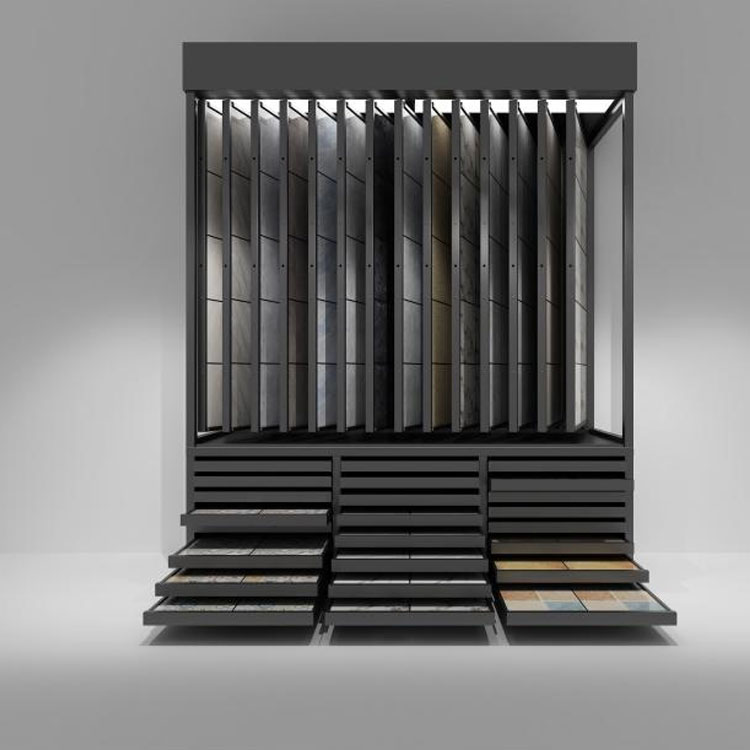
Glass display racks are typically positioned as focal points within a store. Their transparent surfaces allow products to remain visually accessible from multiple angles, while internal shelving configurations enable structured categorization. Beyond aesthetics, these racks are also engineered for load-bearing capacity, safety compliance, and long-term durability in high-traffic environments.
How Are Glass Display Racks Designed and Specified for Professional Use?
The design and specification of a glass display rack are driven by performance requirements rather than decorative intent alone. In professional environments, each parameter contributes to safety, usability, and lifecycle efficiency. Standardized manufacturing processes ensure consistency, while customizable elements allow adaptation to specific industries.
Below is a consolidated overview of commonly referenced technical parameters for commercial-grade glass display racks:
| Parameter Category | Typical Specifications |
|---|---|
| Glass Type | Tempered safety glass or laminated glass |
| Glass Thickness | 6 mm, 8 mm, 10 mm, or 12 mm |
| Frame Material | Aluminum alloy, stainless steel, or steel with powder coating |
| Surface Finish | Polished edges, brushed metal, anodized aluminum |
| Load Capacity | 15–40 kg per shelf (depending on thickness and support) |
| Shelf Configuration | Adjustable or fixed, single or multi-tier |
| Lighting Integration | Optional LED strip or spotlight compatibility |
| Locking System | Mechanical lock or concealed magnetic lock |
| Dimensions | Customizable width, depth, and height |
| Assembly Type | Knock-down (KD) or fully welded structure |
Tempered glass is the most widely specified option due to its impact resistance and safety characteristics. When broken, it fragments into small, blunt pieces, reducing injury risk. Frame materials are selected based on environmental conditions, weight requirements, and maintenance expectations.
Precision manufacturing ensures tight tolerances between glass panels and supporting frames, minimizing vibration and noise while enhancing stability. Adjustable shelving systems are often specified to allow flexibility as product assortments change over time.
How Do Glass Display Racks Perform Across Different Retail and Commercial Scenarios?
Glass display racks are deployed across a wide range of sectors, each with distinct operational and presentation requirements. Their adaptability is a primary reason for their sustained demand.
In jewelry and luxury retail, glass display racks serve as secure presentation units that allow high-value items to remain visible without direct handling. Integrated locking systems and controlled lighting conditions support both security and visual clarity.
In electronics and technology stores, glass display racks are used to showcase devices, components, and accessories while protecting them from dust and unauthorized access. The transparency of glass enables customers to examine product details such as ports, finishes, and form factors without physical contact.
Museums, galleries, and exhibition halls rely on glass display racks to protect artifacts while preserving sightlines. In these environments, anti-reflective glass and sealed enclosures may be specified to manage lighting conditions and environmental exposure.
Pharmacies and medical retail spaces often use glass display racks for regulated or premium products, where visibility must be balanced with controlled access. Easy-to-clean surfaces and compliance with hygiene standards are critical considerations.
Across all scenarios, glass display racks contribute to spatial efficiency. Vertical configurations maximize display capacity without overwhelming floor space, while modular designs support consistent layouts across multiple locations.
How Should Buyers Evaluate Quality, Maintenance, and Long-Term Value?
Selecting a glass display rack extends beyond initial appearance. Long-term value is determined by structural integrity, ease of maintenance, and compatibility with evolving store requirements.
Quality evaluation begins with material verification. Certified tempered glass, corrosion-resistant frames, and precision hardware indicate adherence to industry standards. Weld quality, edge finishing, and alignment consistency are key indicators of manufacturing competence.
Maintenance considerations are equally important. Smooth glass surfaces allow quick cleaning, while durable coatings on metal components resist scratches and oxidation. Removable shelves and accessible locking mechanisms simplify daily operations.
From a lifecycle perspective, modularity and customization capacity enhance return on investment. Racks that can be reconfigured or expanded reduce the need for replacement when merchandising strategies change. Compatibility with lighting upgrades or digital labeling systems further extends usability.
Common Questions About Glass Display Racks
Q: How is load capacity determined for a glass display rack?
A: Load capacity depends on glass thickness, shelf dimensions, support structure, and frame material. Manufacturers calculate capacity through material testing and structural analysis to ensure safe distribution of weight across contact points.
Q: How can glass display racks be integrated into existing store layouts?
A: Integration is achieved through customized dimensions, modular designs, and alignment with existing fixtures. Adjustable shelving and standardized footprints allow racks to fit seamlessly into current floor plans without structural modification.
As retail environments continue to emphasize clarity, organization, and professionalism, glass display racks remain a foundational fixture category. Their ability to combine transparency with protection makes them suitable for both current applications and future store concepts.
Manufacturers such as Zhongbo focus on delivering glass display rack solutions that align with international quality expectations, offering adaptable specifications and consistent production standards. For project inquiries, customization discussions, or technical consultation, interested parties are encouraged to contact us to explore suitable configurations and support options.