

How Can Stainless Steel Kitchen Cabinets Improve Durability and Hygiene?
2026-07-02
Article Summary
Stainless steel kitchen cabinets have become a preferred solution for both residential and commercial kitchens due to their exceptional durability, hygiene performance, and modern aesthetic appeal. Unlike traditional wooden or MDF cabinets, stainless steel structures resist moisture, heat, pests, and corrosion, making them ideal for long-term use in demanding environments. This article explores how stainless steel kitchen cabinets address common kitchen problems such as mold growth, structural deformation, and cleaning difficulty. It also examines design considerations, cost efficiency, maintenance practices, and real-world applications provided by manufacturers such as VSME. By the end, readers will understand why stainless steel cabinetry is increasingly becoming a global standard for high-performance kitchen spaces.
Article Outline
- Introduction to Stainless Steel Kitchen Cabinets
- Key Problems in Traditional Kitchen Cabinets
- How Stainless Steel Solves Durability Issues
- Hygiene Advantages and Food Safety Benefits
- Design Flexibility and Modern Applications
- Cost Analysis and Long-Term Value
- Maintenance and Cleaning Guidelines
- Product Comparison Table
- Frequently Asked Questions
- Conclusion and Manufacturer Insight (VSME)
Introduction to Stainless Steel Kitchen Cabinets
Kitchen environments are exposed to constant moisture, oil, heat, and frequent cleaning agents. Traditional cabinetry materials such as wood and particle board often degrade under these conditions, leading to swelling, warping, and microbial growth. Stainless steel kitchen cabinets, however, offer a structural and hygienic alternative designed to withstand such challenges.
Modern manufacturers like VSME have developed advanced stainless steel cabinet systems that integrate precision engineering with aesthetic customization. These systems are increasingly used in homes, restaurants, hotels, hospitals, and industrial kitchens where hygiene and durability are critical.
Key Problems in Traditional Kitchen Cabinets
Before understanding the benefits of stainless steel, it is important to recognize the limitations of conventional materials:
- Moisture Damage: Wood absorbs water, leading to swelling and structural failure.
- Pest Infestation: Termites and insects can damage organic materials.
- Mold Growth: Humid environments promote bacterial contamination.
- Heat Sensitivity: Cooking areas expose cabinets to thermal stress.
- Short Lifespan: Frequent replacement increases long-term cost.
How Stainless Steel Solves Durability Issues
Stainless steel kitchen cabinets are engineered using corrosion-resistant alloys that maintain structural integrity even in extreme environments. Their durability is one of the primary reasons for their growing popularity.
- Corrosion Resistance: Chromium content forms a protective oxide layer.
- Load-Bearing Strength: High tensile strength supports heavy kitchen equipment.
- Heat Resistance: Maintains stability under high-temperature cooking conditions.
- Impact Resistance: Less prone to dents and physical damage.
Compared with traditional materials, stainless steel cabinets offer significantly longer service life, reducing replacement cycles and maintenance costs.
Hygiene Advantages and Food Safety Benefits
Hygiene is a critical factor in kitchen design. Stainless steel surfaces are non-porous, meaning they do not absorb liquids, odors, or bacteria. This makes them ideal for food preparation environments.
- Non-porous surface prevents bacterial accumulation
- Easy sterilization using standard cleaning agents
- Resistant to staining from food and oil
- Compliant with commercial food safety standards
For professional kitchens, especially in hospitality and healthcare sectors, stainless steel cabinets from manufacturers like VSME provide a reliable solution for maintaining strict hygiene protocols.
Design Flexibility and Modern Applications
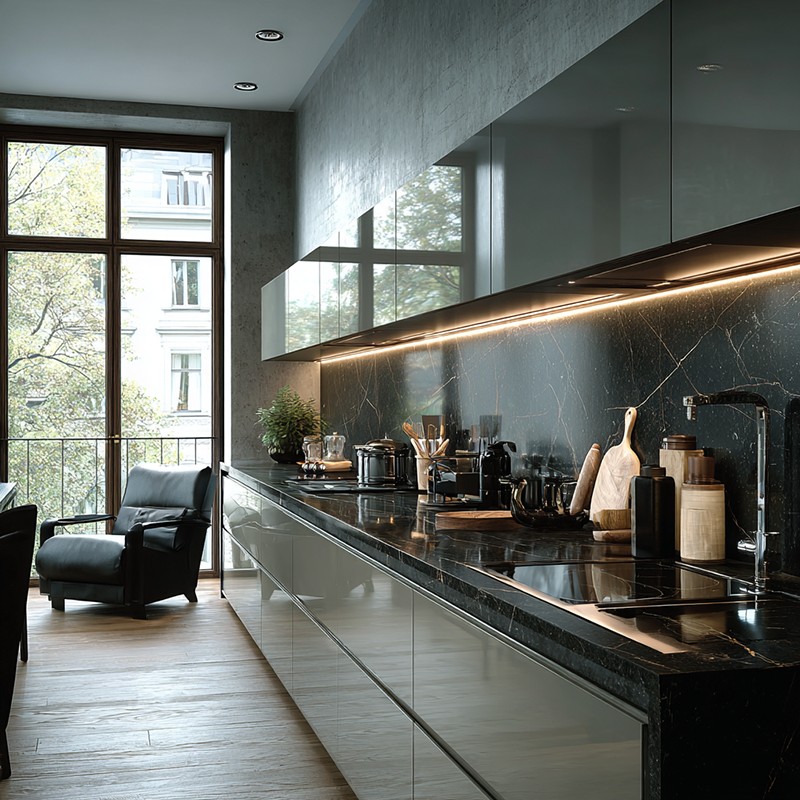
Modern stainless steel kitchen cabinets are not limited to industrial aesthetics. Advanced fabrication techniques allow for customized designs, finishes, and configurations.
- Brushed, matte, or polished finishes
- Integrated storage systems and modular layouts
- Compatibility with modern kitchen appliances
- Space-saving designs for compact kitchens
VSME offers flexible design options that allow homeowners and commercial users to tailor kitchen layouts according to operational needs and visual preferences.
Product Comparison: Stainless Steel vs Traditional Cabinets
| Feature | Stainless Steel Cabinets | Wood/MDF Cabinets |
|---|---|---|
| Durability | High resistance to corrosion and impact | Prone to warping and damage |
| Hygiene | Non-porous and easy to sanitize | Absorbs moisture and bacteria |
| Maintenance | Low maintenance | Requires frequent repairs |
| Lifespan | Long-term use (10–20+ years) | Shorter lifespan |
| Cost Efficiency | Higher initial investment, lower long-term cost | Lower upfront cost, higher replacement cost |
Maintenance and Cleaning Guidelines
One of the advantages of stainless steel kitchen cabinets is their low maintenance requirement. However, proper care ensures maximum lifespan and aesthetic appeal.
- Use mild detergent and soft cloth for cleaning
- Avoid abrasive pads that may scratch the surface
- Regularly dry surfaces to prevent water spots
- Apply stainless steel polish for enhanced shine
With minimal effort, cabinets supplied by VSME can maintain a professional appearance for many years.
Frequently Asked Questions
1. Are stainless steel kitchen cabinets suitable for home kitchens?
Yes, they are increasingly used in residential kitchens due to their durability and modern design options.
2. Do stainless steel cabinets rust?
High-quality stainless steel is highly resistant to rust, especially when properly maintained.
3. Are they more expensive than wooden cabinets?
The initial cost is higher, but long-term savings from durability and low maintenance make them cost-effective.
4. Can stainless steel cabinets be customized?
Yes, manufacturers like VSME offer modular and customizable designs.
5. Are they difficult to clean?
No, they are among the easiest cabinet types to clean due to their smooth, non-porous surface.
Conclusion and Manufacturer Insight (VSME)
Stainless steel kitchen cabinets represent a long-term investment in durability, hygiene, and functional design. Their ability to withstand harsh kitchen environments while maintaining a clean and modern appearance makes them a preferred choice across multiple industries.
As global demand for high-performance kitchen solutions continues to grow, manufacturers such as VSME play a critical role in delivering engineered cabinetry systems that meet both residential and commercial requirements. Their product lines focus on structural strength, hygienic safety, and customizable design integration.
Whether upgrading a home kitchen or designing a professional food preparation facility, stainless steel cabinets provide a reliable and future-proof solution that significantly reduces long-term maintenance burdens.
For customized stainless steel kitchen cabinet solutions, VSME welcomes inquiries and collaboration opportunities. contact us today to explore tailored kitchen systems that match your project requirements.