

As electricity prices continue to fluctuate and demand for renewable energy increases, homeowners are looking for smarter ways to generate, store, and manage electricity. Solar energy systems combined with battery storage offer a practical solution for reducing dependence on traditional power grids. An 8kW Single Phase Hybrid Inverter plays an important role in this transition by coordinating solar panels, battery storage, household electricity consumption, and grid power within one integrated system. Designed for residential and selected small-scale energy applications, this type of inverter provides a flexible approach to solar self-consumption, backup power, and household energy management. For homeowners, installers, and energy distributors, choosing a suitable hybrid inverter is an important step toward building a reliable and efficient energy storage solution.
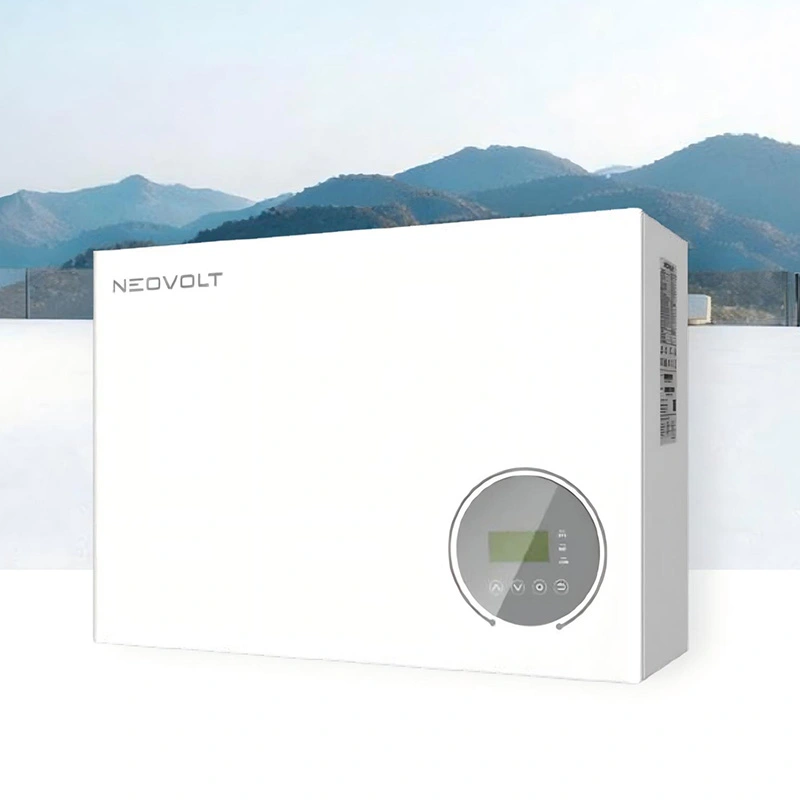
1. What Makes an 8kW Single Phase Hybrid Inverter Important?
A hybrid inverter combines solar power conversion and battery energy management in one coordinated device. Unlike a conventional grid-tied inverter, which primarily converts solar electricity into usable AC power, a hybrid inverter can also manage battery charging and discharging.
An 8kW rated output makes this configuration worth considering for households with relatively high electricity consumption, larger solar installations, or multiple electrical appliances. However, the actual system capacity should be evaluated according to the property's electrical connection, battery capability, and local grid requirements.
Its main functions include:
- Solar Power Conversion: Converts DC electricity generated by solar panels into AC electricity for household appliances.
- Battery Management: Coordinates charging and discharging with compatible battery systems to improve solar energy utilisation.
- Grid Interaction: Allows the system to work alongside utility electricity according to its operating configuration.
- Backup Power: Supports designated household loads during grid interruptions when the model and installation provide backup functionality.
- Energy Monitoring: Helps users understand solar generation, household consumption, and battery status through compatible monitoring systems.
2. How Does It Improve Household Energy Efficiency?
The biggest advantage of an 8kW Single Phase Hybrid Inverter is its ability to coordinate different energy sources instead of treating solar generation, battery storage, and grid electricity as separate systems.
Increase Solar Self-Consumption
During daylight hours, solar panels generate electricity for household consumption. When generation exceeds immediate demand, surplus energy can be directed to a compatible battery for later use. This allows homeowners to make better use of the electricity generated by their solar installations rather than relying entirely on grid power.
Reduce Electricity Expenses
With appropriate battery capacity and energy management settings, stored electricity can be used during evening hours or periods when electricity prices are higher. This can help households optimise energy consumption under time-of-use electricity tariffs.
Maintain Power During Grid Interruptions
For homes located in areas with unstable electricity supplies, backup functionality provides additional energy security. Depending on the inverter's specifications and battery configuration, essential appliances such as refrigerators, lighting, communication equipment, and security systems can continue operating during outages.
3. Which Applications Are Suitable for an 8kW Single Phase Hybrid Inverter?
Single-phase hybrid inverters are particularly relevant to residential properties and smaller energy projects where three-phase electrical infrastructure is unnecessary or unavailable.
| Application | Energy Requirements | Potential Benefits |
|---|---|---|
| Family Houses | Daily household electricity consumption | Higher solar self-consumption and battery backup |
| Large Residential Properties | Multiple appliances and higher peak demand | Flexible energy management |
| Small Shops | Lighting, refrigeration, and daily electrical equipment | Reduced grid electricity dependence |
| Rural Properties | Potentially unstable grid connections | Additional energy security and backup capability |
| Solar Retrofit Projects | Existing solar generation with battery expansion | Improved solar energy utilisation |
Before selecting an inverter, installers should evaluate actual electricity consumption, peak loads, solar panel capacity, battery requirements, and local electrical regulations. An 8kW rating alone does not determine how many appliances can operate simultaneously or how long backup power will last.
4. What Should Buyers Consider When Selecting a Hybrid Inverter?
Choosing the right hybrid inverter requires more than comparing rated output and purchase price. System compatibility, operational reliability, and long-term support are equally important.
- Power Output: Confirm that the rated AC output and surge capability match the property's electricity demand.
- Battery Compatibility: Check supported battery voltage, charging current, discharge limits, and BMS communication protocols.
- Solar Input Configuration: Evaluate maximum PV input power, voltage range, current limits, and MPPT configuration.
- Grid Compatibility: Verify voltage, frequency, connection requirements, and applicable grid certification.
- Protection and Safety: Review electrical protection functions, enclosure rating, temperature limits, and installation requirements.
- Monitoring and Support: Consider remote monitoring, troubleshooting assistance, warranty coverage, and technical service availability.
For UK residential projects, compliance with relevant G98/G99 grid connection requirements is particularly important. Buyers should always confirm the specific inverter model's certification and approval status before installation.
5. Why Choose Sinaoh Limited Co.,Ltd. for Energy Storage Solutions?
With a focus on the UK renewable energy and energy storage market, Sinaoh Limited Co.,Ltd. provides residential, commercial, and mobility-related lithium battery solutions under the Sinoah Energy brand. Its product portfolio covers residential energy storage, commercial energy storage, golf cart batteries, and marine LiFePO4 batteries, supporting different energy requirements across multiple applications.
For customers developing solar-plus-storage projects, system compatibility and technical support are essential considerations. Sinaoh Energy focuses on several key advantages:
- Residential Energy Storage Expertise: Solutions designed around household solar generation, battery storage, and backup power requirements.
- Smart BMS Technology: In-house battery management development supports battery monitoring, protection, and system integration.
- UK Market Support: A UK warehouse, local technical support, and an installer network help serve customers across the UK.
- OEM & ODM Services: Flexible cooperation options for distributors, installers, and business partners with specific product requirements.
- Quality Assurance: Production and quality control processes include automated production, cell testing, BMS validation, and final functional testing.
- Long-Term Confidence: A 10-year warranty is among the company's key service commitments for its relevant product offerings.
In addition to product supply, pre-sales assistance includes system design, capacity calculation, and compatibility checks. These services help customers identify suitable energy storage configurations based on actual project requirements.
6. How Can Hybrid Inverters Support the Future of Residential Energy?
As solar installations and residential battery storage become increasingly common, energy management is shifting from simple electricity generation toward intelligent consumption and storage. An 8kW Single Phase Hybrid Inverter can serve as an important connection point between solar panels, batteries, household appliances, and the utility grid.
Its practical value depends on choosing the right battery capacity, ensuring electrical compatibility, and configuring the system according to actual energy consumption. When these components work together effectively, homeowners can improve solar utilisation, manage electricity expenses, and gain greater flexibility in responding to grid interruptions.
For installers, distributors, and renewable energy project developers, working with an experienced energy storage partner also makes a difference in project planning and long-term service. Sinaoh Limited Co.,Ltd. continues to focus on lithium battery and energy storage solutions for the UK market, helping customers explore more practical approaches to residential and commercial energy management.
Build a Smarter Energy Storage System with Sinaoh Energy
Whether you are planning a residential solar installation, expanding an existing battery storage system, or sourcing energy solutions for distribution, selecting compatible products and reliable technical support is essential. Explore the energy storage solutions offered by Sinaoh Limited Co.,Ltd. and discover how the right inverter and battery configuration can support your next project.
Contact us today at e-mail to discuss your project requirements, explore OEM & ODM cooperation, and find a suitable energy storage solution for your market.