

Are Hammock Stands the Secret to Stress Free Backyard Lounging?
2025-12-24
I used to think hammocks were “nice in theory” until reality hit me: no perfect trees, no sturdy beams, and definitely no patience for complicated setups. That’s when I started paying attention to Yingmin and how a well-built set of Hammock Stands can turn almost any outdoor (or indoor) corner into a reliable chill zone without drilling, guessing, or damaging anything.
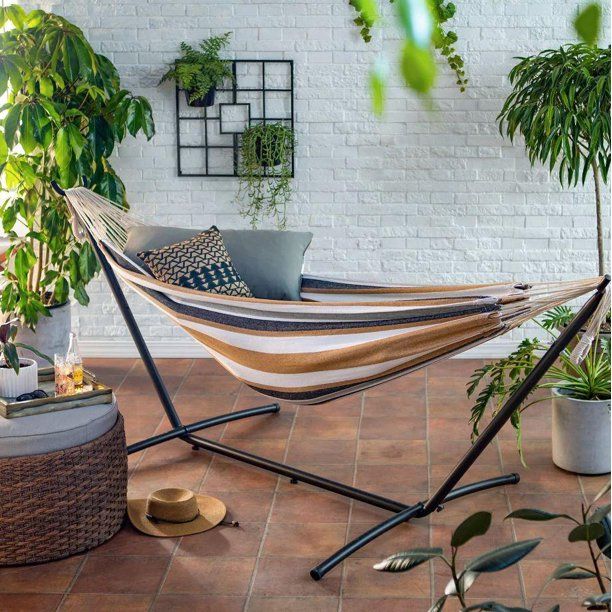
Why Do So Many Hammock Setups Fail at the Worst Time?
If you’ve ever felt your hammock sag too low, tilt awkwardly, or wobble every time you move, you already know the biggest pain points. In my experience, the problem usually isn’t the hammock itself—it’s the support system. A dependable set of Hammock Stands helps solve the issues that cause most “I give up” moments:
- Unstable anchor points that shift on soft ground
- Incorrect hanging angle that strains your body and the fabric
- Cheap joints and weak tubing that loosen after a few uses
- Messy assembly with unclear steps and missing parts
- Weather exposure that speeds up rust and fading
When I switched to sturdier Hammock Stands, the whole experience became predictable—in a good way. I could relax instead of “testing” the setup like a suspicious engineer.
What Should I Look for in Hammock Stands If I Want Real Stability?
I’ve learned to judge Hammock Stands the way I judge a chair I’ll sit in for hours: if it feels solid immediately, it’ll probably stay solid over time. Here’s the checklist I personally rely on before buying:
- Weight capacity that matches real life (not just best-case marketing)
- A wide, balanced base to reduce tipping and side sway
- Adjustable length so it fits different hammock sizes and hanging preferences
- Secure connectors that don’t rattle loose after repeated use
- Outdoor-ready coating that handles sun, moisture, and temperature changes
- Portability features like manageable parts and storage-friendly design
If your goal is consistent comfort, the stand matters just as much as the hammock. The right Hammock Stands should feel boringly dependable—and that’s exactly what you want.
How Do Different Hammock Stand Designs Compare in Daily Use?
| Stand Type | What I Notice First | Best For | Potential Tradeoff |
|---|---|---|---|
| Steel Frame | Very stable and confidence-inspiring | Backyards, patios, frequent use | Heavier to move around |
| Portable / Break-Down Frame | Easier to store and transport | Camping, travel, flexible setups | May require more frequent tightening |
| Adjustable-Length Frame | More control over hang angle and height | Multiple hammock sizes, shared households | More parts can mean more setup steps |
| Heavy-Duty Base Design | Less sway, more “flat” support | Larger users, couples, long lounging sessions | Needs more space |
When I’m deciding between options, I ask myself one practical question: do I want to move it often, or do I want it to feel like permanent outdoor furniture? That answer usually points me to the right style of Hammock Stands.
Can Hammock Stands Really Help With Comfort and Posture?
Yes—more than people expect. The stand determines your hanging angle, and the hanging angle determines whether you feel supported or strained. When I dialed in my setup with quality Hammock Stands, I noticed:
- Less pressure on my lower back because the hang felt more balanced
- Less “shoulder squeeze” from awkward fabric tension
- More consistent height so getting in and out wasn’t a mini workout
- Less motion sickness from excessive sway
Comfort isn’t just softness—it’s structure. With the right Hammock Stands, the hammock behaves the way it’s supposed to.
How Do I Know If a Hammock Stand Will Hold Up Outdoors?
If you’re placing your setup outside, durability isn’t a bonus—it’s the whole point. I look for finishes and build details that hold up through real weather, not just a sunny weekend. Good Hammock Stands should be designed for outdoor exposure, with coatings that resist rust and hardware that doesn’t degrade the moment humidity shows up.
- Coating quality that helps prevent corrosion
- Hardware strength that stays secure after repeated loading
- Frame thickness that doesn’t flex or deform easily
- Easy maintenance so wiping down and storing is simple
For me, a stand is “outdoor-ready” if I can use it regularly without feeling like I’m babysitting it.
What Setup Habits Make Hammock Stands Safer and More Enjoyable?
Even great Hammock Stands perform better with a few smart habits. These are the small things I do that make a big difference:
- Place the stand on flat ground and avoid soft, sinking surfaces
- Check connectors and tighten points after the first few uses
- Avoid dragging the frame across rough stone to protect the coating
- Store it under cover during extreme weather when possible
- Use proper hanging accessories to keep the angle consistent
I like that this kind of setup feels “simple on purpose.” The best Hammock Stands don’t demand constant attention—just basic care.
So Which Hammock Stands Should I Choose If I Want Fewer Headaches?
If you want a setup that feels steady, looks clean, and doesn’t turn into a weekend project every time you want to relax, choosing the right Hammock Stands is the decision that matters most. I recommend focusing on stability, adjustability, and outdoor durability first—then worry about extras like style or portability.
If you’re comparing options and want a stand that fits your hammock size, space, and usage habits, I can help you narrow it down fast. Ready to get a quote or ask a quick question? Contact us today—send your requirements and we’ll point you to the best-fit solution from Yingmin.