

China Ammonium Polyphosphate: Properties, Applications, and Market Trends
2026-09-23
China’s ammonium polyphosphate (APP) quietly powers the flame-retardant systems behind everything from high-rise steelwork to the plastic housings of your electronics. Yet few outside specialty chemical circles understand why this particular phosphate salt has become indispensable. This article unpacks its core properties, the real reasons it beats alternatives in intumescent coatings and engineering polymers, and where domestic production and demand are heading next—drawing on field-level perspectives from X.X.F.R.
What Sets Chinese Ammonium Polyphosphate Apart in Flame Retardant Performance
The edge of Chinese ammonium polyphosphate often starts with a deliberate focus on crystalline phase control. A higher share of the thermally stable Form II structure means the product can survive the extrusion temperatures used for polyolefins without premature decomposition. This reduces the risk of bubbles, discoloration, and loss of intumescent action before the material ever faces a flame. Careful adjustment of polymerization time and ammonia flow also keeps water solubility low, which matters a great deal for coatings and composites exposed to humid conditions.
Particle size distribution and surface treatment are another area where Chinese producers have moved beyond simple grinding. Air classification and silane or melamine-based coatings improve compatibility with both polar and nonpolar resins. The result is better dispersion, lower loading levels needed to pass UL 94 V-0, and less deterioration of tensile or impact strength. A narrow particle size range also helps maintain consistent viscosity in intumescent coatings, reducing batch-to-batch variation for formulators.
Customization plays a larger role than many buyers expect. Instead of a one-size-fits-all powder, Chinese suppliers frequently offer tailored grades for polypropylene, epoxy, and polyurethane systems. They pair the ammonium polyphosphate with charring agents and blowing agents in optimized ratios, sometimes pre-compounded into masterbatches. This formulation-level approach, rather than simply selling the raw chemical, gives processors a faster route to reliable flame retardancy without extensive trial-and-error.
The Expanding Role of APP in Intumescent Coatings and Thermoplastics
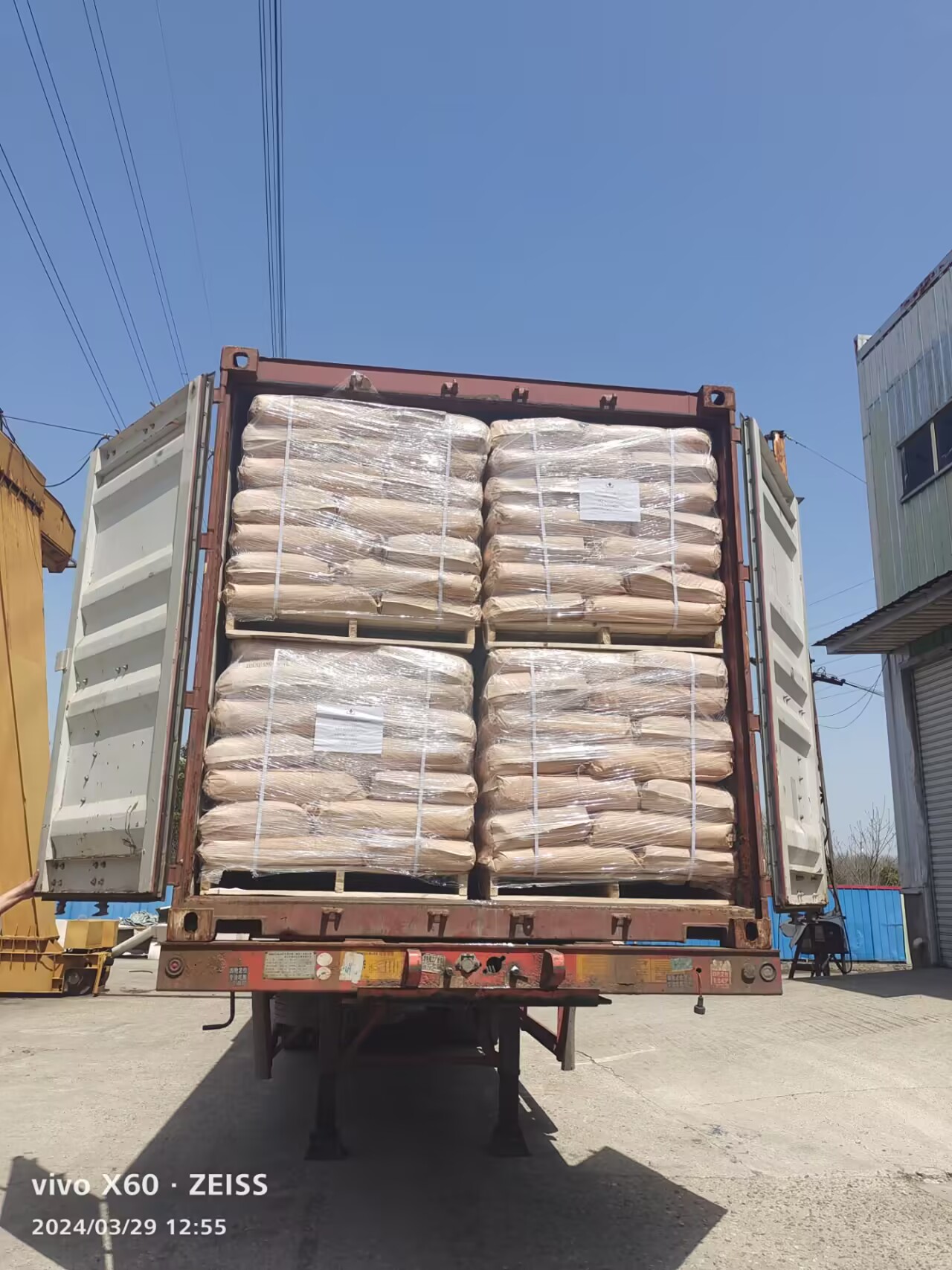
Ammonium polyphosphate has quietly moved from a niche flame retardant to a central component in modern passive fire protection. In intumescent coatings, its value lies not just in char formation but in how it interacts with carbonific and spumific agents under rapid heating. The acid released during decomposition catalyses esterification of the polyol, which then dehydrates into a dense carbonaceous foam. What often gets overlooked is the timing: a poorly matched APP grade will release acid too early or too late, leaving the steel substrate vulnerable during the critical first ten minutes of a fire.
In thermoplastics, the picture is different but equally demanding. Polyolefins like polypropylene need APP to compensate for their dripping and low char yield. Here the challenge shifts from fire performance to processing stability and moisture resistance. Standard APP grades can hydrolyse in humid conditions or degrade during extrusion, causing surface bloom and loss of mechanical properties. Coated or microencapsulated APP variants address this, but they also alter the rheology, demanding reformulation of the entire compound rather than a simple drop-in replacement.
What drives continued expansion is the tightening of smoke and toxicity regulations alongside traditional flammability standards. APP-based systems generally produce less visible smoke and fewer corrosive gases than halogenated alternatives, which matters in confined spaces like tunnels and data centres. However, the real frontier is not just meeting a UL 94 V-0 or EN 13501 rating; it is maintaining that performance after thermal ageing, UV exposure, and repeated humidity cycles. Formulators who treat APP as a single ingredient miss the nuance—the chain length, solubility, and surface treatment all shift the balance between fire resistance and long-term durability.
Agricultural Applications Where Polyphosphate Chemistry Boosts Nutrient Efficiency
Polyphosphate chemistry has quietly reshaped how liquid fertilizers behave in the field. Instead of delivering phosphorus as a single orthophosphate ion that quickly locks up with calcium or magnesium, polyphosphate chains keep phosphorus in a more mobile form. This means less of the applied nutrient gets tied up in insoluble compounds before roots can reach it.
In drip irrigation systems, the benefit becomes even more obvious. Polyphosphate-based products help prevent mineral scale and keep emitters clear, while the gradual breakdown of polyphosphate into plant-available orthophosphate provides a steady supply. Foliar applications also gain from the sequestering effect, allowing micronutrients like zinc or iron to stay soluble in the tank mix longer.
On high-pH or calcareous soils, where phosphorus efficiency often drops sharply, polyphosphate chemistry offers a practical workaround. The chain structure temporarily shields phosphorus from precipitation reactions, and as it hydrolyzes, it releases orthophosphate in micro-sites near the root zone. This can reduce the total phosphorus rate needed to achieve the same yield response, which matters for both input costs and environmental runoff.
Market Forces Driving China’s APP Production Capacity and Export Growth
China’s app production capacity has surged not by accident, but through a convergence of intense domestic competition and abundant engineering talent. With over a million developers graduating annually and lower labor costs compared to Western markets, local studios can prototype, test, and ship products at remarkable speed. This environment forces teams to iterate weekly, adapt to real-time user feedback, and adopt modular architectures that make localization for overseas audiences relatively painless.
Meanwhile, the saturation of China’s own app stores pushes even mid-sized developers toward foreign markets. Advertising costs at home have climbed while user acquisition becomes a zero-sum game, so export growth is less an ambition than a survival strategy. The rise of cross-border payment rails, cloud infrastructure from Alibaba and Tencent, and localized app store optimization tooling further reduces friction, letting a Shenzhen startup reach users in Brazil or Indonesia within days.
What truly differentiates this wave is the shift from copying Western models to exporting original social mechanics. Short-video commerce, live-stream tipping, and super-app mini-programs originated in Chinese app ecosystems and now find eager adoption abroad. This reversal of influence proves that the market forces shaping production capacity—speed, cost discipline, and a willingness to experiment—are precisely what global users are starting to demand.
Environmental Regulations Shaping Halogen-Free Additive Preferences
Regulatory pressure has quietly rewritten the specification sheets across electronics, construction, and wire and cable industries. The EU's Restriction of Hazardous Substances (RoHS) directive and REACH candidate list effectively blacklisted several brominated flame retardants, forcing materials engineers to look elsewhere. Meanwhile, the Waste Electrical and Electronic Equipment (WEEE) framework put recycling economics front and center, making halogen-rich plastics a liability rather than a cheap default. The result is a deepening reliance on phosphorus- and nitrogen-based synergists, which offer comparable fire performance without the corrosive smoke or dioxin formation that regulators now penalize.
What often gets lost in the compliance paperwork is how regional variation drives distinct formulation paths. Japan's JIS C 60664 standards push for low-smoke, low-toxicity cable jackets, nudging additive suppliers toward metal hydrate loadings despite their processing trade-offs. In North America, UL 94 ratings still hold sway, but voluntary ecolabels and green building codes like LEED have begun to reward halogen-free materials with faster approval cycles. The practical upshot is that additive packages now compete on total smoke opacity, acid gas release, and char integrity — not just on a UL V-0 pass/fail.
Behind the scenes, landfill bans and extended producer responsibility laws are quietly shaping preference curves. When a product's end-of-life route includes thermal recycling or chemical feedstock recovery, halogens become a contaminant that lowers the value of recovered oils and gases. That has led several polymer compounders to publish internal white papers showing improved mechanical property retention when switching to halogen-free intumescent systems. In other words, the regulatory tail now wags the additive dog, and formulators who ignore that shift risk being locked out of tenders that explicitly list halogen-free material clauses.
Emerging Trends in Surface Treatment and Synergistic Fire Retardant Systems
Surface treatment has moved well beyond simple coating adhesion. Techniques like atmospheric plasma activation, UV-grafting, and layer-by-layer self-assembly are enabling nanoscale control over fiber and polymer interfaces. These methods alter surface energy and roughness without affecting bulk mechanical properties, creating more receptive substrates for subsequent functional layers. The shift is toward continuous, low-temperature processes that integrate into existing manufacturing lines, reducing energy input and eliminating volatile organic compounds from traditional solvent-based pretreatments.
Synergistic fire retardant systems now often pair a conventional char-forming phosphorus compound with a catalytic metal oxide or a boron-based glass former. The key insight is that the combination outperforms the sum of its parts: one component delays ignition, while the other strengthens the intumescent char and suppresses smoke. Recent work focuses on tuning the particle size and surface chemistry of inorganic synergists—such as modified montmorillonite or layered double hydroxides—to achieve better dispersion in polymeric matrices, which directly affects both fire performance and mechanical integrity.
A particularly compelling direction is the convergence of these two fields. Functional surface treatments can anchor nanoscale fire retardants directly to fiber surfaces or film exteriors, creating a concentrated protective layer where combustion initiates. For example, plasma-deposited thin films can covalently bind phosphorus-containing monomers, while electrostatic assembly builds multi-layered barriers of polyelectrolytes and clay nanoplatelets. These hybrid systems reduce total additive loading, preserve bulk material properties, and open doors for recyclable or repairable flame-retardant textiles and composites.
FAQ
Chinese APP typically offers a wide range of polymerization degrees, from low-chain variants used in liquid fertilizers to high-chain crystalline forms for intumescent coatings. Domestic producers have also focused on reducing impurities and improving thermal stability, which allows the material to compete in demanding flame-retardant applications without relying on halogenated additives.
When exposed to heat, APP decomposes to release phosphoric acid and ammonia. The acid promotes char formation on the polymer surface, creating an insulating barrier that limits oxygen and heat transfer, while the released gases help dilute flammable volatiles.
Construction and automotive sectors are major consumers because of their need for fire-safe coatings, sealants, and engineering plastics. The push toward lightweight electric vehicles has also increased use in polypropylene and polyamide components where non-halogenated flame retardants are preferred.
Tightening restrictions on halogenated flame retardants and volatile organic compounds have pushed manufacturers to adopt phosphorus-based alternatives like APP. At the same time, stricter emissions standards for APP production itself have raised operating costs and led to consolidation among smaller producers.
Yes, lower-polymerization APP serves as a slow-release phosphorus and nitrogen fertilizer. Its gradual hydrolysis in soil provides nutrients over a longer period than conventional monoammonium phosphate, reducing runoff losses and improving nutrient use efficiency in fruit and vegetable cultivation.
Exporters must navigate varying product standards, especially around heavy metal limits and particle size distribution. Logistics costs for a relatively low-priced bulk chemical also squeeze margins, while competition from producers in Southeast Asia and the Middle East has intensified in recent years.
Prices have been tied closely to upstream phosphate rock and ammonia costs, with notable spikes during energy shortages and supply disruptions. However, expanded domestic capacity has generally kept long-term price growth moderate, except for high-purity grades used in specialized coatings.
Conclusion
China's ammonium polyphosphate has carved out a distinct position in flame retardant chemistry, largely due to its high phosphorus content, excellent thermal stability, and customizable particle size distribution. Unlike conventional additives, the material's ability to promote rapid char formation during combustion makes it especially effective in intumescent coatings, where a swollen insulating layer protects underlying substrates from heat and oxygen. This performance edge is not accidental; it results from years of refining polymerization conditions and applying surface treatments that improve compatibility with both water-based coatings and engineering thermoplastics. These technical advances feed directly into market dynamics, as domestic producers scale up capacity to meet overseas demand driven by tightening halogen restrictions in Europe and North America.
Beyond fire safety, the same polyphosphate chemistry underpins a growing agricultural niche, where controlled-release phosphate sources enhance nutrient uptake efficiency and reduce runoff losses. Meanwhile, the shift away from brominated and chlorinated additives has accelerated research into synergistic combinations—pairing APP with nitrogen-based blowing agents or nano-clays—to achieve UL 94 V-0 ratings at lower loadings. Surface modification techniques, such as silane coupling or microencapsulation, are also evolving to address moisture sensitivity and processing stability. Taken together, these developments suggest that China's APP sector will continue to expand not just through volume, but through differentiated, application-specific grades that respond to both regulatory pressure and performance demands.
Contact Us
Contact Person: Guohua Wang
Email: [email protected]
Tel/WhatsApp: 8613003442895
Website: https://www.xxflameretard.com